
About Coffee and Acid Reflux
Coffee is one of the world’s most popular drinks, but it can be problematic if you suffer from acid reflux. Caffeinated and decaffeinated varieties of the drink have been linked to a range of mild to serious gastrointestinal issues. It can even aggravate existing conditions for some people, such as peptic ulcers, GERD and gastritis. If you’re having stomach problems after drinking coffee, it’s best to consult a doctor before eliminating it from your diet entirely.
How Coffee Affects Digestion
Coffee is a stimulant, which means it can increase the levels of acids in the stomach. This acidity can increase the symptoms of acid reflux. Moreover, coffee is known to relax the lower oesophageal sphincter, a ring of muscle at the base of the oesophagus that helps to keep food and fluids in the stomach. If the sphincter is relaxed, these substances are more likely to come back up.
Potential Side Effects of Coffee
It is not just the acidity of coffee that can cause problems for people with acid reflux. Coffee is high in caffeine, which is a known stimulant and can cause the nervous system to become overactive, leading to higher levels of stress and anxiety for some people. It can also lead to other side effects such as insomnia, headaches and palpitations. In addition to this, coffee can also be a diuretic, meaning it can increase the production of urine, which can cause dehydration.
Alternatives to Coffee
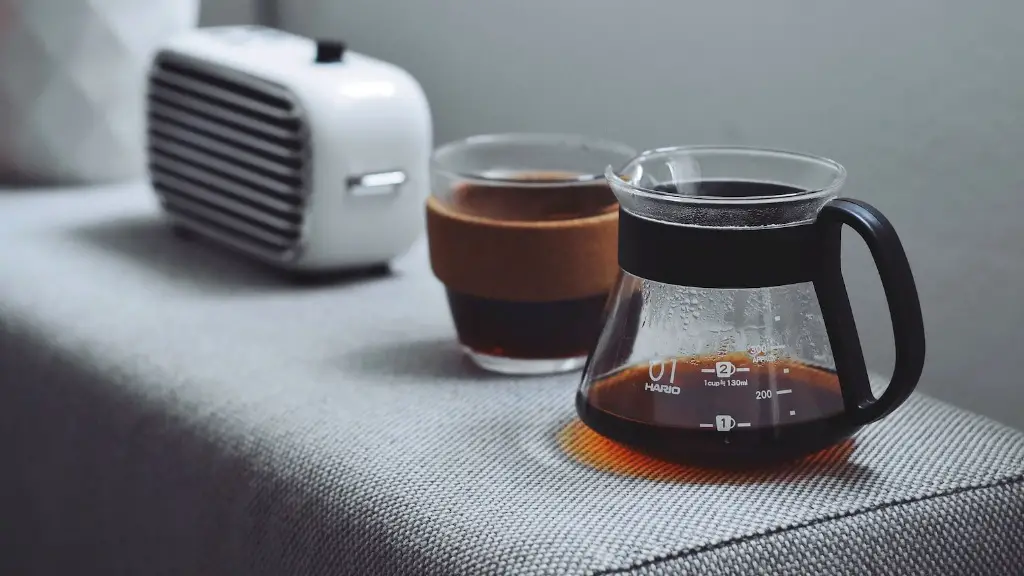
If you have found that coffee is causing you stomach problems, there are a variety of alternative drinks that you can try. Caffeine-free herbal teas, such as chamomile, can be a great way to get a soothing and relaxing drink without the risk of stomach irritation. If you’re looking for something with a bit more flavour, low-acid organic coffees are also available. These have been specially decaffeinated and are typically made from Arabica beans, which are naturally low in acidity.
Tips for Drinking Coffee with Acid Reflux
If you do want to continue to enjoy the taste of coffee, but you’re worried about the potential side effects of acid reflux, there are a few simple tips you can follow:
- Drink your coffee in moderation. Too much can increase the chances of experiencing acid reflux.
- Avoid adding artificial sweeteners and creamers, which can sometimes make the symptoms worse.
- Choose decaffeinated varieties to reduce the level of acid and caffeine in the drink.
- Opt for low-acid varieties, which are made with special Arabica beans.
- Drink plenty of water alongside your coffee. This will help to reduce the amount of acid in your stomach.
Substitute Option For When Can’t Drink Coffee Anymore
If you’re unable to drink coffee due to acid reflux, there are still plenty of substitutes you can use to get your caffeine hit. Herbal teas such as green tea and peppermint tea are caffeine free, but still provide the flavour and warmth of a hot drink. If you want your coffee hot, try low-acid coffees made from Arabica beans, or even black tea. Chocolate and fruit tea are also great caffeine-free options.
Herbal Supplements for Acid Reflux
If you are looking for an alternative to coffee, herbal supplements are a great option. Herbal supplements are made from natural plant-based ingredients that help to reduce the amount of acid in your body. These can include ginger, which is known to be soothing on the digestive system, and licorice root, which helps to soothe inflammation in the stomach. However, always speak to a doctor before taking herbal supplements to ensure they are suitable for you.
Insights and Analysis

If you’re suffering from acid reflux and have been drinking coffee, it may be worth reducing your consumption or trying low-acid varieties. Alternatively, you can try herbal alternatives, such as herbal teas or supplements, to reduce your acid reflux symptoms without having to miss out on your favourite drink. Always make sure to speak to your doctor before taking any herbal supplements, and remember to drink plenty of water throughout the day to stay hydrated.
Tackling the Social Stigma
For some people, giving up coffee might feel like giving up part of their identity and many might worry about what other people will think. Coffee has become so embedded in our social customs that giving up coffee often leads to a sense of isolation – it’s just not ‘cool’ to be the only one in our social group not drinking coffee anymore. But it is important to remember that we can’t always control what other people think and that it is more important to look after our health.
Make It Part Of A New Lifestyle
It can be helpful to start looking at this situation positively, as an opportunity to create a whole new lifestyle. This will take some time and require effort, but it can be done. With that said, here are some tips to make giving up coffee a positive experience:
- Focus on the positive aspects of this decision – it is a chance for you to explore other options, such as herbal teas, which can be just as enjoyable.
- Try to make this into a challenge or a journey. Set yourself achievable goals and talk to friends or family members about it.
- Make it social – instead of meeting up with friends to have coffee, have a tea party or an herbal tea tasting hike.
- Be confident in your decision – it takes bravery and strength to put your health first.
Embrace Your New Routine And Keep Your Mind Busy
Once you’ve established a new routine for yourself, you can start to look for new activities to help keep your mind busy. Why not try a new hobby, such as cooking or drawing, or look for a course that interests you. You could also try focusing on activities that make you feel relaxed, such as yoga and meditation. This will help to keep the mind busy and help you to stay positive and motivated.
Online Support Groups
It can be scary to make such a major lifestyle change, but you don’t have to do it alone. There are lots of online support groups available where you can talk to other people in a similar situation. This can be great for finding advice and tips and also for moral support.
Make Healthy Choices Everyday
Once you have made the transition to a coffee-free lifestyle, it is important to keep it up. Try to plan your meals and snacks in advance to help you make healthier choices each day. Try to avoid processed or sugary snacks and focus on fresh fruit and vegetables instead. Also, remember to stay hydrated by drinking plenty of water, as this will help to keep your body healthy and reduce acid reflux symptoms.
