
Introduction
Can we drink coffee during weight loss? While coffee has been enjoyed as a beverage for centuries, its potential impact on weight loss has been debated for many years. Coffee contains numerous stimulants and antioxidants that can both positively and negatively impact our health. As a result, it is essential to understand the potential risks and benefits of drinking coffee for weight loss before making any decisions. In this article, we will explore the role of coffee in weight loss and the potential implications for our health.
The Role of Coffee in Weight Loss
Coffee has long been touted as an effective weight loss aid. Studies have demonstrated that coffee may increase metabolic rate and calories burned during exercise, contributing to weight loss. Additionally, coffee can help to suppress appetite and make it easier to maintain energy levels during the day, while avoiding unhealthy snacks that may lead to weight gain. Along with other lifestyle factors such as a healthy diet and regular exercise, coffee can play a role in successful weight loss.
The Potential Risks of Drinking Coffee
Despite the potential benefits of coffee for weight loss, there are some potential risks that should be taken into consideration. Stimulants in coffee cause a temporary boost in energy levels; however, this can lead to increased anxiety, headaches, and insomnia. Coffee can also interfere with appetite hormones, potentially leading to overeating. Finally, high amounts of processed and sugary coffee drinks can add additional calories to the diet, contributing to weight gain rather than loss.
The Bottom Line
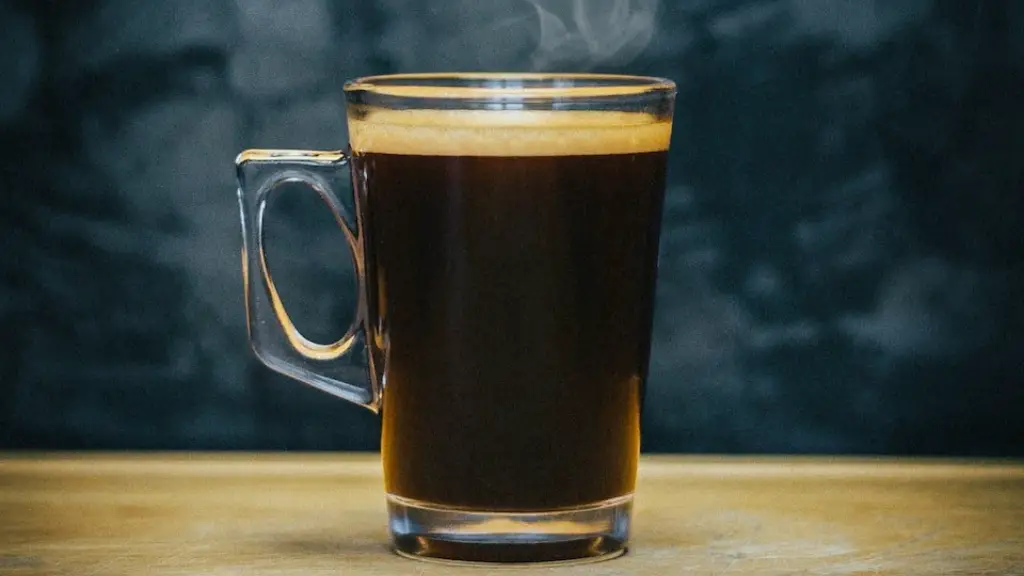
When considering whether we can drink coffee during weight loss, it is important to understand the potential risks and benefits associated with this beverage. While coffee can increase energy and help suppress appetite, it can also lead to disruptive side effects. Additionally, processed and sugary beverages can contribute to weight gain. As a result, it is important to discuss individual needs and health goals with a physician prior to incorporating coffee into a weight-loss program.
Coffee Intake and Nutrition
Along with considering the potential benefits and risks of drinking coffee for weight loss, it is also essential to consider optimal intake levels and nutrient sources. While light and black coffees can reduce calories in the diet, adding sugar, cream, and processed flavors can add hundreds of calories to a diet. Additionally, coffee can interfere with the absorption of important nutrients, including calcium and iron. As a result, it is important to consider nutrient and calorie intake when adding coffee to a weight-loss regimen.
Exercise and Coffee
Studies have also demonstrated that coffee can boost performance during exercise. Coffee can help to increase energy and reduce fatigue during physical activity, allowing for improved performance during exercise. However, it is important to consider individual tolerances and preferences prior to drinking coffee: too much caffeine can lead to nausea, headaches, and jitters, which can have negative effects on performance. Additionally, drinking coffee can cause an increase in stomach acid, leading to potential digestion issues. As a result, it is essential to determine individual needs prior to drinking coffee prior to an exercise regimen.
Coffee Intake in Context
Ultimately, coffee can play an important role in weight loss, but it is essential to consider individual needs and risk factors prior to drinking coffee. Rather than relying heavily on coffee for weight loss, it is important to prioritize lifestyle factors such as a healthy diet and regular exercise. Additionally, coffee should be incorporated into the diet in moderation, accounting for added calories and potential side effects. Only by understanding the role coffee plays in our overall health can we make the right decisions when it comes to coffee consumption and our weight-loss regimen.
Supplements and Nutrients

While coffee can play an important role in weight loss, there are also other nutrients and supplements that can help to promote healthy weight loss. Fish oil, magnesium, and compounds such as caffeine and green tea extract can help to boost metabolism and reduce body fat. Additionally, chromium supplements can help to regulate blood sugar and reduce cravings. It is important to discuss potential supplements with a physician prior to utilizing them in a weight-loss regimen.
Personal Habits and Self-Care
In addition to supplementing with specific nutrients, it is also important to consider other personal habits that can contribute to healthy weight loss. Developing healthy eating habits, such as removing processed and sugary foods from the diet and avoiding overeating, can have a huge impact on weight loss. Additionally, self-care and stress management are essential when considering long-term health outcomes. Activities such as journaling, yoga, and meditation can help to reduce stress and improve overall wellbeing.
Sleep and Exercise
Finally, it is important to consider the role of both sleep and exercise in promoting healthy weight loss. Studies have demonstrated that poor sleep can increase the risk of obesity, while lack of exercise can lead to weight gain. Developing a regular sleep/wake cycle and incorporating regular physical activity into the daily routine are essential components of successful weight loss. Working with a medical professional can help to customize plans to individual needs.
