
Overview of Caffeine Consumption and Fever
Coffee has a long history and is widely consumed around the world. It is an incredibly popular beverage and people drink it for its flavor, energy-boosting properties, for socializing, and for health benefits. Most people drink coffee without giving a lot of thought to it, but it’s important to stay informed about its effects and whether or not it’s safe to drink in certain situations. One such situation is when one has a fever.
Most of us have heard that coffee isn’t recommended while sick, but what specific types of illness or symptoms are effected? Is one allowed to drink coffee while they have a fever? It’s important to understand the effects of caffeine on fever and other illnesses to stay as healthy and safe as possible.
Effects of Caffeine on the Body
Caffeine is a central nervous system stimulant that increases alertness and attention. It is found in several foods and beverages, like coffee, tea, and energy drinks. Caffeine is quickly absorbed into the bloodstream and can slow down the body’s natural processes by overstimulating it. It can also raise cortisol levels, which can lead to increased cortisol production and blood sugar levels, as well as heightened stress levels.

Additionally, caffeine can also have an effect on the body’s immune system. Studies have indicated that caffeine can increase the risk of immunosuppression, which occurs when one’s body is unable to fight off infections. Caffeine can also affect the body’s ability to absorb and process vitamins and minerals.
Lastly, caffeine can have an effect on fever. Fever is caused when the body’s natural defenses against infection kick into high gear in order to fight off foreign agents. Therefore, it is thought that caffeine can interfere with the body’s ability to fight off infection in situations where it already has an elevated temperature.
Effects of Coffee on Fever
So, is it safe to drink coffee while one has a fever? The answer is not straightforward; it may be safe for some people, while for others the effects may be more serious. Generally speaking, coffee can worsen symptoms of fever by further raising one’s body temperature and increasing the intensity of the fever.
However, there is some debate as to whether coffee can actually help reduce the severity of the fever. It is important to note that coffee is known to be diuretic, meaning that it can cause dehydration, which can actually worsen the symptoms of a fever. Therefore, it is usually recommended to avoid coffee if one has a fever.
If You Must Drink Coffee with Fever

If one absolutely needs to drink coffee while they have a fever, it is best to drink it in moderation. High doses of caffeine can make the fever worse, and can make it harder to recover. It is also important to ensure that the coffee is not too hot; excessively hot liquids can contribute to dehydration and worsen the symptoms of fever.
It is also recommended to take other precautionary measures when drinking coffee when one has a fever. These include drinking plenty of fluids, such as water and juice, and getting plenty of rest. Additionally, it is important to consult with a doctor if symptoms become worse after drinking coffee.
Medical Advice
When it comes to drinking coffee while one has a fever, it is always best to consult with a medical professional. A doctor can assess the individual’s particular symptoms and provide advice on what type of fluids and amounts are best. A doctor can also help to determine if the caffeine is exacerbating or improving one’s symptoms.
When in doubt, it is best to avoid caffeine while one has a fever. While some amount of caffeine may not be harmful, too much may worsen symptoms, or even make it harder to recover. Drinking plenty of water, rest, and consulting with a doctor are all essential when trying to tackle fever.
Perspectives from Experts
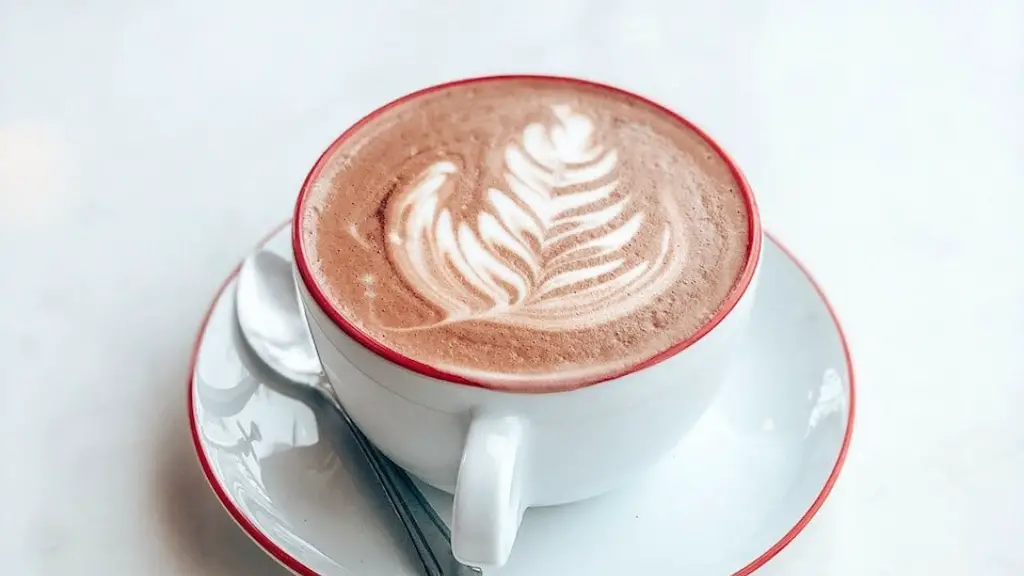
Gerald M. Cohen, MD, infectious disease specialist and director of the Philadelphia-based Infectious Disease Group of the Lehigh Valley, explains that even though caffeine does increase the heart rate and body temperature, the amount of coffee typically consumed is not enough to raise the body temperature. When drinking coffee with fever, one needs to consider the overall dehydration factor.
According to Dr. Cohen, “If you are dehydrated and drinking coffee, your body cannot properly regulate its temperature, and dehydration can prolong the sickness.” He adds that the consumption of coffee should be in moderation – one or two cups yielding no more than 250 milligrams of caffeine.
Dr. Ronenn Roubenoff, director of research at Tufts Medical Center in Boston, adds that dark roasted coffee, such as espresso, may in fact be beneficial when one has a mild fever as it has anti-inflammatory properties. However, he also mentions that dark roast can increase the risk of hypertension if drunk in large quantities.
Can Coffee Treat or Prevent Fever?
Although some experts may agree that coffee in moderation can be beneficial for mild fever, it is important to note that it does not actually treat or prevent the fever itself. Fever is a natural response of the body when it is fighting an infection, so treating it with anything other than appropriate medication is not recommended. Coffee should not be used to replace traditional fever treatments, like antibiotics, ibuprofen, or cooling medication.

Coffee may be able to provide some relief for mild fever, but it has not been proved to have any therapeutic benefits for fever, nor does it aid in a fever’s prevention or cure. It may be beneficial in moderation with mild fever, but it is always best to consult with a medical professional.
Other Considerations When Drinking Coffee with Fever
When drinking coffee while one has a fever, it is important to note that too much caffeine can have pronounced effects, like increasing one’s heart rate and body temperature. Additionally, caffeine can interfere with certain medications, such as antibiotics, so it is important to check with a doctor before consuming caffeine while taking medications.
Caffeine can also interact with other health conditions, such as diabetes, high blood pressure, anxiety, and insomnia. Therefore, it is important to discuss with a doctor if any of these conditions exist. It is also important to monitor the amount of caffeine consumed, as too much can worsen the underlying condition.
When choosing a beverage to help manage one’s fever, it is important to choose one that will not interfere with the body’s ability to fight off the infection. Water is usually the best option as it keeps the body hydrated and replenishes electrolytes, which can be depleted when suffering from a fever.
Finding The Right Balance

Drinking coffee while one has a fever can be tricky. It may be fine in moderation and with mild fever, but it is best to always consult with a medical professional on this matter. Coffee can be beneficial in terms of boosting energy, focus and alertness, but it should not be consumed in large amounts when one is feeling ill. Moreover, coffee should never be seen as a replacement for traditional treatments.
When in doubt, water is the best way to treat a fever as it replenishes essential electrolytes and hydration. It is also important to get plenty of rest, eat well and keep warm. Ultimately, understanding the effects of coffee can help one determine if it is the right beverage for them when feeling feverish.
