
Can we Drink Coffee While Fasting?
Consuming coffee while fasting may sound like a strange combination, considering that fasting is about abstaining from food and other beverages such as coffee. Decades ago, many scientists believed that consumption of food and drinks during fasting could “spoil” the benefits of fasting. But, over the years, countless studies and research has suggested that fasting does not negate the benefits of coffee.
Coffee contains caffeine, a stimulatory and potent ergogenic substance. Caffeine is found in a variety of beverages, from energy and soft drinks to coffee, cocoa and tea. Studies have shown that caffeine can help us stay alert and focused and it is even believed to boost our physical performance too.
When it comes to the benefits of coffee, we need to consider the compound chlorogenic acid (CGA). CGA is abundant in certain types of coffee beans and it is known to possess antioxidant properties. Furthermore, CGA has also been found to have some potential medicinal properties.

While coffee can be beneficial to our health, it can also have a negative impact if we consume too much of it. Therefore, it is important to remember to drink coffee in moderation and to be aware of how it can impact our blood sugar and insulin levels.
It is also important to note that although we can drink coffee while fasting, it is still best to avoid any drinks containing added sugars or sweeteners. Also, it is important to note that coffee does not provide any meaningful amount of calories. Therefore, it is best to refrain from adding cream and sugar to coffee while fasting.
In conclusion, consuming coffee during fasting can be beneficial and it can help to provide alertness and focus. However, it is important to remember to drink it in moderation and to avoid adding cream and sugar.
Factors To Consider
When deciding whether or not to drink coffee while fasting, there are some important factors we should keep in mind. Firstly, our overall health and lifestyle can play a role in determining if coffee is right for our personal body chemistry. Some of us may be more sensitive to coffee while others may not be. Therefore, if you are considering having coffee while fasting, it is important to consult a physician or a nutritionist who can recommend the best type and amount of coffee for your individual needs.
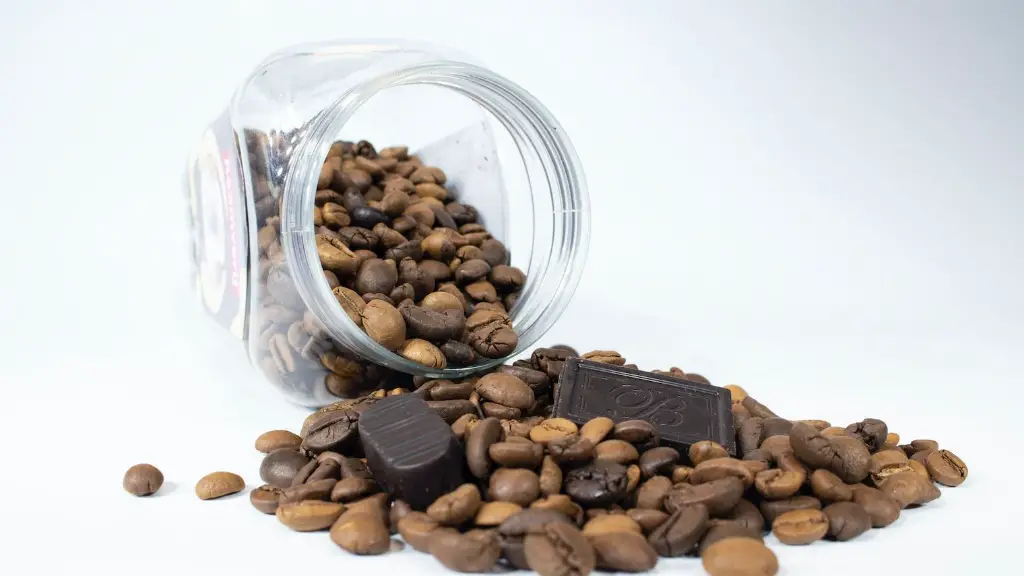
Secondly, how you consume coffee can be very important. In general, plain black coffee is the best option for drinking during fasting as it is calorie-free. Alternatively, you can also opt for unsweetened coffee beverages, with small amounts (1-2 tablespoons) of plant-based milk, such as almond or coconut milk. Adding a small amount of plant-based milk can help to enhance the taste of coffee without having a detrimental impact on your calorie intake.
Finally, the timing of when you drink coffee can also have an impact on your fasting results. Generally, it is best to drink coffee in the morning, as this can help to enhance your alertness and focus. Moreover, if you are going to drink coffee while fasting, it is recommended to have the last cup at least two to three hours before you break your fast.
Coffee And Intermittent Fasting
Intermittent fasting has become increasingly popular in recent years and is defined as an eating pattern which involves alternating periods of eating and fasting. This type of eating pattern can be immensely helpful for some people, as it may promote weight loss, reduce inflammation and improve overall health.
It is important to note, however, that consumption of coffee should not be the main focus of intermittent fasting. Indeed, intermittent fasting is more about the timing of particular meals and snacks, rather than just consuming coffee. In other words, it is not advisable to substitute regular meals with a cup of coffee in an effort to reduce caloric intake.
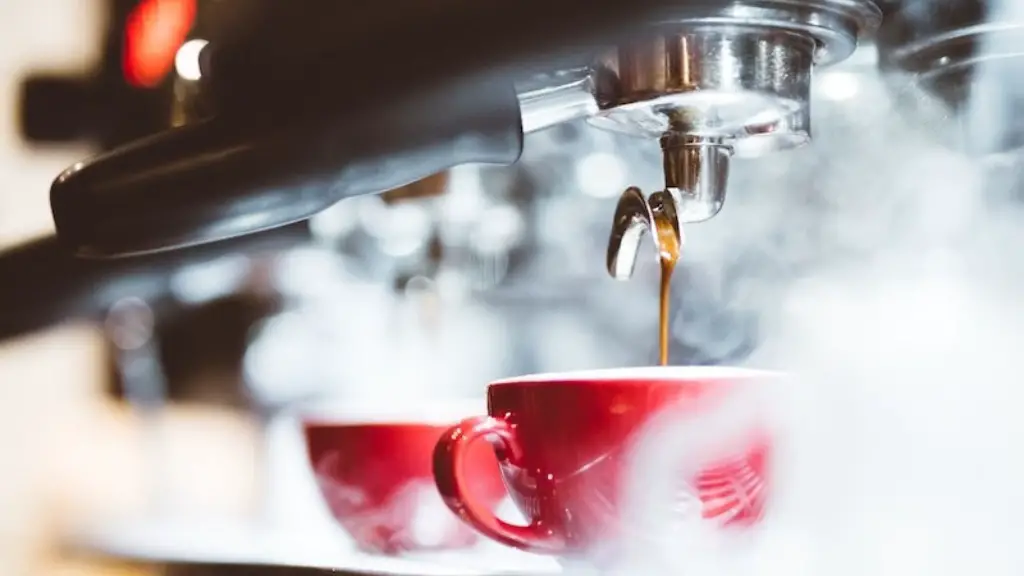
In addition, it is important to note that coffee is not recommended for everyone. For example, if you are pregnant, breastfeeding or have any medical concerns, it is advisable to talk with a doctor before consuming coffee during fasting. Moreover, it is important to note that consumption of caffeine can cause disruptions to sleep patterns, so it is recommended to limit caffeine consumption to the mornings and avoid drinking it in the evenings.
Overall Benefits Of Coffee
Overall, coffee can provide numerous health benefits, such as improved alertness and focus, enhanced physical performance, protection from diseases and antioxidants. Moreover, researchers have even suggested that coffee can reduce the risk of metabolic conditions, such as type II diabetes.
In addition, studies have also suggested that coffee can be beneficial when it comes to helping with weight loss. This is due to its thermogenic effects, which can aid with burning calories and increasing our metabolism. However, it is worth noting that these benefits tend to be short-term and coffee should not replace healthy eating habits and regular physical activity.
Furthermore, coffee is also believed to have some potential benefits when it comes to cognition and brain health. Caffeine has even been linked with improved memory and thinking skills. However, it is essential to keep in mind that too much caffeine can cause anxiety, restlessness and also lead to addiction in some people, so please keep an eye on how much you are consuming.
Possible Side Effects
It is also important to note that coffee can have some adverse side effects if it is consumed in large amounts. In particular, too much caffeine can lead to symptoms such as headaches, restlessness, irritability and anxiety. Moreover, caffeine can also cause other unpleasant side effects such as nausea, heart palpitations, digestive problems and dehydration.
Moreover, coffee can also interfere with certain medications and supplements. Therefore, it is strongly recommended to consult a doctor before drinking coffee while on any form of medication or supplements. Additionally, coffee can also have some negative interactions with certain nutrients and herbal remedies, so it is important to always keep an eye on how much caffeine we are consuming.
Bottom Line
In conclusion, while it is perfectly safe to consume coffee while fasting, it is important to avoid adding sugar or cream and to drink it in moderation. Moreover, it is best to have the last cup at least two to three hours before breaking your fast. Also, it is essential to consider our overall health and lifestyle before deciding to drink coffee while fasting and to consult a doctor or nutritionist if needed.
