
Can we drink coffee with an empty stomach?
Drinking coffee on an empty stomach may be a health risk for some people. However, for others, the benefits of drinking coffee can outweigh the risks. Those who enjoy drinking coffee may have some questions about drinking coffee on an empty stomach. Many people are unaware of the potential risks or benefits associated with drinking coffee on an empty stomach. In this article, we will discuss what happens when coffee is consumed on an empty stomach and the potential risks or benefits.
Experts agree that drinking coffee on an empty stomach can cause certain health issues. Some of these include increased heart rate, feeling jittery, difficulty concentrating, and stomach upset. In addition, drinking coffee with an empty stomach can deplete the body of essential minerals and vitamins. Drinking coffee on an empty stomach can also cause dehydration, so consuming other beverages in combination with coffee is recommended.
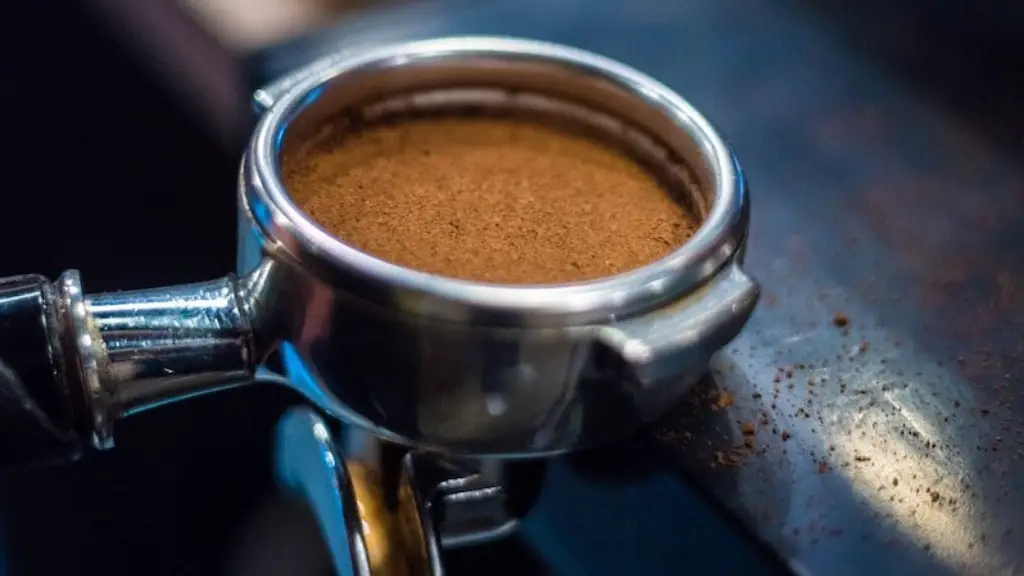
On the other hand, there are some benefits to drinking coffee on an empty stomach. It may provide an energy boost and improve focus. Coffee can help to suppress appetite, so for some people drinking coffee on an empty stomach can be helpful for weight management. Drinking coffee on an empty stomach can also help to reduce inflammation and may provide neuroprotective benefits.
When considering the risks and benefits associated with drinking coffee on an empty stomach, it is important to consider the individual. Everyone is different and some people may be more susceptible to the ill-effects of drinking coffee with an empty stomach. It is important for people to stay informed and consult with a doctor or nutritionist before drinking coffee on an empty stomach.
What Are The Alternatives?
Although drinking coffee with an empty stomach can have potential risks associated with it, many people still drink it in the morning. Instead of drinking coffee with an empty stomach, other options exist to still take advantage of its benefits. For example, drinking coffee with food or a snack can help reduce the health risks associated with drinking coffee on an empty stomach. Eating a light snack like an apple or crackers with coffee can slow down the absorption of caffeine and help to reduce any jitters or stomach upset.
In addition, people who are looking for an alternative to coffee have many options available. Some of these include matcha tea, chai tea, and herbal teas. Matcha tea has been shown to provide some neurological benefits as well as provide an energy boost. Chai tea can provide a soothing and calming effect. Herbal teas such as chamomile and passionflower are also good for calming the body and reducing stress.

It is important to consider the individual and the personal tolerance for different beverages. Everyone is different and some people may find coffee more beneficial than others. If a person is looking for an alternative to coffee, they should consider the alternatives mentioned above.
Coffee And Mental Health:
In addition to its physical benefits, coffee may also have positive effects on mental health. Coffee has been shown to improve mood, reduce stress, and provide an energy boost. All of these effects can be helpful for people who are feeling overwhelmed or fatigued. In addition, coffee can also help to improve cognitive performance and alertness. It can help with focusing and sustaining attention and may even help to improve memory.
Coffee is also known to be a social stimulant, which can be useful for people who suffer from anxiety or depression. It can help people to interact with others more easily and feel more socially connected. Social interactions can help to reduce feelings of isolation and loneliness, which are common among those with mental health issues. For some people, coffee can also help to reduce depressive symptoms.
Coffee can be beneficial for mental health, but it is important to consider the individual and their personal health history. Coffee can have different effects on different people, so it is important to be aware of any potential health risks associated with drinking coffee on an empty stomach. It is also important to understand the individual’s tolerance for caffeine since some people may be more sensitive to its effects. For those who are interested in using coffee for its mental health benefits, it is best to talk to a healthcare professional first.
Caffeine Intake:

In addition to considering the risks and benefits associated with drinking coffee on an empty stomach, it is important to consider the amount of caffeine consumed. Too much caffeine can lead to anxiety, restlessness, and irritability. Caffeine is also a diuretic, meaning it can cause dehydration. It is important to stay hydrated while drinking coffee and make sure to consume it in moderation to reduce the risk of any potential side-effects.
The American Heart Association recommends that adults consume no more than 400 mg of caffeine per day. Adults should also limit their intake of caffeine if they are pregnant, breastfeeding, or planning a pregnancy. It is important to talk to a healthcare professional before making any changes to caffeine intake.
In summary, drinking coffee with an empty stomach can have potential risks associated with it. However, for some people, the benefits may outweigh the risks. It is important to stay informed and consider the individual before making any decisions about drinking coffee on an empty stomach. Additionally, it is important to monitor caffeine intake and be aware of any potential risks associated with drinking too much caffeine.
Rehydrate When Drinking Coffee On An Empty Stomach
Coffee can be dehydrating, so it is important for people to make sure to rehydrate when drinking coffee on an empty stomach. Drinking water in combination with coffee is advised, as well as drinking other beverages such as herbal teas, which can help to restore electrolytes and prevent dehydration.

In addition to rehydrating when drinking coffee on an empty stomach, it is important to eat a nourishing breakfast. Eating a nutritious breakfast after drinking coffee can help to reduce the potential risks associated with drinking coffee on an empty stomach. Eating breakfast can also help to prevent overeating later in the day.
It is also important to consider moderation when drinking coffee on an empty stomach. Drinking too much coffee can lead to side-effects such as anxiety and increased heart rate. It is important for people to monitor the amount of caffeine they are consuming and stay mindful of any potential risks.
Commonly Asked Questions
Still have some questions about drinking coffee on an empty stomach and the associated risks or benefits? Below are some commonly asked questions about drinking coffee on an empty stomach and the answers.
Q: Can Drinking Coffee On An Empty Stomach Cause Stomach Ulcers?
A: While coffee is not a direct cause of stomach ulcers, it can irritate existing ulcers and increase acid production in the stomach, which can make ulcers worse. It is important for people with existing ulcers to be mindful of the potential risks of drinking coffee on an empty stomach.

Q: Is Drinking Coffee On An Empty Stomach Unhealthy?
A: For some people, drinking coffee with an empty stomach can cause irritability, stomach upset, and difficulty concentrating. Additionally, coffee can deplete the body of essential minerals and vitamins. It is important for people to stay informed and consider their individual needs before drinking coffee on an empty stomach.
Q: Will Drinking Coffee On An Empty Stomach Wake Me Up?
A: For some people, drinking coffee on an empty stomach can provide an energy boost and increase alertness. However, it is important to stay mindful of individual tolerance for caffeine and any potential risks associated with drinking coffee on an empty stomach.
Q: What Are Some Alternatives To Drinking Coffee On An Empty Stomach?
A: Instead of drinking coffee with an empty stomach, people can drink coffee with food or a snack, or try some alternatives such as matcha tea, chai tea, or herbal teas. Snapping an apple or some crackers when drinking coffee can also help to reduce the potential risks associated with drinking coffee on an empty stomach.
