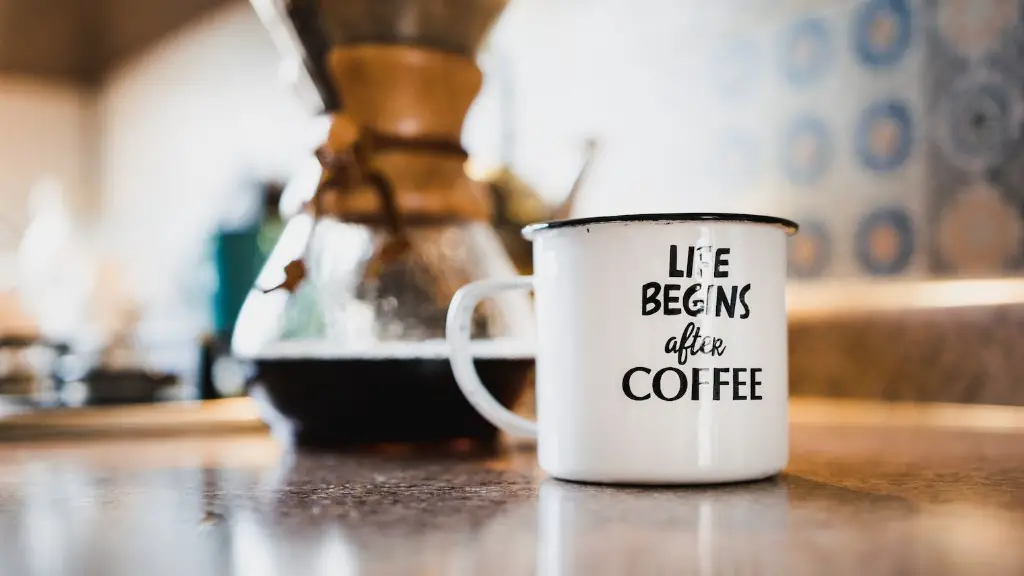
Brewed coffee is enjoyed by millions of people all over the world, but what if you want to save yourself the preparation of having to brew another cup the next morning, by taking your brewed coffee from the night before and drinking it again? Is it safe to do so? Can you drink brewed coffee the next day?
The answer is generally yes, as long as you keep certain things in mind. The first, and most important, is that if you are going to drink refrigerator-stored coffee, you should drink it within two days and no more than three days. For brewed coffee that is stored on the counter, the safety decreases over time, so the revision should be made to no more than 1 day.
Despite the general acceptance of these time frames, some experts have expressed that time frame of only 1 day is potentially too short, and could be unreliable. For example, one group of experts advocate that it can be safe to consume brewed coffee that is up to three days old. This is due to the fact that the presence of oxygen causes bacteria to grow within the container – but this growth rate is much slower in a cold environment than it is at room temperature.
Another aspect to consider is that the flavor of brewed coffee can become quite bitter if it is not consumed within the two-day window, making it an unpleasant experience. This is especially true if you didn’t manage to store the coffee in an airtight container, as the oxygen levels in the beverage will be higher, speeding up the souring process.
The solution to this is to not just make coffee for one day but to make enough for two days – this way you can save some for later without having to compromise on flavor. If you do decide to refrigerate the coffee, be sure to use airtight containers since this will preserve the coffee’s flavor and prevent the coffee flavor from being tainted by the odors of any other food you have stored in your refrigerator.
You should also note that while coffee may be safe to drink, it may not taste the same when reheated. The flavor may be different, making it not worth drinking if you are an avid coffee lover that values every sip. The best way to enjoy the cup of coffee is when it is first brewed, so it is best to only make what you need.
Effects of Oxygen on Coffee
Coffee, especially long-brewed coffee, is particularly prone to oxidation, which can lead to a decrease in flavor and aroma over time. You can slow this process by storing your coffee in an airtight container — such as a Nespresso capsule or a thermos — and also by reducing the exposure of air to the coffee grounds as much as possible.
One way that you can reduce the exposure of your brewed coffee to oxygen is by using a vacuum-sealed canister, which can help preserve the flavor and aroma of the coffee by continually removing the oxygen from the container. Additionally, you can purchase oxygen absorbers, which are specifically designed to absorb the oxygen from the container and prevent it from reacting with the coffee.
No matter what sort of container you use, the best way to ensure the flavor of your coffee will not decrease significantly is to drink it as soon as possible after it is brewed. Keeping this in mind, it is best to brew your coffee every day to achieve optimum taste.
Effects of Reheating on Coffee
If you do choose to reheat brewed coffee, however, you should be aware of the potential health effects. Reheating coffee can bring about an increase in the risk of food poisoning, due to the growth of harmful bacteria. It can also increase the acidity of the beverage, which could potentially lead to gastrointestinal upsets or heartburn.
Furthermore, if the coffee is reheated to boiling point, this can further increase the risk of potential health issues, as the heat can damage the beneficial antioxidants found in the beverage. Therefore, it is best to consume leftover coffee cold or at room temperature, as this will help keep it safe to drink.
Best Practices for Leftover Coffee
In conclusion, while it is generally safe to drink coffee the next day, it is important to take into consideration the various factors mentioned above in order to make sure the coffee is safe to consume. To get the most out of your coffee and avoid potential health issues, the best option is to only make enough coffee for what you need and ensure that it is stored correctly.
It is also a good idea to invest in an airtight container that is able to keep your coffee fresh and at the right temperature until you are able to drink it. Additionally, if you do chose to reheat the coffee, make sure to never heat it up to boiling point, as this could be detrimental to your health.
Conclusion
When it comes to drinking leftover brewed coffee the next day, the most important thing to keep in mind is safety. Although it is generally safe to drink leftover coffee, there are still some important factors to consider when doing so. It is important to store your coffee in airtight containers, drink it within two days, ensure that it does not come into contact with heat or oxygen, and never reheat it to boiling point.
