
The question of whether or not you can drink coffee after a wisdom tooth extraction can be a tricky one, and many people would like to know the answer. For the most part, the answer is yes, though there are some very important considerations that you must keep in mind before indulging in that steaming cup of java.
After extracting a tooth, bleeding is likely to occur. While this isn’t always a major issue for most people, it can be a potential issue for those who drink coffee. Coffee can act as a stimulant to the area around the extraction site, causing the bleeding to increase. This isn’t necessarily a common occurrence, however, and it is important to note that many people have successfully and safely consumed coffee after a wisdom tooth extraction.
Dr. Mark Wu, an Oral Surgeon and Implantologist, explains it well: “The most relevant factor to consider when drinking coffee after a wisdom tooth extraction is to make sure that the area around the extraction site has stopped bleeding. Ahigh concentration of caffeine can act as a stimulant, making the area bleed more. This is a potential issue for those who drink coffee.”
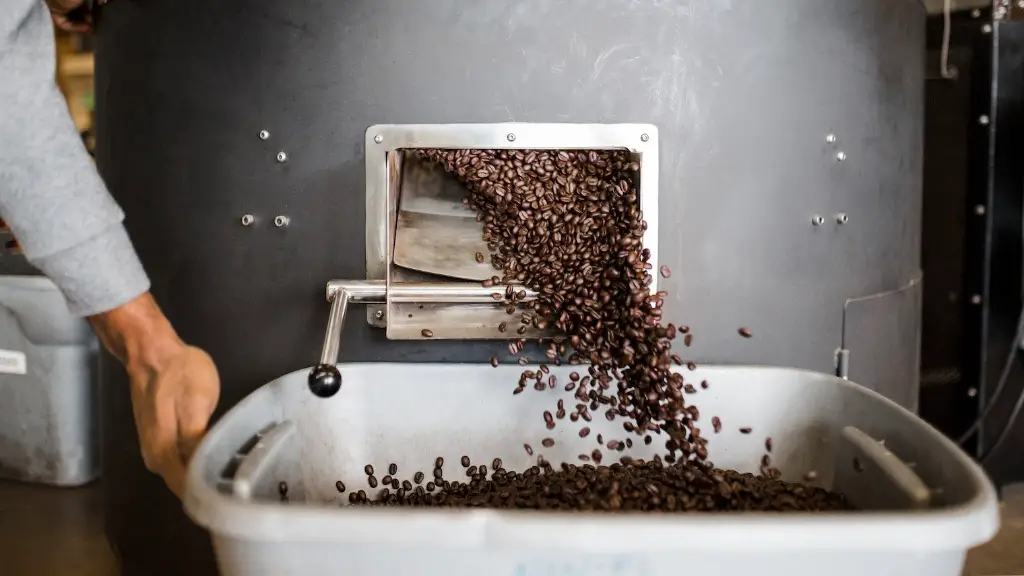
The thing to remember when dealing with coffee consumption after a wisdom tooth extraction is to keep it to a minimum. If you’re looking to have a cup of coffee or two, why not opt for a decaf variety? The fact of the matter is that even if you do decide to have a full-strength cup, it should not interfere with the healing process of your wound—you’ll just probably have a bit of extra bleeding.
It is important to note that drinking coffee is not the only factor to consider when dealing with a wisdom tooth extraction. People should also consider their daily activities, as certain activities can also have a stimulatory effect on the area around the extraction site —especially those activities involving pressure and movement. For example, heavy physical activity, such as cleaning or running, should be avoided for a few days after the extraction.
If you’ve undergone a wisdom tooth extraction without complications, it is completely safe to drink coffee in moderate amounts. Doing so will not interfere with the healing process. However, if there are any complications, it is best to consult a dentist or medical professional before partaking in any coffee consumption.
Effects of Coffee on Dental Implants
If you have recently undergone a wisdom tooth extraction and have decided to get dental implants, the effects drinking coffee can have on them must also be taken into account. Many people worry that the caffeine in coffee can cause the implants to loosen or become loose over time, however according to Dr. Mark Wu, this is not the case.

He asserts that as long as the implant is placed properly and taken care of, drinking coffee will not have any effect on the implant’s stability at all. In fact, he even goes as far as to say that drinking coffee can actually be beneficial in some cases, as it can help to strengthen the bone around the implant.
It is still important to be aware, however, that drinking coffee in excess can lead to a period of increased sensitivity around the implant site. The caffeine in coffee can, in large amounts, initially stimulate the area around the implant and cause it to become sensitive. However, generally speaking, the side-effects of drinking coffee after a wisdom tooth extraction or implant placement are very minor.
Caffeine Dependency After Wisdom Tooth Extraction
It is quite common to become somewhat dependent on caffeine after a wisdom tooth extraction, due to the fact that it temporarily relieves the tension in the jaw muscles, making it easier to chew and swallow. As this is a natural reaction in the body, it is important not to overdo it and limit your consumption of coffee accordingly.
Dr. Mark Wu adds: “It is normal for the body to crave more caffeine during the healing process, but it is important to be moderate and drink coffee in moderation. Too much caffeine can lead to an increase in inflammation and sensitivity, so it is best to avoid drinking more than two cups of coffee a day.”

In addition to this, it is also important to note that the effects of caffeine can be intensified if consumed in too large amounts. This is due to the fact that caffeine is a stimulant, and too much of it can lead to increased bleeding and tension in the jaw area, both of which can hinder the healing process.
What Types of Coffee Can I Drink After Wisdom Tooth Extraction
If you have undergone a wisdom tooth extraction and are looking to have coffee, it is important to know that not all coffee is created equal. For example, dark roast coffees are far more acidic than light roast coffees, and therefore can cause more irritation and inflammation to the extraction site. Therefore, it is best to opt for a light roast coffee if possible.
Additionally, for those looking for some variety in their coffee, decaf coffees and herbal coffees are also great options, as they are not as acidic as regular coffee and contain much less caffeine. These two varieties of coffee do not have the same stimulatory effects on the extraction site, and thus can be consumed in greater amounts.
Consequences of Drinking Too Much Coffee After Wisdom Tooth Extraction
As previously mentioned, drinking too much coffee after a wisdom tooth extraction can potentially lead to some unfavorable effects. Some of these effects include increased bleeding, inflammation, and tension in the extraction site.

In addition, drinking too much coffee can also lead to an increase in tooth and gum sensitivity. This is due to the fact that caffeine depletes the protective layer of enamel on the teeth, leaving the vulnerable to acids and other irritants.
Furthermore, an overdose of caffeine can also increase the risk of dry socket. Dry socket is a condition in which the wound from a tooth extraction does not heal properly. This can lead to more serious complications and may require medical attention.
Alternatives to Coffee After Wisdom Tooth Extraction
If you’re looking for a more refreshing alternative to coffee after a wisdom tooth extraction, there are several options available to you. For instance, hot teas are a great alternative, as they contain considerably less caffeine than coffee and do not have the same acidic properties.
In addition, certain herbal teas have been known to have a stimulating effect on the body and can help to reduce inflammation and pain in the extraction site. For those looking for caffeine-free options, fruit juices and smoothies are also great options that contain many of the same nutrients and minerals as coffee, but without any of the drawbacks.
Summary and Conclusion
In conclusion, drinking coffee after a wisdom tooth extraction is not an issue if done in moderation. However, it is important to be aware of the potential side-effects of drinking too much coffee after a wisdom tooth extraction, such as increased bleeding, inflammation, and tension, as well as dry socket. Additionally, if you are looking for alternatives to coffee after a wisdom tooth extraction, there are a variety of options available—such as hot teas, fruit juices, and smoothies.
