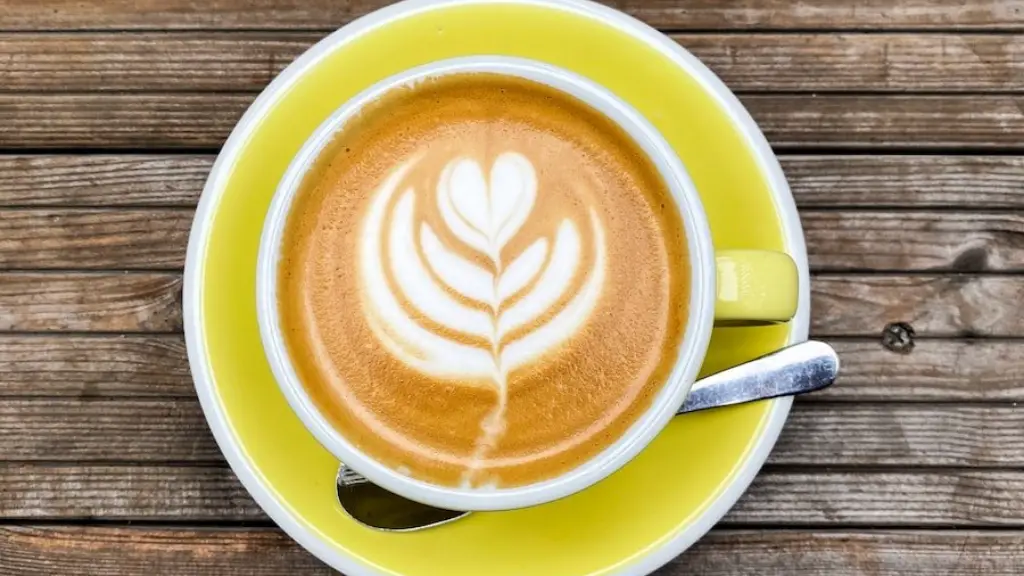
Coffee consumption is a staple of daily life. Many people drink coffee daily and even consider it as an important part of their routine. But can you drink coffee after eating? This is a common question that many people have.
When it comes to drinking coffee after eating, experts disagree. Some think that it is fine to do so and others think that it is better to avoid it. It all depends on personal preference and individual gastroenterology.
When you drink coffee, the acid in the drink can upset what is known as the ‘gastric pH’ in your stomach. This means that if you drink coffee immediately after a meal, it could interfere with the digestion of your food. In other words, it can slow down or inhibit digestion.
Research has also shown that coffee consumption can reduce the absorption of certain minerals, vitamins and other important nutrients. This is especially true if you have a diet that consists mostly of processed foods. So if you drink coffee right after eating, it can reduce the amount of nutrients being absorbed by your body.
However, a study published in the Journal of the American Dietetic Association found that coffee may actually help with digestion. The study showed that drinking coffee after eating improves the flow of bile acids in the intestine, which helps to break down food more efficiently. This could potentially help you to absorb more nutrients from your food.
Ultimately, the choice of whether to drink coffee after eating is yours. It is important to listen to your body and see what works best for you. There is no one-size-fits-all approach and everyone is different. If you feel discomfort after drinking coffee after eating, then it is best to avoid it.
Nutritional Profile of Coffee
Besides the fact that coffee can help or hinder digestion, it is important to know its nutritional profile. Many people don’t consider coffee as a food item, but it is actually a plant-based beverage that can provide nutrition to the body. Coffee contains antioxidants, micronutrients and other bioactive compounds that are beneficial to the body.

It is important to note that most of the nutrition found in coffee comes from the roasting process. Darker roasts have higher concentrations of beneficial compounds due to their longer exposure to heat. It is also important to note that not all coffee is created equal. Coffees that are certified organic and grown in a sustainable manner are likely to contain higher levels of nutrition than non-organic coffees.
It is important to remember that although coffee can provide some nutrition, it is not meant to be consumed as a meal replacement. Too much coffee can cause adverse effects such as headaches and jitteriness. It is best to enjoy coffee occasionally and to use other natural sources of energy such as whole grains and protein.
Health Benefits of Coffee
Coffee is well known for its energizing effects, but it also provides other health benefits. Studies have shown that regular coffee consumption can reduce the risk of certain diseases such as diabetes and Parkinson’s disease. It can also help to reduce inflammation and improve cognitive function.
In addition to these health benefits, coffee can also have a positive effect on mood. Studies have found that people who drink coffee on a regular basis are less likely to experience depression and anxiety. This is thought to be due to the actions of caffeine on the brain, which can help to alleviate negative thoughts and feelings.

Coffee has also been found to have a beneficial effect on the heart. A recent study found that drinking two or three cups of coffee per day is associated with a lower risk of mortality from heart disease. This is likely due to the anti-inflammatory and antioxidant effects of caffeine.
Side Effects of Drinking Coffee
Although coffee has many benefits, it is important to be aware of its potential side effects. For example, drinking too much coffee can lead to insomnia, headaches, stomach upset and dehydration. In addition, caffeine can cause irregular heartbeats and increased anxiety.
In some cases, people may be more sensitive to the effects of caffeine. If this is the case, they should limit their consumption and even avoid it altogether. Pregnant women and people with certain medical conditions should talk to their doctor before drinking coffee.
Tips for Drinking Coffee
The best way to enjoy coffee is to consume it mindfully. This means paying attention to how your body reacts to the coffee, and avoiding drinking it in excess. Some simple tips for drinking coffee include:
- Use organic and sustainably sourced coffee
- Only drink coffee when you need an extra energy boost
- Drink coffee with cream and sugar only in moderation
- Avoid drinking coffee after meals
- Drink coffee in the afternoon or early evening
- Opt for lighter roasts, as darker roasts may have higher levels of acidity
Post Meal Alternatives to Coffee

If you don’t want to drink coffee after eating, there are still plenty of options to get your energy boost. Some alternatives to coffee include herbal tea, green tea, yerba mate, matcha tea and even just plain water.
Herbal teas offer an energizing effect, but without the jitters which are associated with caffeine. Green tea also contains caffeine, but less than coffee and it provides other benefits such as antioxidants, which can help to reduce inflammation and improve overall health.
Yerba mate is another great alternative to coffee. This tea is made from the leaves of a South American holly tree and is high in antioxidants. It also contains vitamins and minerals, which are important for overall health.
Matcha tea is another option. This tea is made from ground green tea leaves, and it contains an abundance of antioxidants and compounds that are beneficial to the body. It has a rich flavor and can be a great way to get your energy boost without the side effects of caffeine.
Conclusion

In conclusion, drinking coffee after eating can potentially reduce the absorption of nutrients, and can also interfere with the digestion of your food. However, this may vary from person to person. It is important to pay attention to how your body reacts and adjust the amount of coffee that you drink accordingly.
If you are looking for alternatives to coffee after meals, then there are plenty of options. Herbal teas, green tea, yerba mate, matcha tea and even water can provide energy and other benefits to the body. Ultimately, it is up to you to find out what works best for you.
