
Coffee is a widely consumed beverage in many countries. It’s also a popular choice among those who have undergone gastric sleeve surgery. However, it’s important to know if you can drink coffee after the procedure and what types of coffee would be the safest to consume.
Gastric sleeve surgery, also known as sleeve gastrectomy, is a surgical procedure that reduces the size of your stomach by up to 85%. This helps reduce food intake and promote weight loss. After surgery, your body needs time to adjust and heal. Your diet will need to be modified drastically, including limiting or avoiding certain foods and drinks. Coffee may be one of these beverages that should be avoided or limited in order to promote healing and reduce discomfort.
Disadvantages of Drinking Coffee after Gastric Sleeve
Drinking coffee after gastric sleeve can be detrimental to your health. Caffeine has been known to increase the risk of acid reflux, an already common symptom among those who have undergone a gastric sleeve procedure. It can also lead to excessive hunger, an increased risk for dehydration and possible stalling in weight loss progress. Additionally, drinking coffee too soon after surgery can cause nausea and vomiting, which could interfere with proper healing and recovery. Therefore it is best to avoid or limit consumption of coffee post-surgery, at least until approval from a medical professional is obtained.
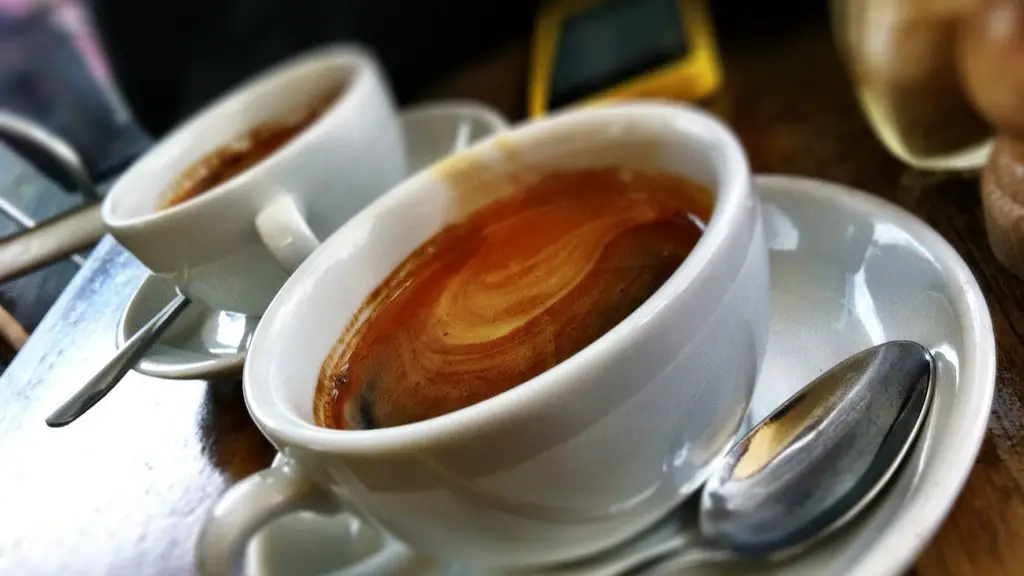
It is important to note that not all coffee drinks are created equal. A cup of black coffee contains significantly fewer calories than a specialty mocha frappuccino, for example. As with any dietary changes post-surgery, it’s best to talk to your doctor beforehand about which beverages are safe and suitable for your current situation.
Types of Coffee to Drink After Gastric Sleeve
Yes, you can drink coffee after gastric sleeve surgery. However, it is important to note that there are certain types of coffee that you should avoid and others that are best for your health. Generally, it is recommended to opt for low-acid coffee, as this type of coffee does not aggravate the stomach. Additionally, you should avoid caffeinated beverages, as they can cause dehydration and may lead to uncomfortable side effects such as headaches and nausea. Instead, opt for decaffeinated varieties or those containing natural sweeteners such as stevia or monk fruit. If you are looking for something a bit more flavorful, try adding unsweetened creamers or plant-based milks to your coffee. Adding a touch of cinnamon is a great way to add flavor without adding extra calories.
For those who prefer iced coffee drinks, try making cold brew at home. Cold brew has less acidity than regular brewed hot coffee and can be kept in the refrigerator for up to two weeks. You can also make smoothies using cold brew and plant-based milks for a creamy beverage with all the flavor of iced coffee without any added sugar or calories.
Finally, try experimenting with different types of tea. Teas such as green tea and chamomile have many health benefits and can make a tasty alternative when you’re looking for something different than traditional coffee drinks.
Effects of Caffeine on the Gastric Sleeve
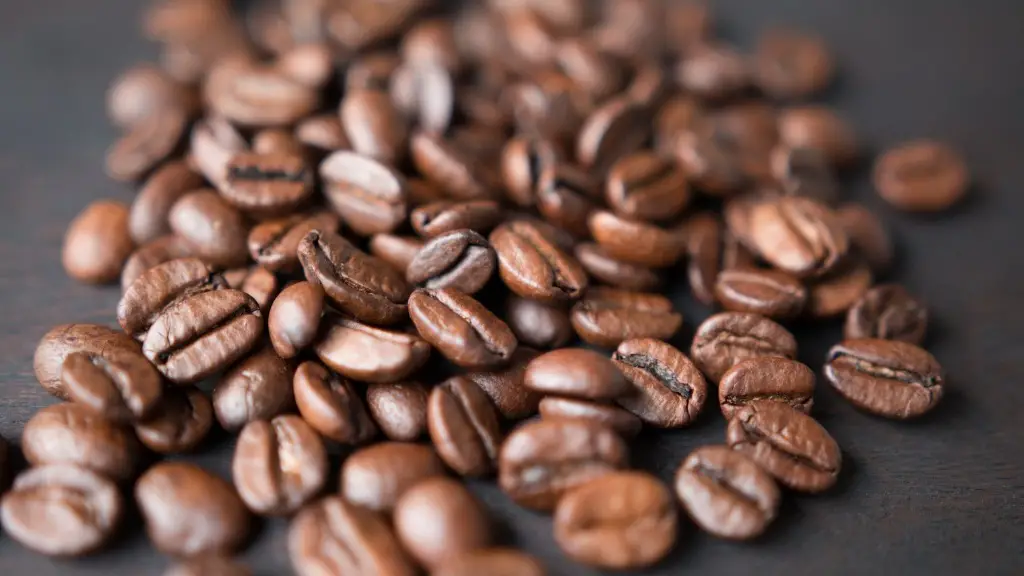
Caffeine is a popular stimulant that is found in many beverages, including coffee, tea and energy drinks. After undergoing gastric sleeve surgery, it is important to understand the effects of caffeine on the body and how it can impact your recovery. While moderate caffeine consumption may be safe for some people after gastric sleeve, excessive amounts or overconsumption can lead to uncomfortable side effects such as bloating and stomach irritation. It is recommended that you consult with your doctor or nutritionist before resuming your regular coffee-drinking habits.
Caffeine stimulates the stomach lining, which can lead to increased acid production. This can cause discomfort for those who have just undergone gastric sleeve surgery. The body takes time to adjust to post-surgery changes, so it’s best to wait until you feel comfortable before reintroducing caffeine into your diet.
In addition, consuming too much caffeine can interfere with nutrient absorption and affect your weight loss goals. Caffeine is a diuretic, which means it increases urination and fluid loss in the body. This can lead to dehydration and electrolyte imbalances if not balanced with proper hydration.
If you are looking to continue drinking coffee after gastric sleeve surgery, it is important that you monitor your intake closely. Start slowly by drinking smaller amounts of decaffeinated or low-caffeinated beverages such as green tea or herbal tea. Also consider avoiding sugary energy drinks altogether as these are not ideal for anyone looking to maintain a healthy lifestyle after bariatric surgery.

Overall, moderate consumption of caffeinated beverages may be safe for some people after gastric sleeve surgery but should always be done so under the guidance of a healthcare professional. Pay attention to how your body responds and take it easy when introducing caffeine back into your diet!
Tips for Drinking Coffee After Gastric Sleeve
It is possible to enjoy coffee after a gastric sleeve surgery, however, it is important to make sure that you are doing so in a way that is healthy and beneficial. For example, try to avoid adding too much sugar or unhealthy creamers to your cup of coffee. Additionally, opt for decaffeinated coffee when possible, as caffeine can lead to dehydration and other issues. You should also remember to drink plenty of water throughout the day, as this will help offset the effects of caffeine. The amount of coffee you can drink will depend on your individual tolerance level so be sure to speak with your doctor if you have any questions or concerns. Finally, always listen to your body and if you experience any discomfort after drinking coffee then stop consuming it.
Overall, it is possible to drink coffee after a gastric sleeve surgery but it is important to do so in moderation and with caution. Be sure that you are adequately hydrated and avoid adding too much sugar or creamers. Additionally, speak with your doctor if you have any questions or concerns about drinking coffee. With these tips in mind, you can continue enjoying your favorite cup of coffee in a safe and healthy way.
Can You Drink Coffee After Gastric Sleeve?
It is generally safe to consume coffee after undergoing gastric sleeve surgery. However, it is important to drink it in moderation. For most people, no more than two cups of caffeinated coffee per day is recommended. It is also important to remember that coffee can contribute to dehydration, so it is important to stay hydrated while drinking coffee. Additionally, drinking coffee on an empty stomach can cause stomach upset, so try having some food with your morning cup of joe.
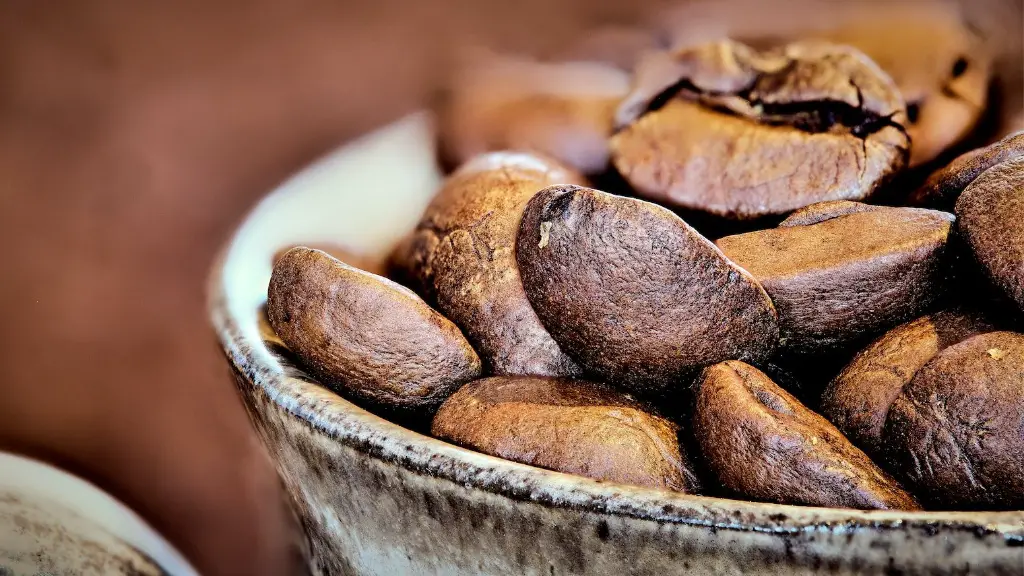
For those who are looking for alternatives to regular coffee, decaf and herbal teas are good options. Decaf has less caffeine and can help reduce the risk of dehydration. Herbal teas can also be a tasty way to get a caffeine boost without the negative effects associated with regular coffee. Additionally, there are many caffeinated drinks available that contain natural ingredients and have fewer calories than traditional coffee drinks.
It is important to speak with your doctor or dietitian about how much caffeine you should be consuming after gastric sleeve surgery as everyone’s tolerance level may vary.
Benefits of Not Drinking Coffee After Gastric Sleeve
Gastric sleeve surgery, also known as sleeve gastrectomy, is a weight-loss procedure that removes a portion of your stomach. It is important to be mindful of the dietary changes you may need to make after this procedure. Drinking coffee can be particularly challenging, as it can cause stomach upset and dehydration, and interfere with the body’s ability to absorb nutrients. By avoiding coffee after gastric sleeve surgery, you can reduce the risk of these side effects and help ensure your post-surgery success.
Not drinking coffee can also help you achieve your desired weight loss goals. Caffeine is a stimulant that can increase your energy levels, but it also stimulates hunger hormones which can make it harder to control your appetite. By avoiding coffee, you can avoid these unwanted cravings and keep your post-surgery diet on track.

Finally, quitting or reducing your coffee intake has been linked to better overall health. Coffee contains high levels of antioxidants which can reduce inflammation in the body but it is also acidic which can be damaging for those with sensitive stomachs after surgery. Not drinking coffee gives your body time to heal and adjust to its new size without having to worry about potential negative side-effects from drinking coffee.
The End
In conclusion, it is generally safe to drink coffee after gastric sleeve surgery, although moderation is advised. However, some patients might experience side effects from drinking coffee such as heartburn or reflux. Therefore, it’s important to listen to your body and pay attention to any signs of discomfort before consuming coffee. Additionally, it’s important to remember that the amount of caffeine consumed should be limited and that coffee should not replace fluids or electrolytes. It is also recommended to consult a doctor before making any changes in your diet.
