
Giving birth is a completely different experience for every woman and there is some disagreement among experts as to whether or not it is safe to drink coffee post-delivery. Coffee contains caffeine which stimulates the production of stress hormones, and for women giving birth, this can be detrimental.
Known benefits of coffee are improved alertness, increased concentration and improved stamina, which can all be beneficial for mothers who may have gone through an exhausting childbirth experience. However, during pregnancy it is advisable to reduce your caffeine intake, so continuing with coffee post-delivery is not recommended. If the mother does drink coffee, she should know the risks and take all the necessary precautions.
Caffeine can cause dehydration, and post-delivery, the mother is already at a higher risk of dehydration due to being physically and emotionally exhausted. Coffee also affects the hypothalamus, which is the part of the brain responsible for controlling hormones, digestion, cognitive functions and sleep. In other words, coffee can lead to hormonal imbalances, digestive issues, cognitive issues and sleep deprivation in mothers who give birth.

Another factor that comes into play is the baby’s exposure to caffeine. A baby’s body is still developing and cannot process caffeine as an adult can, so even if the mother only drinks small amounts of coffee post-delivery, she should consider its potential effects on the baby. Caffeine can be transmitted to the baby through breast milk and even though studies show that babies can be exposed to some amount of caffeine without any noticeable adverse effects, it is still not recommended.
Finally, the psychological effects of caffeine should also be taken into consideration. As women give birth, their bodies undergo enormous changes, physically and emotionally. Post-delivery, it takes a bit of time for a woman’s hormones to return to normal, and during this time, additional stress from caffeine consumption can be detrimental to her emotional wellbeing. This is why it is better to avoid coffee and other caffeinated beverages post-delivery.
Moderation
Experts suggest that if a woman does decide to drink coffee post-delivery, it should be in moderation and with caution. Caffeine tolerance varies from person to person, so it is important that each mother determines what is moderate for them. Having one cup of coffee or other caffeinated beverage in the morning or in the afternoon is generally considered ok, but any more than that should be avoided.
It is also important to note that, for some people, even one cup of coffee can be too much. Everyone reacts differently to caffeine, so it is important to be aware of how your body responds to it. If you notice any signs of dehydration, digestive problems, cognitive issues or sleep deprivation, it is best to stop drinking and seeking medical help.
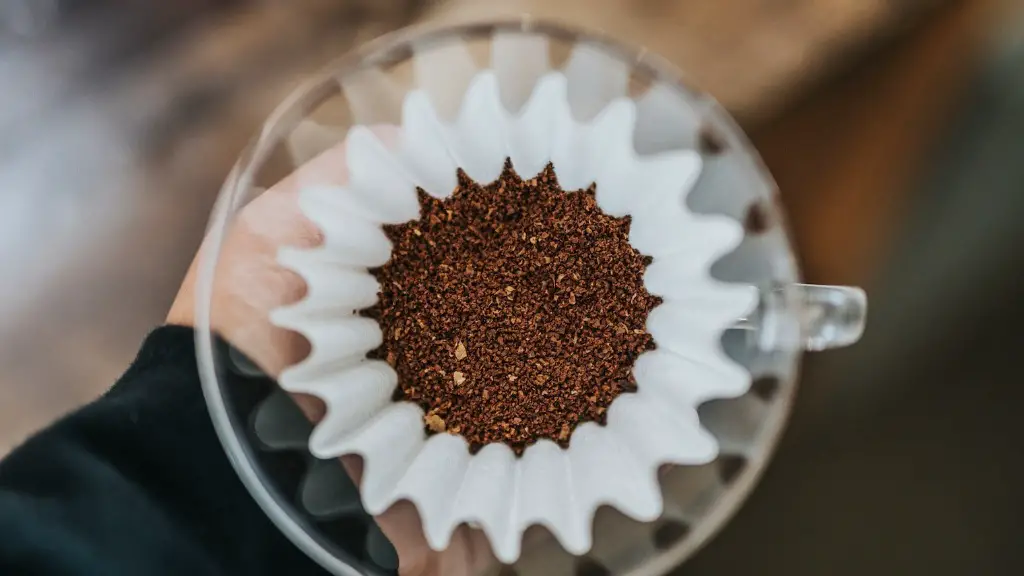
In general, it is best to avoid coffee during the first few weeks post-delivery, since this is the most critical time for the mother and for the baby. However, if she does decide to indulge in a cup of coffee, it is important to take into consideration all the factors discussed above. Moderation is key, and if the coffee is consumed in moderation, it can be beneficial.
Hydration
It is important to remember that dehydration is one of the most common side effects of drinking coffee. Post-delivery a woman’s body is still recovering and needs all the help it can get to rehydrate itself. The best way to do this is to avoid coffee, as it can lead to dehydration, and opt for water instead. Drinking plenty of water post-delivery will help replenish the body naturally, heal any wounds and promote better overall health.
One of the best ways to keep hydrated post-delivery is to stay away from diuretics such as coffee and opt for beverages that contain electrolytes instead. Coconut water, almond milk and other electrolyte-rich drinks are a great way to rehydrate quickly and keep the body in a good state of health. Additionally, eating plenty of fruits and vegetables will also help keep the body hydrated and healthy.
It is also important to remember that every woman’s body recovers differently, so it is important to listen to your body’s cues and take all the necessary steps to ensure that you are taking good care of yourself post-delivery. If you have any doubts or questions, contact your doctor for more information.
Diets

As for diets, it is best for a mother to stick to a balanced diet in order to regain her energy and strength post-delivery. Eating plenty of nutritious food is essential for healing and recovery and will help a new mother to stay healthy and strong. Its best to avoid processed foods, caffeine and sugary foods that can cause energy spikes and fatigue.
Adding leafy greens, fresh fruits, nuts and seeds to your diet post-delivery will help keep inflammation down and promote a healthy immune system. Eating small, frequent meals throughout the day will ensure that your body is getting the necessary nutrients it needs to recover. Additionally, drinking herbal teas like chamomile or ginger can help soothe and nourish the body post-delivery.
It is important to remember that post-delivery a woman’s body needs to regain its strength and energy and that can be done with the help of a balanced diet and plenty of rest. Eating the right foods, avoiding unhealthy foods and getting enough sleep can all help a mother to get back on her feet quickly and easily.
Mental Health
Just as important as physical health is mental health post-delivery. During this time, women can often feel overwhelmed, anxious and depressed. It is important to recognize these feelings and seek help from family and friends to make the recovery process smoother. Talking to someone you trust about your feelings can often be very helpful, as it can help you make sense of your feelings and learn how to manage them.

Getting outside into nature and doing activities that you enjoy can also help take your mind off the overwhelming feelings post-delivery. Exercise is also beneficial, as it releases endorphins that can help reduce stress and anxiety. Additionally, meditation or other breathing exercises can help a woman to relax and reconnect with her body post-delivery.
Finally, it is important to remember to be kind to yourself post-delivery. Every new mother experiences different emotions and feelings, and it is important to know that these feelings are normal and that you are not alone. Seeking help from family and friends and simply allowing yourself time to rest and reflect can all help make the postpartum period a little easier.
Support
Finally, seeking support post-delivery is very important. Participating in post-partum support groups and speaking to other mothers who have gone through the same experience can be very helpful for new mothers. Being able to talk to someone about your experiences and listen to their stories can help you feel less alone and come to terms with your own post-delivery experience. Additionally, speaking to other mothers will provide invaluable insight into the post-delivery journey, as each mother’s experience is unique.
Support can also come from family, friends and healthcare providers. It is important to remember that everyone has their own unique postpartum experience, so it is important to find people who can validate and understand your experience. It is also beneficial to remember that there is no “right” or “wrong” way to feel or cope post-delivery and it is perfectly normal to feel overwhelmed and lost at times.

Being open to help and support is essential for any new mother. Talk to your family and healthcare providers, join post-delivery support groups and allow yourself time to rest, reflect and heal. Remember that the post-delivery journey is unique for every woman and there is no one size fits all approach.
