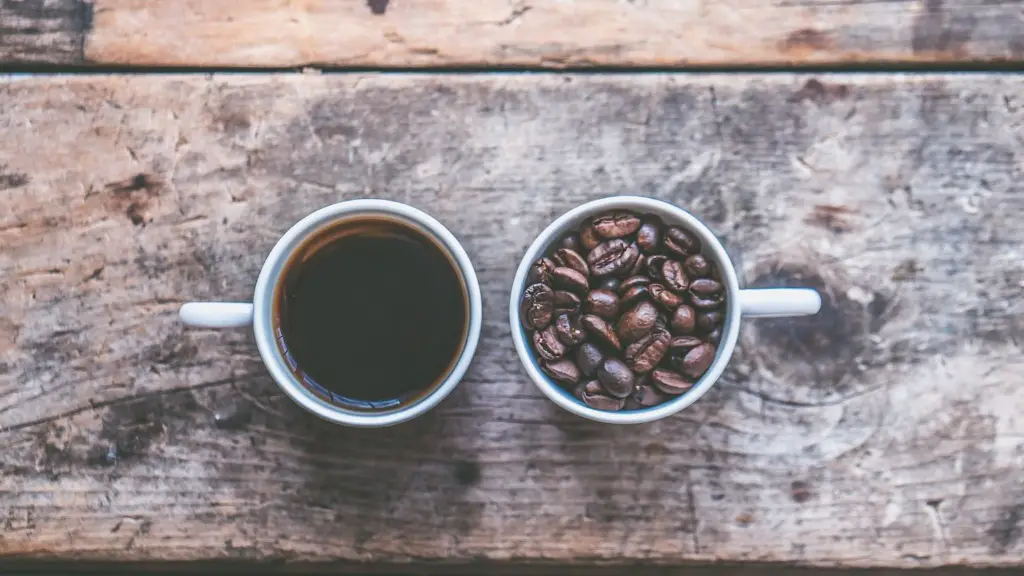
The news of the vaccine rollout has filled us all with hope, bringing light to the end of the tunnel we have been living in for almost a year now. As we continue to hear reports of the vaccine’s effectiveness, many people have questions about how to maintain a healthy lifestyle moving forward in combination with the vaccine. One such question is ‘can you drink coffee after the vaccine?’
Caffeine is one of the most widely used stimulants in the world with coffee being one of the main sources of the drug. According to a recent survey, the average person in the United States drinks three cups of coffee per day. While this drug can provide many welcomed benefits, it can also be dangerous if consumed in excess. It is essential that individuals understand the risks associated with drinking coffee in combination with the vaccine.
The answer to this question is ‘yes’ individuals can safely drink coffee after the vaccine. However, it is important to keep in mind that not all individuals have the same reaction to caffeine intake. For some people, a single cup of coffee may be too stimulating and can increase the risk of side effects. To ensure the best outcome when combining the vaccine with regular coffee consumption, individuals need to monitor their individual reactions to caffeine and adjust their intake accordingly.
In addition to understanding their individual reactions to caffeine, people should also consider the amount of caffeine they are drinking with respect to the timing of their vaccine. It is important to note that the vaccine is not a one-time dose, and individuals may experience a range of side effects after their second dose, which may be exacerbated by the presence of caffeine in the bloodstream. It is advisable for individuals to limit their caffeine intake in the 24 to 48 hours before receiving their second dose of the vaccine.
It is also important to consider the other potential health benefits of drinking coffee. Although there are some risks involved with drinking coffee, research has shown that regular coffee consumption can provide many health benefits. Studies have linked coffee consumption to a reduced risk of type II diabetes, stroke, and certain types of cancer.
At the end of the day, it is important to keep in mind that the decision to drink coffee after the vaccine is an individual one. It is essential to consider your individual reaction to caffeine, the timing of your vaccine, and the potential health benefits of drinking coffee. With these factors in mind, you can make the decision that is right for you.
Coffee Varieties
There is a wide range of coffee varieties available on the market. Each one has its own unique characteristics and can provide its own unique benefits. From caffeinated to decaffeinated, from mild to strong, from flavored to unflavored, there is something for everyone. It is important to note that the way the beans are roasted and brewed can also have an effect on the caffeine content and flavor of the coffee. It is important to keep these variables in mind when selecting a coffee.
Coffee and Mental Health

In addition to physical health, drinking coffee can also provide mental health benefits. Studies have linked coffee consumption to a lower risk of depression and anxiety. Furthermore, many people rely on coffee in times of stress or fatigue, due to its ability to improve alertness and energy. Coffee can also be a source of social connection as it provides an opportunity to spend time with friends, colleagues or family.
Side Effects of Excessive Coffee Consumption
As with any drug, there are risks associated with consuming too much coffee. It is possible to have an adverse reaction to the caffeine in coffee and it is key to listen to your body and adjust your consumption accordingly. Some of the potential side effects of excessive coffee consumption include jitteriness, headaches, insomnia, and an increased risk of gastrointestinal issues. It is also important to remember that caffeine can be addictive and individuals should be careful not to become dependent.
Milk Alternatives for Coffee
For those who cannot or choose not to consume dairy, there are several plant-based milks that can be used as coffee alternatives. Popular alternatives to dairy products include almond, oat, and soy milk. These alternatives can often be found in many coffee shops and supermarkets. Not only do they provide a great dairy-free alternative, but many of these options provide an array of additional health benefits.
