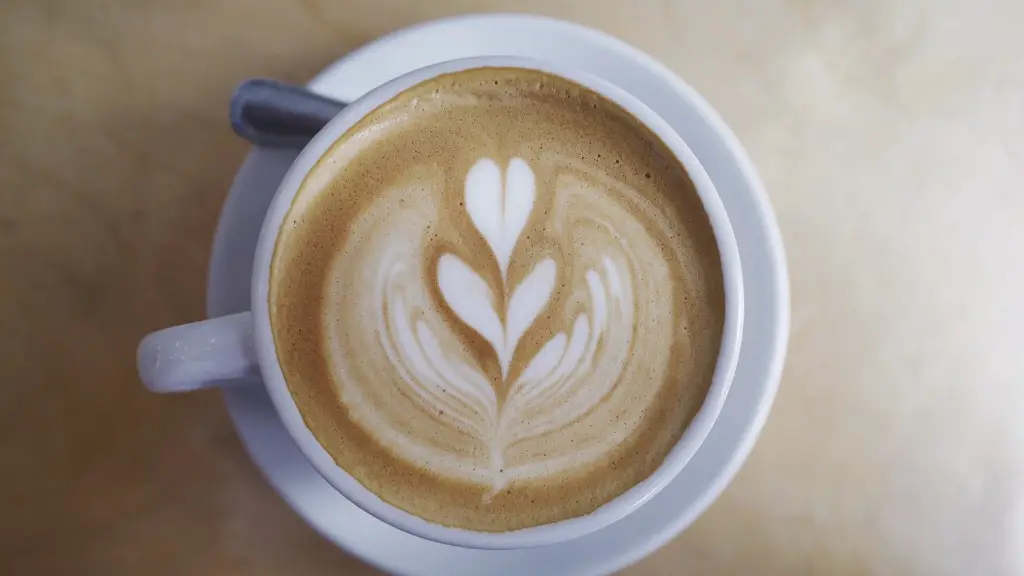
When it comes to teeth whitening, coffee drinkers may have a tricky time. Can you drink coffee after using whitening strips? In this article, we’ll compare coffee with other beverages and explore the potential risks of drinking after you whiten your teeth. We’ll also explore what experts suggest and provide tips to help keep your teeth pearly white.
The Primary Effects of Coffee on Teeth Whitening
According to dentists, coffee usually causes tooth staining. This is due to the presence of tannins in coffee which combine with the proteins in your saliva and attach to the enamel of your teeth. When you drink coffee, the staining will happen almost immediately. As a result, coffee has the potential to diminish the effects of whitening strips.

Strips are usually effective at lightening the natural pigments of teeth by two to eight shades. Coffee, on the other hand, can restore those pigments quickly. By drinking lots of coffee or dark-colored drinks, you can rapidly reduce the whitening power of the strips.
In terms of potential risks, the biggest one is causing discoloration. If you drink coffee or any other dark-colored drinks after whitening your teeth, then you’re putting your teeth at risk of permanently discoloration.
The Effects of Other Beverages on Teeth Whitening
When it comes to other beverages, they generally have less potential to cause discoloration than coffee. Tea, for example, contains less tannins than coffee, which means it doesn’t stain as easily. Red wine is also less likely to cause discoloration.

In this regard, dentists suggest that if you drink coffee or other dark-colored beverages after using whitening strips, then you should also limit other beverages that stain teeth, like tea and red wine. This will help reduce the risk of discoloration.
Odors and Oral Hygiene
Coffee and other dark-colored beverages also have an impact on oral hygiene. Coffee has a strong smell and can stick to your teeth because it is sticky and clingy. This can contribute to bad breath and can also make it difficult for you to keep your teeth clean. In this regard, experts suggest brushing your teeth and using mouthwash after drinking coffee to help reduce the effects.
Finally, it’s important to note that the effects of coffee and other beverages on teeth whitening can be minimized if you brush your teeth after drinking. This will help remove the tannins from your teeth and reduce the risk of discoloration.
Are Whitening Strips Safe?

In order to help protect your teeth and maintain their white appearance, it’s important to ensure that you use whitening strips safely. You should only use products that are approved by the American Dental Association (ADA) or those that have been verified by the Food and Drug Administration (FDA). Before purchasing a product, it’s important to ask your dentist which product they recommend.
It’s also important to follow the instructions on the product packaging. You should avoid leaving the strips on your teeth for too long or using too many at once. This can cause damage to the enamel and increase the risk of gum problems and sensitivity.
Finally, it’s important to note that teeth whitening is not a permanent solution and that you may need to repeat the process from time to time to maintain your teeth’s white appearance. This means that you should aim to take good care of your teeth in between treatments to help maintain their whiteness.
How to Protect Whitened Teeth?
To help protect your teeth after whitening, you should avoid consuming dark drinks like coffee, tea, and red wine. Staining solutions, such as soy sauce, sweets, and certain foods, should also be consumed in moderation.

You should also avoid smoking, as this can contribute to dark staining of your teeth. Additionally, it’s important to ensure that you brush your teeth twice a day and floss to remove any food particles that may get stuck in your teeth.
Dentists also suggest that you consider using an antibacterial mouthwash. This can help reduce the bacteria in your mouth and maintain the health of your teeth. It’s also a good idea to visit your dentist regularly for check-ups and cleanings.
Finally, you should use a good quality toothpaste that has fluoride to help protect your teeth against cavities and staining.
What to Consider Before Whitening?
Before beginning a teeth whitening regimen, it’s important to discuss your options with a qualified dental professional. They will be able to assess your teeth and provide a personalized plan that is suitable for your budget and lifestyle. Additionally, they can provide guidance on how often you should whiten your teeth and the best products to use.

It’s also important to note that while teeth whitening can be an effective way to improve the appearance of your teeth, it’s not a substitute for good oral healthcare. You should still brush, floss, and visit the dentist regularly in order to protect your teeth and maintain good oral health.
In addition, if you have any existing dental issues, such as cavities or periodontal disease, then you should speak to your dentist before beginning a whitening regimen, as this could worsen existing problems.
The Impact of Diet on Whitening
It’s important to consider the impact of your diet on teeth whitening. Eating a diet rich in fruits and vegetables, as well as limiting sugary snacks and drinks, can help maintain the whiteness of your teeth. Additionally, avoiding acidic foods and drinks can help reduce the risk of erosion and discoloration.
It’s also important to note that consuming teeth-strengthening vitamins and minerals, such as calcium and vitamin D, can help protect your teeth from discoloration and maintain their strength. Additionally, drinking plenty of water can help keep your teeth clean and reduce the risk of plaque buildup.
Finally, it’s important to remember that if you have any existing dental issues, such as gum disease or cavities, then it’s best to speak to your dentist before beginning any whitening regimen. This will help ensure that your teeth remain healthy and strong.
Are Professional Whitening Treatments Worth the Cost?
There are several benefits associated with professional teeth whitening treatments. Firstly, a qualified dental professional will be able to assess your teeth and provide customized instructions to ensure that the whitening process is as effective as possible. Additionally, they will also be able to advise you on the best whitening products to use.
Professional whitening treatments also have a higher concentration of whitening ingredients and require less time than over-the-counter products. Most treatments are completed in one to two visits, while over-the-counter products can take up to two weeks to complete. Additionally, professional teeth whitening is highly effective and can provide fast and visible results.
However, professional teeth whitening treatments are usually more expensive than over-the-counter products. Additionally, the effects of the treatment may not last as long as those of over-the-counter products. As such, it’s important to consider the cost and how long the effects will last before deciding which option is best for you.
Takeaways
In this article, we discussed the effects of coffee and other beverages on teeth whitening. We explored the potential risks of drinking after you whiten your teeth, examined the effects of other beverages, and discussed the importance of oral hygiene. We also looked at the potential risks associated with whitening strips and provided advice on how to protect your teeth after whitening.
Finally, we discussed the impact of diet on teeth whitening and examined the potential benefits of professional whitening treatments. Overall, it’s important to ensure that you use whitening strips safely and that you follow the instructions on the product packaging.
