
Tea while Fasting
Can you drink tea while fasting? The short answer is yes. People all around the world have been fasting on tea for centuries and can do so as part of a healthful lifestyle. When looking at the nutritional profile of tea and its potential benefits, it’s easy to understand why it is often included in dietary regimens such as intermittent fasting.
Tea is a beverage made from the Camellia sinensis plant and can come in many forms including green, black, white, and oolong. All these teas are similar and have similar types of active compounds, such as caffeine and polyphenols. Tea contains beneficial antioxidants and has been linked to a variety of potential health benefits including reducing the risk of some forms of cancer, Type 2 diabetes, and heart disease. Tea is also relatively low in calories compared to other beverages, which can make it a good choice for people looking to lose weight or reduce their overall calorie intake.
When fasting on tea, it is important to consider how much caffeine it contains. Drinking too much caffeine can lead to side effects including headaches, nausea, and dehydration. Caffeine sensitive individuals may experience more mild side effects like anxiety or insomnia. It is also important to note that green tea, which is the most widely studied type of tea, has been found to contain the most health benefitting compounds. Therefore, it may be best to limit consumption of other types of tea while fasting.
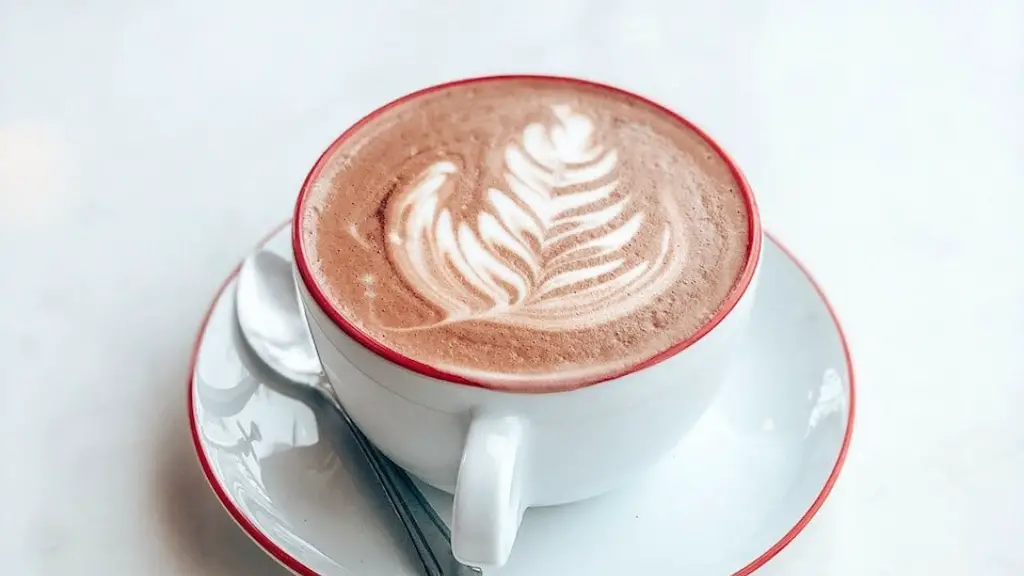
It is also important to remember that drinking tea while fasting is not a free-for-all. Some people may attempt to use tea as a way to quench their hunger during prolonged fasts, but this is not recommended. If done excessively, tea could increase dehydration, calorie intake, and may even slow the body’s metabolism. It is also important to check with a healthcare professional to determine if tea is suitable for one’s diet and lifestyle.
Overall, it is safe to say that drinking tea while fasting may be beneficial. When done in moderation and combined with other healthful habits such as regular exercise and adequate hydration, tea has been known to help nourish the body and improve overall health. So if you are looking to take up a healthy dietary lifestyle that includes fasting, why not add tea to your list of beverage options?
Coffee while Fasting
What about coffee and fasting? Can coffee be consumed in conjunction with a fasting protocol? Just like tea, coffee is a popular drink item with potentially therapeutic aspects. Studies suggest that coffee may reduce the risk of Type 2 Diabetes, Alzheimer’s Disease, and certain types of cancer. Along with tea, coffee is also low in calories and contains antioxidants. When consumed in moderation, coffee can have positive health benefits.
However, like tea, consuming too much coffee while fasting could have undesirable effects. Caffeine is a stimulant and can cause jitters and anxiety if taken in large amounts. It can also raise blood pressure and heart rate if not monitored properly. People who suffer from any type of medical condition should consult a healthcare professional before incorporating coffee into their diet and lifestyle.

Ultimately, the decision to include coffee while fasting comes down to individual preference and lifestyle. Some people may choose to drink coffee and tea as part of a clean intermittent fasting regimen to help with energy levels, while others may choose to abstain from both to avoid disrupting their digestion or cardiovascular health. Ultimately, any good dietary and lifestyle regimen should be customized to fit the unique needs of the individual.
In conclusion, drinking coffee and tea while fasting is something best achieved by personal experimentation and observation. For those who feel the need for these stimulants or the potential health benefits, it is important to do so in moderation and in combination with other healthful habits. People who suffer from any medical conditions should always consult a healthcare professional before adding coffee or tea to their dietary habits.
Health Benefits of Coffee and Tea While Fasting
Both coffee and tea can offer health benefits when consumed as part of a fasting regimen. Coffee and tea drinkers alike will find that the polyphenols, antioxidants, and catechins found in these beverages may support overall health. Caffeine itself has been known to sharpen focus and improve energy levels, although it is important to monitor intake in order to avoid undesired side effects.
Some studies have found that coffee, in addition to its energizing properties, can act as an appetite suppressant to help regulate hunger while fasting. While appetite suppression may have benefits, it is always important to pay attention to hunger cues and food cravings no matter what dietary habits one follows.
Additionally, many people appreciate the social aspect of coffee and tea drinking, which can contribute to a sense of wellbeing. This can be especially useful for those who are fasting for long periods of time or are prone to feelings of loneliness. Sharing a cup of tea or coffee at breakfast can be a good way to build social connections and have meaningful conversations with friends and colleagues.
This is not to say that coffee and tea should be treated as a crutch while fasting. It is important to abstain from these beverages if they do not benefit one’s health or personal goals. Additionally, it is important to practice moderation and be mindful of any negative consequences that may arise.
Caffeine Intake When Fasting
When it comes to caffeine and fasting, it is important to consider how much is the right amount. Many people feel that since coffee and tea are low in calories and can provide energy, they can be consumed regularly while fasting. However, too much can lead to undesirable side effects. Generally, it is best to keep caffeine intake at a reasonable level, no more than 200 milligrams per day.
It is also important to be aware of the potential for addiction. Caffeine has been found to have a mild addictive quality, and it can be easy to become reliant on it for energy. In order to avoid this, it is important to track one’s daily caffeine intake and make sure to not exceed recommended amounts.

Lastly, people should consider what type of coffee or tea they are consuming and monitor the amount of sugar, creamer, and syrup they are adding to it. Even with natural, plain coffee or tea, it is important to pay attention to, and reduce calories if needed.
Fasting on Tea or Coffee
When considering fasting on tea or coffee, it is important to understand one’s own body and lifestyle needs. Different people have different reactions to these beverages, and it is important to experiment and observe in order to find out what works for one’s diet and lifestyle. Factors to consider include type of beverage, caffeine intake, and any potential side effects.
Overall, tea and coffee can be a great addition to one’s diet and lifestyle if consumed in moderation and in combination with other healthful habits. People who are interested in incorporating these beverages into their fasting regimen should do their research and remember to monitor their intake and watch out for any undesired side effects.
Caffeinated Beverage Alternatives
When looking for alternatives to caffeinated beverages, there are many herbal teas and non-caffeinated drinks available. People can find herbal teas in many forms, including chamomile, rooibos, ginger, and lavender. All these options have therapeutic qualities and can be made even more healthful by adding cinnamon, honey, or other spices and natural sweeteners.
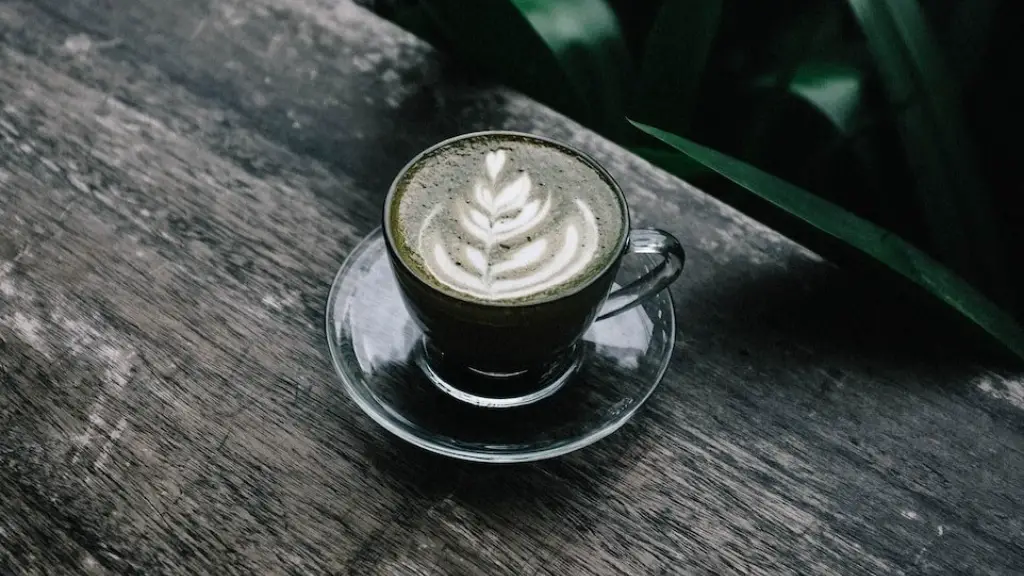
Additionally, many fruit and vegetable-based beverages are available for people to try. Smoothies, for example, are a great way to get in your daily servings of fruits and vegetables and can be tailored to fit any dietary need. There are also many plant-based milks available, including almond, coconut, soy, and cashew milks, that are delicious and often come flavored.
In short, when looking for an alternative to caffeine while fasting, there are plenty of options. By exploring and experimenting, one can find the right beverage that fits his or her individual needs.
Caffeinated Beverage Recipes
People looking for more creative ways to enjoy tea or coffee while fasting can find endless combinations. Often beverages are thought of as just energizing drinks, but they can also do double duty as satisfying snacks. Many recipes exist online that can help people get creative while trying to come up with ways to make tea or coffee a more interesting experience.
For coffee, adding coconut milk or almond milk can make for a creamy flavor and texture without adding too many extra calories. Adding a few drops of stevia, agave, or honey can sweeten things up without adding too much sugar. Or for something more unique, one can try adding a pinch of cinnamon or cardamom for a kick of flavor. People can also experiment with different types of coffee and see which ones they prefer.
As for tea, one can add some of their favorite fruits and herbs in order to create a more flavorful and satisfying hot beverage. Some great additions include orange slices, ginger, green apple, chamomile, and rosemary. One can also add spices like cloves, cinnamon, or cardamom to give it an extra kick. Or for something more unusual, one can try adding matcha powder, turmeric root, or lavender flowers.
Additional ideas that can be explored include adding nut butter, cocoa powder, chaga powder, and other superfoods to coffee and tea beverages. Ultimately, the possibilities are endless and there is room to get creative with these types of recipes.
