
Coffee is one of the most popular beverages in the world. Whether it is black, flavored, or with added creamers, millions of people partake in drinking coffee each day. Given its widespread popularity, many people have asked the question of whether or not it is okay to drink a cup of coffee prior to having blood work done. It is important to understand the effect coffee can have on blood tests before making an informed decision.
When ingested, caffeine has been known to increase the heart rate, causes the body to excrete water, and can increase the production of stomach acid. Coffee also has diuretic qualities, which means it causes the body to remove or expel water and electrolytes, making it important to avoid before having blood work done. Too much caffeine can also skew results, affecting the accuracy of the test, which is why it is important to be mindful of caffeine intake, as it can cause artifacts in certain analysis.
Furthermore, drinking coffee prior to blood work could potentially raise the blood sugar level which could skew the results of tests, like those used to diagnose diabetes. Since lab results provide information about a person’s health, avoiding any factor that may interfere with the diagnosis is a must. As such, it is best to err on the side of caution and avoid consumption of coffee a few hours prior to the tests.
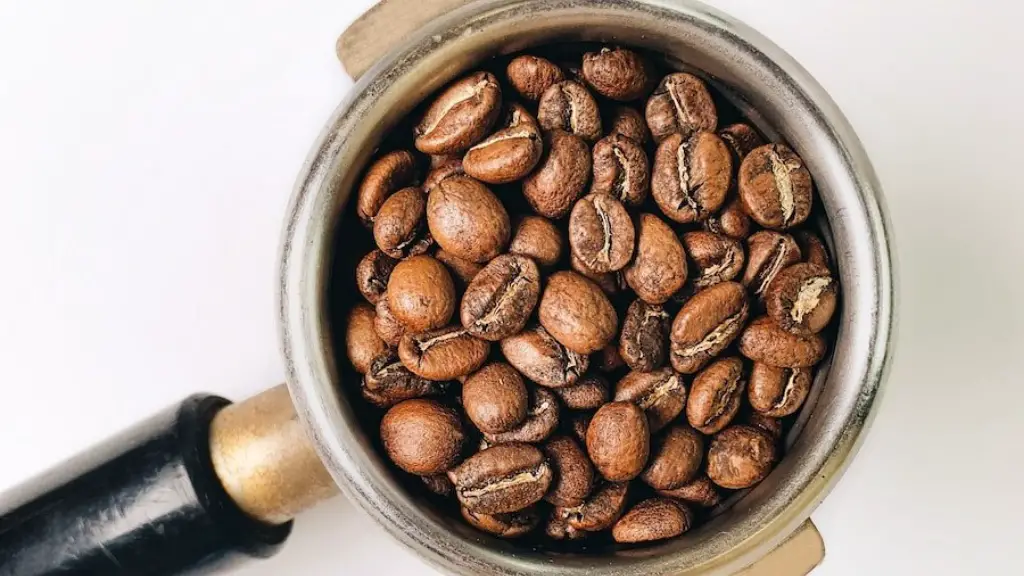
Even though coffee consumption has been shown to elevate the levels of cholesterol and triglycerides in the blood, the impact it has on clinical results is still controversial. Few studies have evaluated the impact of caffeine consumption on clinical results, and there is still not enough evidence to conclusively determine the effects. However, the vast majority of medical professionals recommend that it is best to avoid any caffeinated beverage, such as coffee, the day before scheduled blood tests.
Ultimately, it is up to the individual to decide whether or not to drink a cup of coffee prior to having blood work done. It is always a good idea to discuss the matter with a health professional to get more in-depth information on the possible effects that coffee consumption might have on the results.
Effects on the Cardiovascular System
Since coffee contains a large amount of caffeine, it has certain cardiovascular effects that could interfere with the results of blood work. It has been shown that drinking coffee before having blood work done can momentarily raise blood pressure, which might explain some of the possible artifacts that medical professionals see in the results. For example, caffeine can raise blood pressure and interfere with the accuracy of hypertension tests. Other reports suggest that stimulating the sympathetic nervous system through caffeine can cause the narrowing of the arteries, thus increasing the risk of cardiovascular diseases.
Tests that measure cholesterol or LDL levels could also be affected by the amount of caffeine that is consumed prior to having the test done. Several studies show that drinking coffee before having blood work done can raise the levels of triglycerides, a type of fat that can cause heart disease. Additionally, drinking coffee has been linked to increased risks for stroke and heart disease.

Therefore, one of the possible adverse affects of consuming coffee prior to having blood work done is the unpredictable impact it can have on the cardiovascular system. This can include higher risks for stroke and heart attack, as well as increased levels of cholesterol, triglyceride levels and LDL levels. As a result, it is important to be aware of the possible consequences of drinking coffee prior to having blood work done.
Possible Interactions with Medication
In addition to the effects of coffee on the cardiovascular system, it is also important to consider any other medications that could interact with the caffeine in the coffee. For example, certain medications, such as those used to treat high blood pressure or diabetes, could be affected by caffeine. Consuming coffee prior to blood work done can cause the results to be inaccurate due to these drug-caffeine interactions. It is important to consult with a doctor to determine if coffee should be avoided before having blood work done.
In some cases, interactions between coffee and medications can compound the effects of coffee on the cardiovascular system. For example, caffeine can increase the amount of time it takes for some drugs to break down in the body, which can cause an increase in the levels of those drugs in the bloodstream. This can have unpredictable and dangerous effects on the heart, the brain, and other organs.
Additionally, the caffeine in coffee can also diminish the effects of some medications, such as those that are intended to relax the blood vessels. This can initiate stress to the blood vessels, as well as reduce the effects of the drug on the organs and lead to higher levels of glucose in the blood. To avoid any complications, it is important to ask a doctor if it is safe to drink coffee prior to having blood work done.
Decreasing Levels of Stress and Anxiety
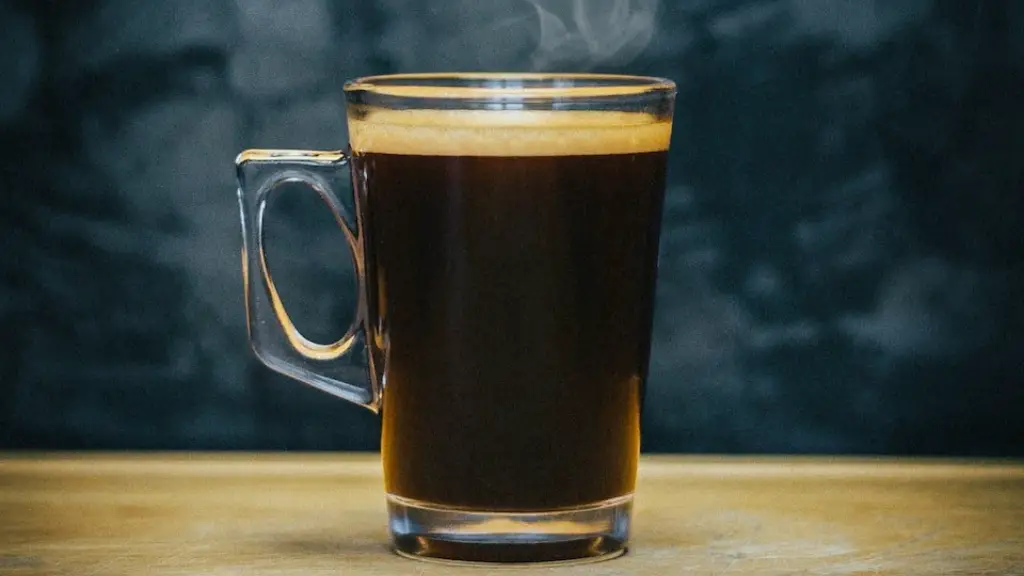
The effects of coffee before having blood work done is not only limited to its physical effects, but also to its psychological effects. In some cases, caffeine can increase anxiety levels and lead to a “fight or flight” response, which can also impact the results of the test. If the individual is feeling an increased level of anxiety or stress, it is best to avoid coffee prior to having blood work done.
While some people may find that coffee helps to reduce their stress and anxiety levels, it is important to understand that caffeine consumption may lead to a more intense response during stressful situations. Additionally, some medications used to treat anxiety, such as benzodiazepines, may interact negatively with caffeine, causing a heightened reaction.
In order to avoid any negative effects, it is important to be aware of the effects that coffee can have on the body and mind before having blood work done. Additionally, it is important to consult with a healthcare professional to discuss the possible risks associated with drinking coffee prior to blood work.
Interference with Lab Tests
In addition to its physical and psychological effects, it is important to consider how coffee might interfere with the lab tests themselves. For example, the accuracy of certain lab tests, such as those that measure glucose or calcium levels, can be affected by the increase in stomach acid caused by the caffeine in coffee. This can lead to inaccurate results, making it important to avoid coffee prior to having blood work done.

Additionally, drinking coffee prior to blood work can cause a decrease in the amount of nutrient absorption in the intestines, as well as an increased amount of excrement leaving the body. This can lead to inaccurate blood work results, as the amount of nutrient absorption and excrement will be different than what is expected.
Furthermore, CO2 levels can also be affected by drinking coffee prior to having blood work done. Research shows that caffeine can increase the amount of CO2 in the bloodstream, which can lead to inaccurate lab results. Therefore, it is important to avoid coffee prior to having blood work done in order to avoid any potential interference with the lab tests.
Alternative Beverages
Although it is best to avoid coffee prior to having blood work done, there are alternative beverages that can be consumed in order to get the same benefits. For example, drinking water is an excellent way to rehydrate and prepare for blood work, as well as flush out any toxins from the body. Additionally, herbal teas and sports drinks can also provide hydration and energy without the risk of caffeine interfering with the results.
For those who are looking for a more natural alternative to coffee, teas such as rooibos or chamomile can provide a calming and energizing effect without the jittery feeling brought on by coffee. Additionally, unique flavors can be added to herbal teas, such as ginger, lemongrass, or even chocolate, to create a delicious and energizing drink.

It is also important to remember that there are many other beverages that can be enjoyed prior to having blood work done. For example, green and black tea, as well as some juices, are great options that provide a boost of energy and can help to rehydrate the body. While it is important to avoid coffee prior to having blood work done, there are plenty of alternatives that can provide the same benefits without the potential risks.
Conclusion
Ultimately, it is up to the individual to decide whether or not to drink a cup of coffee prior to having blood work done. It is important to understand the effects of coffee on the results of blood tests, as well as any possible interactions with medications. Additionally, alternative beverages can be consumed in order to prepare for blood work without the risk of altering the results. To make an informed decision, it is important to consult with a doctor or healthcare professional regarding consuming coffee before having blood work done.
