Caffeine Intake During Intermittent Fasting
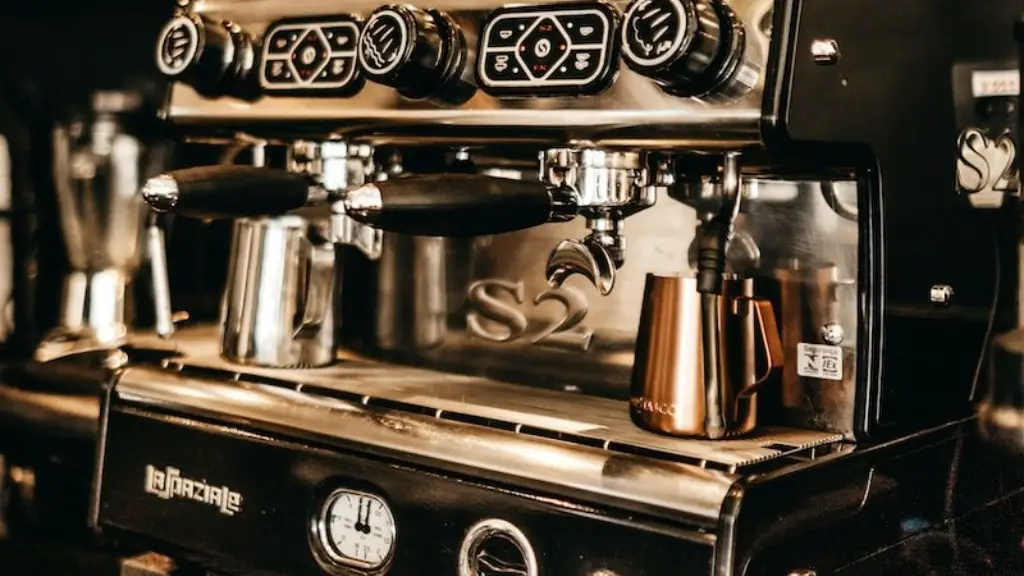
Intermittent fasting (IF) is a popular diet and lifestyle choice for many people who want to improve their overall health, lose weight and/or enhance their physique. As with all dietary plans, there are certain rules that must be followed in order to experience successful results. One important rule is understanding what can and cannot be consumed while in a fasting state. One of the most commonly asked questions is whether you can drink coffee while fasting.
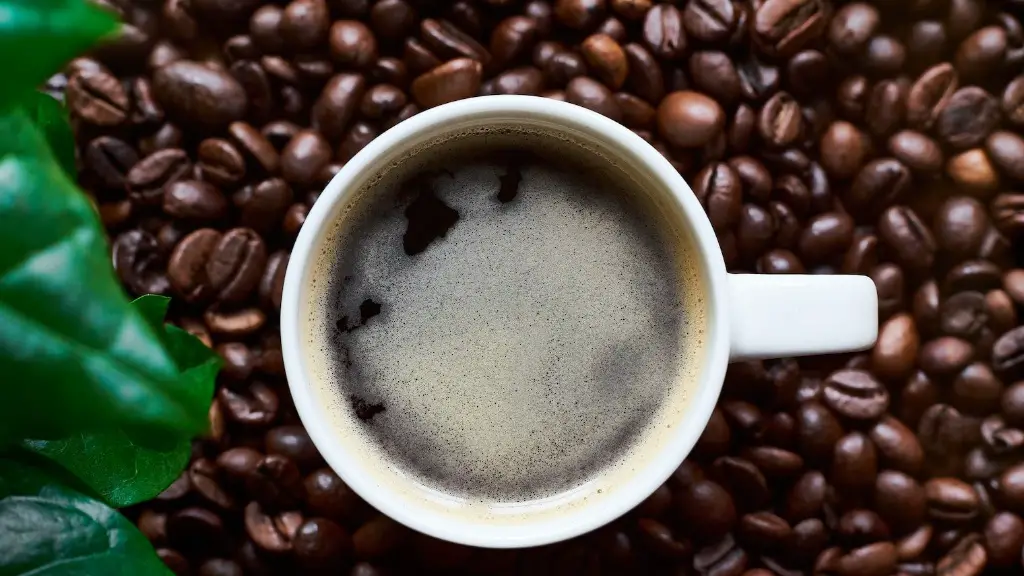
Although coffee is known to contain caffeine, which is a stimulant, experts say that it is typically permitted while intermittent fasting, as long as it’s consumed without any added sugars or cream, as this can cause an insulin reaction. Caffeine consumption can help to reduce hunger and keep your energy levels up during the fast, however, it’s important to understand that caffeine is also a diuretic and can therefore cause dehydration.
Studies have shown that consuming coffee during a fast can have a positive effect on blood sugar levels, which is beneficial for those with diabetes. Caffeine has also been found to help reduce fatigue and concentration difficulties, which can be beneficial when fasting. Additionally, coffee helps to increase metabolism and can therefore be an effective way to burn fat and lose weight.
However, it is important to consume coffee in moderation, as too much caffeine can lead to unwanted side effects such as jitters, headaches and insomnia. It is also recommended that individuals new to intermittent fasting start with no caffeine during their first few weeks in order to allow their bodies to adjust to the fasting state.
Overall, coffee is generally accepted as an acceptable beverage to consume while intermittent fasting, as long as it is consumed in moderation and without any added creams or sugars. Doing so can offer a range of health and physical benefits, as well as aiding with mental clarity and alertness during the fast.
Benefits of Drinking Coffee While Intermittent Fasting
Drinking coffee while in a fasting state can offer a range of health and physical benefits. Firstly, it can help to reduce hunger levels, as caffeine is known to inhibit hunger hormones. Additionally, studies have shown that caffeine can help to increase metabolic rate and can therefore be an effective way to burn fat and lose weight.
Coffee also helps to reduce fatigue, which can be beneficial as many intermittent fasters experience bouts of low energy. It also helps to improve concentration, so if you’re in a fasted state and need to stay productive, a cup of coffee can be an effective way to get through it. Finally, caffeine has been found to have positive effects on blood sugar levels, making it an ideal beverage for those with diabetes.
Possible Side Effects of Drinking Coffee While Intermittent Fasting

While there are many benefits of drinking coffee while intermittent fasting, it is important to note that there can also be some potential side effects. Firstly, caffeine is known to be a diuretic and therefore it can cause dehydration, so it’s important to make sure you’re drinking plenty of water while in a fasted state.
Additionally, too much caffeine can lead to jitters, headaches and insomnia, so it is important to consume it in moderation. If you are new to intermittent fasting, experts recommend that you avoid caffeine during the first few weeks of the fasting period in order to allow your body to adjust to the fasting state.
Expert Recommendation on Drinking Coffee During Fasting
Most experts agree that it is generally safe to drink black coffee while intermittent fasting, as long as it’s consumed in moderation. However, they also advise that those who are new to the practice should begin by avoiding caffeine during the first few weeks in order to allow their bodies to adjust.
Additionally, it is important to remember that caffeine is a diuretic and can therefore cause dehydration, so it’s important to make sure you’re drinking plenty of water alongside your coffee. Finally, it’s important to remember that too much caffeine can lead to jitters, headaches and insomnia, so it is important to drink it in moderation.
Pros and Cons of Drinking Coffee During Intermittent Fasting

Drinking coffee while in a fasted state can certainly offer a range of physical and mental benefits. For example, it can reduce hunger levels, help to increase metabolic rate and also help to improve concentration and focus. Additionally, it has been found to have positive effects on blood sugar levels, making it a beneficial beverage for those with diabetes.
However, it is important to be aware of potential side effects including headaches, insomnia and jitters, and to drink coffee in moderation in order to avoid experiencing these symptoms. Additionally, caffeine is known to be a diuretic and can cause dehydration, so it is important to be sure to drink plenty of water alongside coffee consumption.
My Opinion on Coffee During Intermittent Fasting
I personally believe that drinking black coffee while intermittent fasting can be beneficial, as long as it is done in moderation and alongside an adequate water intake. As a regular intermittent faster, I have found that black coffee helps me to maintain my energy levels during the fasting period, as well as helping to reduce cravings and hunger.
However, I am aware of the potential side effects of caffeine, so I make sure to drink it in moderation and avoid consuming too much. Furthermore, I make sure to always drink plenty of water alongside my coffee to avoid dehydration.
