
Can you Drink Coffee During Intermittent Fasting?
Intermittent fasting is a type of diet plan where you cycle between periods of fasting and eating. There are different approaches which determine the specific diet plan, but overall it is meant to increase fat burning and improve overall health while controlling calorie intake. This type of diet has grown in popularity due to its potential health benefits, and a natural question is whether or not coffee consumption should be part of the intermittent fasting plan.
Coffee has long been shown to have multiple health benefits, including improving focus, reducing inflammation, and even aiding with weight loss. The question is whether or not these benefits extend to intermittent fasting. Evidence suggests that drinking coffee during intermittent fasting may extend its health benefits, however the way that it should be consumed and the time of day it should be ingested does matter.
For most people, a simple cup of coffee should not interrupt the fasting process. Generally speaking, black coffee or coffee with small amounts of almond milk or heavy cream are ideal. Without added sugars, creams, or other ingredients, the levels of calories are so low that they do not affect the intermittent fasting process. Since coffee is calorie-free, the caffeine it contains can also help keep hunger at bay throughout the day.
Does Coffee Interrupt the Fasting Process?

The primary concern with drinking coffee during intermittent fasting is that it can disrupt the fasting experience. The body absorbs the caffeine into the bloodstream quickly, leading to a jolt of energy. This can in some cases disrupt the fasting process, so if this is a concern for a particular individual, other lower-caffeinated beverages such as herbal teas may be a better choice.
It’s important to also note that if a person is attempting to intermittently fast for weight loss, the calories in coffee or in other liquids like milk and sweeteners can add up over time. This can make it difficult to achieve their calorie goals and in some cases can cause them to overeat. It’s also wise to limit the amount of coffee you drink while intermittently fasting as it can lead to feelings of irritability, anxiety, and sleep issues.
Should You Drink Coffee During Intermittent Fasting?
Ultimately, whether or not you should drink coffee while intermittently fasting will depend on the goals of the individual. If your goal is primarily to lose weight, then it’s best to limit the amount of coffee consumed and make sure to avoid any added sugars or creams. If you want to gain the health benefits of coffee while on an intermittent fasting diet, then it’s best to stick to plain coffee or coffee with a very small amount of milk or cream.
The timing of coffee consumption can be just as important as the type. It’s best to drink coffee in the morning and to avoid it later in the day, especially if you are trying to restrict calories for maximum weight loss. The adrenaline boost that caffeine provides is beneficial in the morning, but could be disruptive to sleep later in the day.
Pros and Cons of Drinking Coffee During Intermittent Fasting
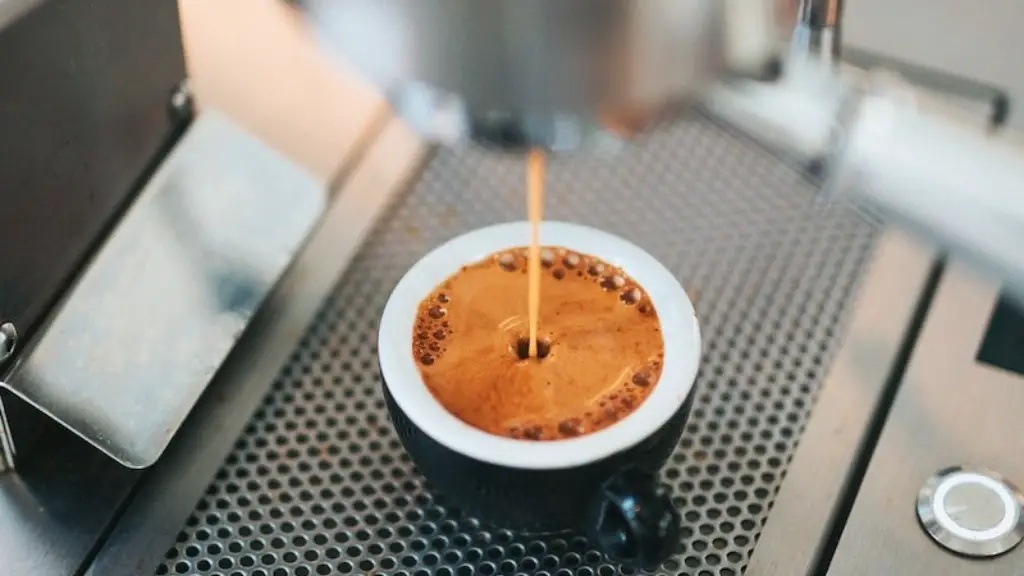
Overall, drinking coffee during intermittent fasting can be beneficial, but it’s important to understand the pros and cons. On the plus side, coffee can help keep hunger, irritability, and fatigue at bay throughout the day, while also providing some antioxidant and anti-inflammatory benefits. On the other hand, consuming too much caffeine can lead to sleep disturbances, anxiety, and other issues.
How to Optimise Coffee Intake During Intermittent Fasting
Whether you’re a fan of coffee or not, there are some things that can be done to optimise coffee intake during intermittent fasting and make sure the pros outweigh the cons. Most importantly, it’s important to watch your calorie intake when drinking coffee and stick to simple drinks like black coffee or a splash of milk. Opt for organic and natural blends whenever possible, as these tend to have fewer additives and chemicals.
It’s also important to pay attention to the timing of your coffee intake. Drinking coffee in the morning helps to stimulate and energise, while avoiding it in the late afternoon or evening is a good way to prevent any potential interference with your sleep cycle. And finally, if you’re feeling overly anxious or jittery due to caffeine intake, then it’s best to switch to lower-caffeine alternatives such as herbal teas or decaffeinated coffee.
Are there any Alternatives to Caffeine?
There are a few alternatives to caffeine if you don’t drink coffee during intermittent fasting or simply want something a bit different. Green tea is one of the most popular alternatives, since it contains some caffeine but also provides additional antioxidant and anti-inflammatory benefits. Green tea can also be supplemented with various herbs or spices like turmeric or ginger, making for an enjoyable hot drink.
Herbal teas are another popular alternative. There are dozens to choose from and each offers a variety of potential health benefits. For example, peppermint tea can help with digestion while chamomile can reduce stress. The key is finding the right tea that fits with your goals, taste, and lifestyle.
What are the Benefits of Drinking Coffee During Intermittent Fasting?
Overall, there are many potential benefits to drinking coffee while intermittent fasting. In addition to providing an energy boost and helping suppress appetite, coffee has been shown to provide other health benefits such as reducing inflammation, improving cognitive function, and increasing the body’s ability to burn fat. Coffee can also aid in digestion, making it easier to digest food when it is time to eat.
The biggest benefit of drinking coffee during intermittent fasting is that it can help make the process easier and more enjoyable. By providing an energy boost and taming hunger, it helps people stick to the diet plan and makes it easier to resist temptation. And for those that are already fans of coffee, it can add an additional element of enjoyment to the process.
