
There is increasing evidence that drinking coffee can interfere with your fasting blood test results. This means that if you have been instructed to fast in preparation for your lab test and have ingested caffeine, whether it be in the form of coffee, tea, or other caffeinated beverages, the results of the test may not be accurate. While there is no single answer on the matter of drinking coffee before undergoing a blood test, it is best to err on the side of caution and avoid caffeine for the 8-12 hours preceding your test.
The reasons why drinking coffee before a blood test is a bad idea are varied and numerous. It has been widely documented that caffeine can raise blood pressure slightly, as well as cause dehydration. When it comes to a fasting blood test, this is a serious consideration. If you are dehydrated or your blood pressure is abnormally high, it can skew your results and may lead to an incorrect diagnosis of your condition or symptoms.
Another reason why it is best to avoid drinking coffee before a fasting blood test is because caffeine can interfere with the absorption of certain pharmaceuticals. Many vitamins, supplements, and medications require that you fast prior to taking them, so ingesting caffeine beforehand may reduce or eliminate the drug or supplement’s effectiveness. It is also known to affect certain hormones, including endorphins, which can also lead to defective results.

It is important to note that the effects of caffeine on fasting blood tests is still a topic of debate. Some medical experts suggest that having a small amount of coffee, less than 100 ml, will not interfere with the test results. However, the amount of coffee ingested must be taken into account before making such a conclusion.
Some medical studies have indicated that coffee can interfere with fasting blood tests in certain ways. For example, it takes longer for certain drugs and supplements to be absorbed into the body after coffee ingestion. It is also believed to increase the amount of food and water that is excreted from the body, leading to false readings on certain tests.
All in all, it is best to err on the side of caution when it comes to fasting blood tests. Even if you are instructed to drink water before a test, it is best to avoid coffee or any other caffeinated beverages. Doing so may ensure the accuracy of your test results and help you get an accurate diagnosis.
Coffee on an Empty Stomach
Coffee is often enjoyed on an empty stomach. But is it safe to drink coffee without having any food? Furthermore, can consuming coffee without food cause any adverse effects?
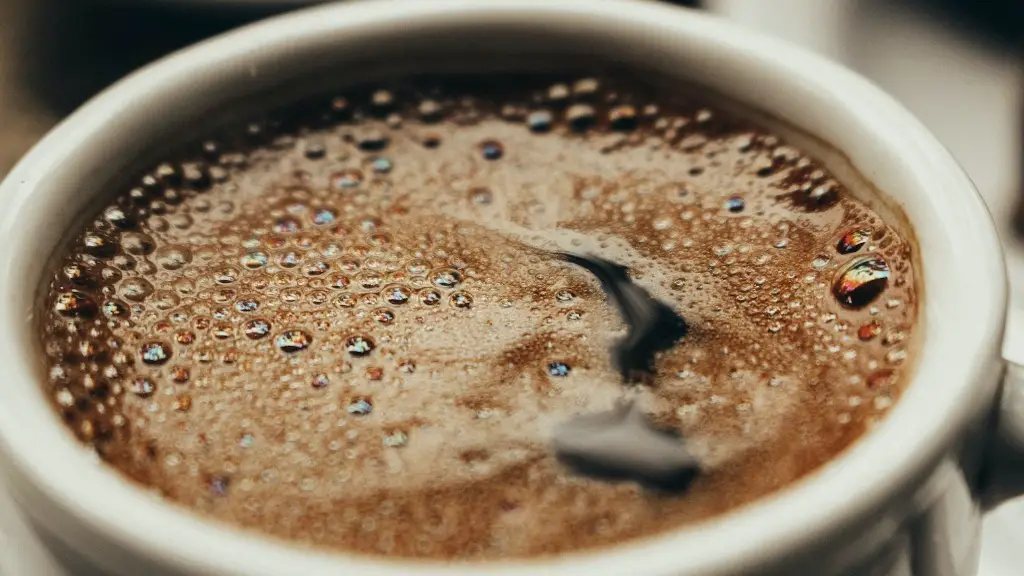
One of the main concerns with drinking coffee on an empty stomach is that it can lead to an upset stomach. Coffee is highly acidic and can irritate or inflame the lining of the stomach, leading to stomach cramping, abdominal discomfort, and heartburn.
In addition, coffee on an empty stomach can also cause rapid and irregular heart beat. For this reason, those with cardiac problems or other heart-related conditions should avoid consuming coffee on an empty stomach.
Drinking coffee before eating can also increase the risk of dehydration, due to the diuretic properties of caffeine. Those who are already prone to dehydration should exercise caution when consuming coffee on an empty stomach.
Medical experts suggest that the best way to enjoy coffee is after a meal. Doing so will ensure that any stomach-related issues are avoided, and that the beverage is enjoyed in the proper dosage.
Effects of Caffeine on the Body

Caffeine is the most widely consumed stimulant in the world. It is found in everything from coffee and tea, to energy drinks and chocolate. But what are the effects of caffeine on the body?
Caffeine is known to have both positive and negative effects on the body. It is a stimulant, so it can increase mental alertness and focus, while at the same time increasing the body’s metabolism and heart rate. Caffeine can even act as a mild appetite suppressant, although this effect is considered to be temporary.
On the downside, caffeine can cause jitteriness, restlessness, and even anxiety in large doses. It is also known to interfere with sleep, so those with insomnia or other sleep disorders should avoid caffeine in the evening.
Furthermore, caffeine can be addictive. Overuse of the stimulant can lead to a tolerance to it, meaning more and more of it is required to produce the same effects. Those who are already prone to addiction should be particularly careful about overindulging in caffeine.

Overall, it is important to exercise caution when it comes to caffeine. While moderate amounts are generally considered safe and can have certain benefits, large doses or chronic overconsumption can lead to serious health problems.
Does Caffeine Affect Performance?
Caffeine is known to have stimulating effects on the body, so it stands to reason that it could affect performance when taking part in physical or mental activities. Does caffeine really improve performance, or could it potentially have a negative impact?
It is generally acknowledged that caffeine can improve physical performance in both short- and long-term activities. Studies have shown that it can increase strength, power, and endurance, as well as muscle contractility and aerobic capacity.
It is also believed to improve mental performance and focus, thanks to its ability to increase alertness and concentration. Caffeine can help reduce the effects of fatigue and sleepiness, allowing for better and more accurate decision-making.
It is important to note, however, that the effects of caffeine can vary from person to person. Not everyone responds to caffeine in the same way and there may be individual differences in the degree of performance improvement.
Furthermore, despite its performance enhancing qualities, caffeine can be detrimental to performance in large doses. Consuming too much caffeine can lead to jitteriness, restlessness, and anxiety, which can all have detrimental effects on performance.
Ultimately, the best way to maximize the performance benefits of caffeine is by taking it in moderation. Doing so may help you reap the most performance benefits, while avoiding the potential adverse effects of overindulgence.
Coffee vs. Tea
When it comes to caffeine consumption, most people are torn between two beverages: coffee and tea. But which one is healthier?
Coffee and tea are both relatively healthy options when consumed in moderation. Both beverages contain antioxidants, which can help protect the body from cell damage and fight against certain diseases.
Coffee, however, contains higher levels of caffeine than tea, so it may cause more jitteriness and restlessness in large doses. Furthermore, it is believed that coffee can increase the risk of certain cardiovascular conditions, such as high blood pressure and cardiac arrhythmia.
Tea, on the other hand, is known to be a more calming drink. It contains lower levels of caffeine and is believed to be linked to a number of health benefits, such as improved brain function, improved digestion, and lower blood pressure.
Ultimately, there is no clear winner when it comes to coffee vs. tea. Both beverages have their own unique health benefits as well as potential risks, so it is up to the individual to decide which one is best for them.
Frequency of Coffee Consumption
Caffeine is a widely consumed stimulant in the world. But how often should you have coffee or other caffeinated beverages?
Medical experts suggest that consuming no more than 400 mg of caffeine per day is considered safe. For reference, this is roughly the equivalent of four cups of coffee. It is also important to note that individual tolerance to caffeine may vary, so some people may be able to consume more without experiencing any adverse effects.
As a rule of thumb, it is best to spread out your caffeine consumption throughout the day. This will help ensure that your body does not become too accustomed to it, reducing the odds of developing a tolerance and addiction.
Furthermore, it is important to remember that caffeine is only one source of stimulation. Refraining from drinking coffee or other caffeinated beverages every now and then can help prevent overstimulation, as well as help you to gain an understanding of when and how much caffeine your body needs.
Ultimately, it is important to be mindful of your caffeine consumption. Moderate amounts are generally considered to be safe, but it is best to monitor your intake and be aware of the potential adverse effects of overindulgence.
