
Coffee and Cleansing
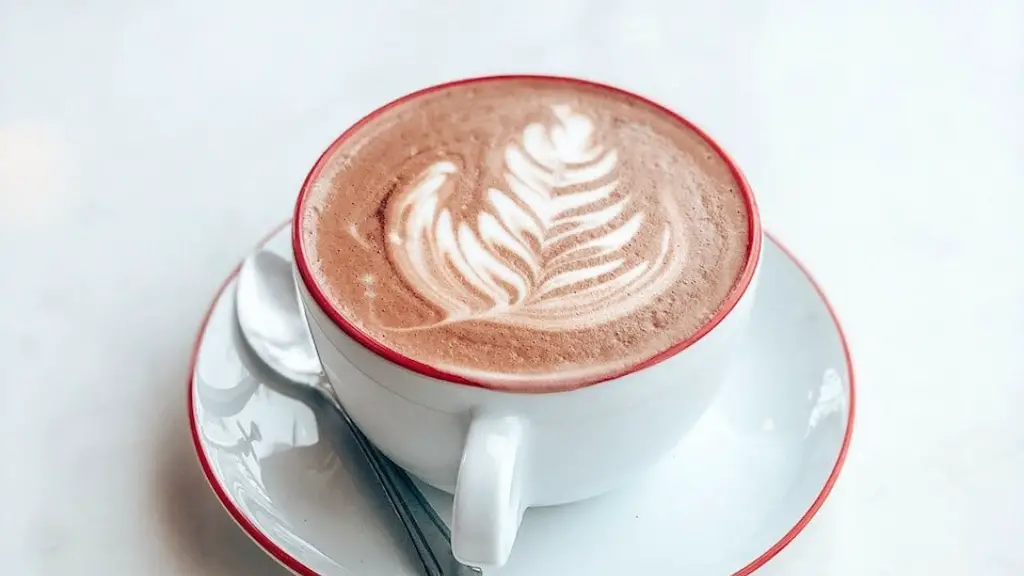
Coffee is often excluded from a cleanse due to its diuretic effect. People commonly associate detoxing with abstaining from coffee to help rid their body of toxins. But is this really necessary for anyone looking to cleanse, or could drinking coffee on a cleanse actually have benefits?
There have been numerous studies and opinions on whether or not one should include coffee in a cleanse. Some studies have shown that drinking coffee can help boost the body’s metabolism and burn more fat, while still allowing you to enjoy your cup of joe. On the other hand, some health experts advise against it; claiming it to be too diuretic, contributing to dehydration and possibly causing disruptions in the delicate balance of your body’s mineral levels.
Dr. Sarah Ballantyne is a prominent health blogger who suggests drinking coffee on a cleanse is beneficial. She states that when done correctly, coffee can be an invaluable addition to any cleanse. “The most important point is how you drink the coffee,” she states. “Drinking it black with nothing added and drinking it in moderation – one to two cups per day – can act as a mild diuretic and help to flush out unwanted toxins.”

Other enthusiasts suggest experimenting with adding coconut oil, butter, and/or cream to your coffee while fasting as an effective way to support your detox. Not only would it add a delicious, creamy taste, but it would also provide an additional energy boost, help to curb cravings, and even aid in maintaining a healthy gut. You could even switch to a decaffeinated or fruit-infused coffee to make your cleanse even healthier.
On the other hand, Dr. Anna Cabeca – a hormone expert – disagrees. She claims that coffee disrupts the natural detox process and causes dehydration. “It is best to stay away from coffee or use it sparingly and drink it after a period of at least 8 to 10 hours of fasting,” she says. “Focusing on herbal teas will be much more beneficial.”
Drinking Tea During a Cleanse
Herbal teas can be a great way to support a cleanse. Teas such as chamomile, peppermint, dandelion, and fennel are known to support digestion and elimination. Not only can they help eliminate toxins and flush out the system, but they can also provide a gentle boost of energy. Teas are also free of calories, giving your body a rest from having to digest food, allowing more energy to be devoted to detoxing.
Dr. Mariza Snyder, an integrative practitioner, goes so far as to suggest a special herbal detox tea blend, which can be brewed and enjoyed hot or cold. It consists of cinnamon for energy and reduce inflammation in the gut, ginger for an anti-inflammatory effect, cardamom for digestive support and relaxation, licorice for a boost of energy and its natural sweetness, and lemon to help alkalize and balance pH levels.

Of course, one shouldn’t rely just on tea to cleanse the body. Dr. Snyder suggests adding an occasional high-quality green juice or smoothie to help support the process. The idea is to make sure the green juice or smoothie is light and uses mostly greens and cucumbers for sweetness. She cautions against using too many fruits as they can spike sugar levels in the blood.
Adding Nutritious Foods To a Cleanse
In order to keep your energy levels up and support your body during a cleanse, it’s important to add in quality nutrition. A few foods that can help you do this are nuts and seeds, avocado, and olive oil. Nuts and seeds are a great source of healthy fats and protein, while avocados are an excellent source of fiber, potassium, vitamins, and minerals. Olive oil is another excellent food to add as it has potent anti-inflammatory properties as well as fatty acids that help to keep your heart healthy.
Adding these foods will help to boost your energy levels and keep your body nourished during the cleanse. Additionally, adding other healthy ingredients such as bee pollen, bee propolis, and royal jelly can also support the detoxing process and give your body the nourishment it needs.
Ending a Cleanse Correctly
When it comes time to end a cleanse, it’s important to do it the right way. First, you should start to slowly incorporate whole grains and legumes into your diet. Dr. Cabeca suggests eating wild-caught fish, organic chicken and eggs, low-sugar fruits, and lots of greens to help support your body. Additionally, she suggests cutting out caffeine for a couple of weeks after the cleanse in order to give your body an opportunity to rest and reset.
Also, hydration is key. Make sure to drink plenty of water every day. Not only will it help flush out toxins and provide fuel for your cells, but it will also help replenish electrolytes and keep your body functioning at its best.
Last but not least, remember to take things slow. Gradually increase the amount of food you’re eating and take it easy for the first few days after a cleanse. This will help your body to adjust back to its regular, healthy diet without introducing too much stress too quickly.
Adding Supplements and Herbs to a Cleanse
In addition to adding healthy, nutritious foods to a cleanse, it’s important to also add supplements and herbs to support the process. Probiotics are one of the most important supplements to consider as they help to quicken the process of digestion and elimination. Additionally, they can also help to restore balance to your gut flora.
Herbs such as dandelion, milk thistle, licorice, and turmeric can also be beneficial while cleansing. Not only do they help flush out toxins and provide antioxidant support, but they can also help to reduce inflammation in the body and restore balance in the digestive system.
Finally, it’s important to remember that everyone’s body is different and what works for one may not work for another. Experiment with different herbs and supplements to see what works best for you and your body.
