
Can you drink coffee when fasting before blood work? This has been a question of debate for decades now. The short answer is: it depends. While it’s generally accepted that you should abstain from eating and drinking anything other than water for eight to twelve hours prior to the procedure, black coffee isn’t exactly off the table. However, it’s important to note that no definitive answer exists since different health care providers and labs may have varying policies.
It’s important to understand the implications of consuming any type of beverage before a blood test. Coffee is considered to contain certain amounts of calories, fat, and sugar. While the amount of these factors may be relatively low in a given cup of coffee, it still technically interrupts the fasting period. Most healthcare professionals therefore advise against it.
Perhaps even more important is the impact of caffeine on your blood glucose levels. Caffeine is known to have a significant effect on glucose, and it isn’t necessarily positive. According to a study conducted by Johns Hopkins University, caffeine is not only capable of affecting your fasting glucose levels, but could actually elevate them. This could potentially result in a false positive.
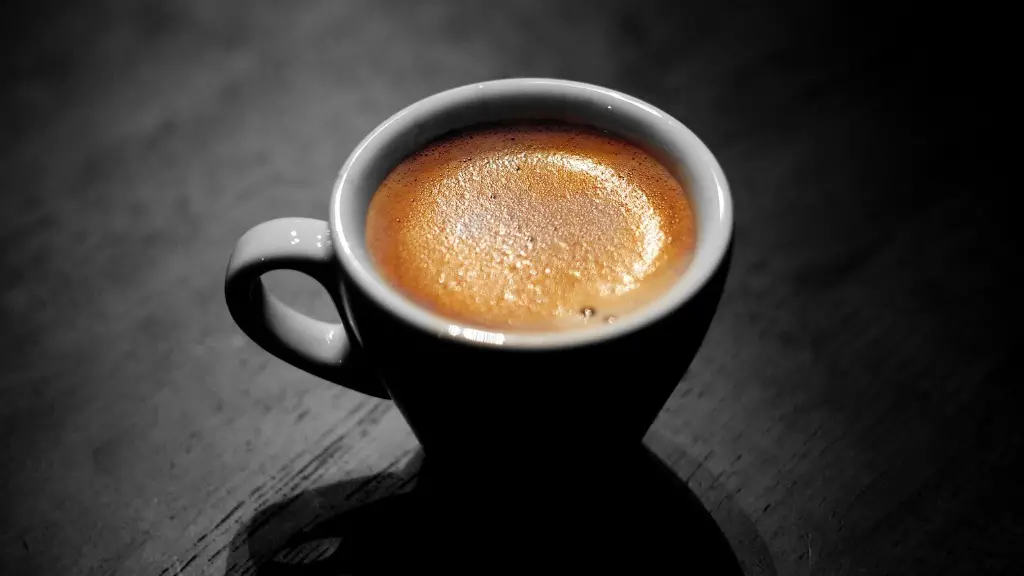
Drinking coffee while fasting before a blood test is not uncommon, and some individuals may choose to do so regardless of the potential risks. In this instance, it’s important to discuss your decisions with a qualified healthcare professional who can adequately assess your own personal risk factors.
It is worth noting that there are also some benefits of drinking coffee before a blood test. Caffeine’s ability to provide energy and alertness has been well-studied, and it can potentially help reduce fatigue and improve focus. This could be especially beneficial for those who may struggle to stay awake during their pre-test fasting period.
Simply put, it’s important to weigh the pros and cons of consuming coffee before a blood test. It may save you the hassle of additional fasting time, but it’s important to understand the potential risks and consult with a healthcare professional before making a final decision.
Effects on Blood Work Results
Most healthcare professionals will advise against drinking coffee, as caffeine has been linked to a number of potential issues that could affect the outcome of your blood work results. A study conducted by the University of Michigan suggests that caffeine could hinder the accuracy of your results, as the compound has been linked to elevated fasting glucose levels.
This risk is only exacerbated with individuals who suffer from insomnia or anxiety. Since these conditions can already throw off blood test results, the addition of caffeine could make matters worse. Likewise, caffeine has also been linked to an increase in blood pressure, which could potentially increase the number of false positives for individuals.
Not only could caffeine affect the accuracy of your blood work results, but it can also increase the risk of certain diseases. A study from the American Heart Association found that drinking more than four cups of coffee per day can increase the risk of coronary heart disease, stroke, heart failure, and various other cardiac issues.
High consumption of coffee has also been linked to a higher risk of type 2 diabetes and kidney stones. While these effects may not be as pronounced with a single cup, they’re still worth considering before making your decision.
Caffeine Alternatives
If you don’t want to abstain from caffeine altogether, there are some alternatives you can consider. Having a cup of decaffeinated coffee may be a better choice, as the effects of caffeine are greatly reduced. Additionally, some healthcare professionals may advise substituting coffee with a cup of tea, which also contains some caffeine but in much lower concentrations.

Cocoa powder is also a suggested alternative for those who wish to retain the flavor of coffee without the associated risks. While cocoa powder does contain a small amount of caffeine, it has not been linked to any of the aforementioned risks. It is worth noting, however, that it does contain a significant amount of calories, so it’s best to use it in moderation.
There are other, more extreme alternatives that are worth considering. Energy drinks, for example, can provide a significant boost of energy and alertness without many of the risks associated with coffee. The problem here, of course, is that most energy drinks contain large amounts of sugar and other additives that could potentially have a negative impact on your results.
In any case, if you wish to consume something other than water before a blood test, it’s important to discuss it with a qualified healthcare professional. They should be able to provide you with the best advice and clarify any potential risks or side effects.
Coffee and Fasting
Fasting prior to a blood test is an important step, as it ensures that your results are not compromised by the presence of food or drink. Since coffee is not a simple drink like water, and contains caffeine and other ingredients, it has been a subject of debate for some time. While some individuals may choose to consume coffee prior to a blood test, it’s important to note that the risks can be considerable.
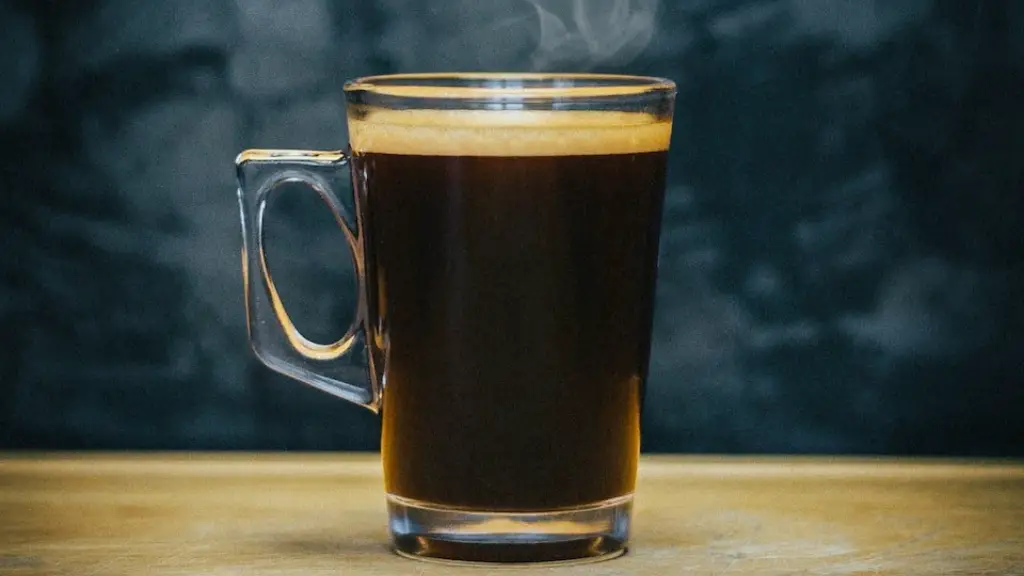
Not only can caffeine affect fasting glucose levels, but it can also contribute to false positives. Additionally, high consumption of coffee has been linked to an increased risk of heart disease, stroke, diabetes, and kidney stones. As such, it’s generally best to avoid coffee prior to a blood test.
If you wish to retain the taste and energy of coffee prior to the procedure, there are alternatives available. Decaffeinated coffee is a viable option, as is substituting coffee for tea or cocoa powder. Energy drinks may also be an option, although it’s important to consider the potential risks associated with them. Ultimately, it’s best to consult with a qualified professional before making a final decision.
Health Benefits of Drinking Coffee
Despite its potential pitfalls, coffee has been linked to a number of beneficial health effects. Many of these benefits are attributed to the presence of antioxidants, which have been linked to lower risks of dementia, heart disease, and type 2 diabetes. According to a study conducted by the National Institutes of Health, coffee plays an important role in overall cognitive function.
The caffeine content in coffee is also known to provide a boost of energy and alertness, which can be especially beneficial to those who struggle with fatigue or other related issues. Additionally, caffeine has been known to improve focus, allowing individuals to remain alert and productive for longer periods of time.

Not only does coffee contain beneficial compounds like antioxidants and caffeine, it can also aid the digestion process. Coffee stimulates certain enzymes in the stomach that are known to act as catalysts for the digestion of proteins. These enzymes can also aid in the absorption of nutrients, making it easier for your body to receive essential vitamins and minerals.
Despite its benefits, it’s important to remember that consumption of coffee should be moderated. Studies have suggested that drinking more than four cups of coffee a day may increase the risk of certain diseases. It’s important to keep this in mind and consult with a qualified professional to ensure your consumption levels are safe.
Alternatives to Drinking Coffee
If you wish to avoid the potential drawbacks of drinking coffee, there are a few alternative sources of caffeine available. Many individuals turn to energy drinks or supplements as a way to provide an extra boost of energy without the potential risks associated with coffee. While these alternatives can provide a significant boost of alertness and energy, it’s important to consider the potential risks associated with them.
Energy drinks and supplements often contain large amounts of sugar and additives that can have a negative impact on your overall health. Additionally, some of these products may contain unknown compounds that can potentially put you at risk of certain diseases. As such, it’s important to discuss your choices with a qualified healthcare professional prior to consumption.
Other alternatives to coffee include herbal teas and espresso shots. Herbal teas contain low levels of caffeine and are generally considered much safer than coffee. Espresso shots, on the other hand, are more potent and should be consumed in moderation. Again, it’s best to consult with a qualified healthcare professional before drinking either of these products.
Finally, it’s important to discuss your alternatives with a qualified healthcare professional to ensure they’re safe to use. While there are a number of alternative sources of caffeine available, it’s important to consider the potential risks associated with each before making a final decision.
Conclusion
Drinking coffee before a blood test is not recommended and carries a number of potential risks. Caffeine has been linked to an increased risk of false positives, and can also disrupt the accuracy of results. In addition, high consumption of coffee is linked to a higher risk of heart disease, stroke, and diabetes. As such, it is best to avoid drinking coffee prior to a blood test.
Fortunately, there are a number of alternatives available to those who wish to consume caffeine in a safer manner. Herbal teas and espresso shots are a viable option, although it’s important to exercise caution and ensure you’re getting all the necessary nutrients. Additionally, energy drinks may also be an option, although it’s important to consider the potential risks associated with them. Ultimately, it’s best to consult with a qualified healthcare professional before making a final decision.
