
In recent years, coffee has become increasingly popular as a beverage and snack for people looking to lose weight. While coffee is known for providing a boost of energy and aiding concentration, caffeine has also been linked to increased fat burning and can help reduce appetite. But when it comes to fasting for weight loss, the question remains – can you drink coffee while fasting?
Studies have shown that coffee with caffeine can increase the amount of time you spend in a fasted state without feeling hunger pangs or fatigue. In other words, if you’re fasting and you need an energy boost, or you’re prone to feeling irritable or fatigued while fasting, then drinking coffee can potentially help. However, it’s important to note that coffee is not a meal replacement and should not be used as a replacement for eating solid food.
Dr. Megan Rossi, a dietitian and postdoctoral research associate at King’s College London, said that there is “no scientific evidence that adding coffee to a fasting period will aid weight loss,” but she went on to explain that “it could help to reduce the sensation of hunger through its use as a stimulant.”
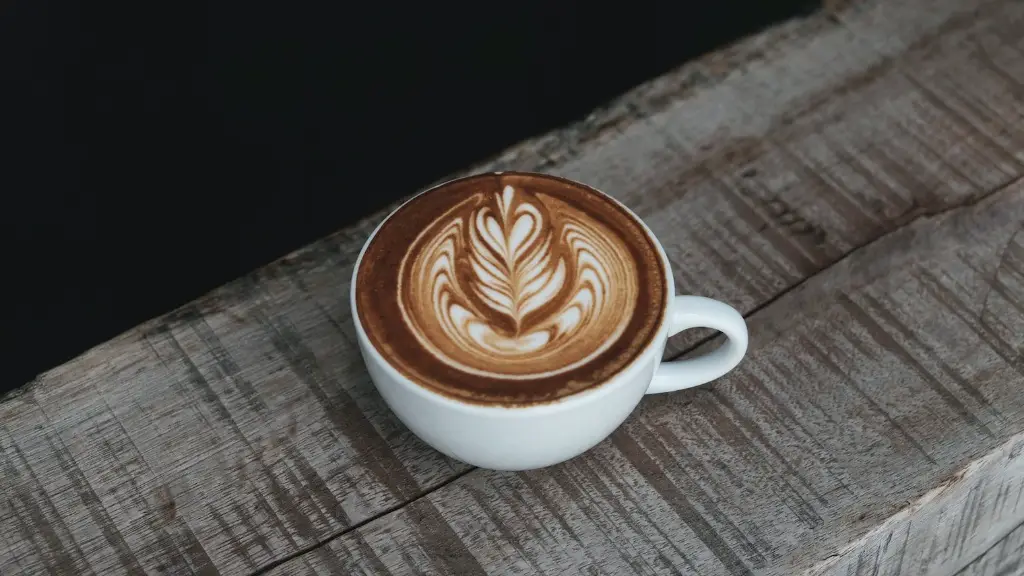
It’s also important to consider how much caffeine you’re consuming. An average cup of coffee contains 95 milligrams of caffeine, while an espresso can contain up to 120 milligrams. According to the American Dietetic Association, the recommended daily allowance of caffeine is 400 milligrams, so having too much can be detrimental to your health.
Generally speaking, experts recommend that you avoid adding sugar and cream to your coffee if you’re fasting. While adding sugar and cream can make the coffee taste better, it can also introduce calories into your body, which can negate the benefits of fasting. Instead, try drinking black coffee with a small amount of milk or cream, if you enjoy it.
If you’re considering drinking coffee while fasting, it’s important to note that everyone responds to caffeine differently. While some may find that coffee helps to keep them energized and alert during the fast, others may find that it doesn’t have the same effect on them. As with any other dietary change, it’s important to pay attention to how your body is responding to the changes and adjust your caffeine intake accordingly.
Side Effects of Coffee
Although coffee can have some positive effects on your fasting, it is important to be aware of the potential side effects. For example, caffeine can make you anxious or jittery, and can also lead to headaches and sleep deprivation. It’s important to be mindful of your caffeine intake and make sure that you’re not overdoing it.

In addition to this, some people may find that drinking coffee while fasting can interfere with their digestion. This is because caffeine can have a stimulant effect on the digestive system, which can make it difficult to properly digest food when you eventually break your fast.
Finally, coffee can be acidic and can be hard on your stomach if drunk in large quantities. If you’re sensitive to caffeine, it’s important to be aware of this and reduce your intake accordingly.
Alternatives to Coffee
If you’re looking for an alternative way to stay energized and alert during your fast, there are a few other options you can try. For example, you can try drinking herbal teas, which are full of antioxidants and can provide a boost of energy without the coffee jitters. Some popular herbal teas include chamomile, peppermint, and ginger.
In addition to herbal teas, green tea has also been found to be beneficial while fasting. Green tea is packed with antioxidants and can help to boost your metabolism, making it an ideal addition to your fasting regimen.

Finally, some people may find that drinking vegetable juices can be beneficial while fasting, as they can help to keep you hydrated and energized. Adding some slices of citrus fruit can also help to provide an energy boost, without the coffee jitters.
The Bottom Line
So, can you drink coffee when fasting for weight loss? While drinking coffee can help to reduce the sensation of hunger and provide a boost of energy and alertness while fasting, it is important to be mindful of the potential side effects. It’s also important to be aware of your caffeine intake and make sure that you’re not overdoing it. Finally, if you’re looking for alternatives, there are a few other options you can try, such as herbal teas, green tea, and vegetable juices.
Potential Benefits
In addition to being beneficial for those who are fasting for weight loss, coffee can also have some positive effects on your overall health. Studies have shown that coffee consumption can help to reduce the risk of type 2 diabetes and some forms of cancer, as well as improving cognitive function and reducing the risk of developing Alzheimer’s and Parkinson’s diseases.
In addition to this, coffee may also be beneficial for your heart. Studies have shown that moderate coffee consumption can lower the risk of stroke, coronary artery disease, and other cardiovascular diseases.

Finally, coffee can also have some positive psychological effects. Studies have shown that drinking coffee can reduce the symptoms of depression, improve mood, and help to reduce fatigue.
When to Avoid Drinking Coffee
It’s important to note that there are some situations in which it is best to avoid drinking coffee. For example, if you’re pregnant or breastfeeding, it is recommended that you limit your caffeine intake. Additionally, if you have any medical conditions or take certain medications, it’s best to check with your doctor before drinking coffee.
In addition to this, it’s important to note that coffee can be dehydrating, so it’s important to drink plenty of water throughout the day if you’re drinking coffee. Finally, it’s important to avoid drinking coffee too late in the evening, as it can interfere with your sleep.
Conclusion
In conclusion, coffee can be beneficial for those who are fasting for weight loss, as it can increase the amount of time you spend in a fasted state without feeling hunger pangs or fatigue. However, it’s important to pay attention to your caffeine intake and make sure that you’re not overdoing it. Additionally, there are a few alternatives to coffee that can provide a boost of energy without the coffee jitters, such as herbal teas, green tea, and vegetable juices. Finally, it’s important to be aware of the potential negative effects of drinking coffee and when to avoid it, such as when pregnant or breastfeeding and when taking certain medications.
