
Can You Drink Coffee When You’re Breastfeeding?
Breastfeeding a baby is, without a doubt, one of the most important obligations a mother must fulfil. Everything the mother consumes is transferred, through breast milk, to the baby, and it is essential to be aware of what substances can be harmful for the baby’s health. Of course, there are studies and research about what substances the mother can consume safely. From different caffeinated beverages, this article will focus particularly on coffee, and if it is safe to consume while breastfeeding.
Coffee is a beverage that has been around for centuries, and it is worldwide consumed by all age groups, including pregnant and breastfeeding women. Doctors have a wide opinion about consuming highly-caffeinated beverages such as soda and energy drinks – they say these beverages should be avoided – but doctors still advise it is safe for mothers to consume one or two cups of coffee daily.

In 2019, an observational study was conducted in the United Kingdom involving 1299 women and their babies. The results of the study indicated that high levels of caffeine intake through the mother’s diet do not affect babies when it comes to the quality and quantity of breast milk the babies receive. Scott Sullivan from the Department of Obstetrics and Gynecology at the Medical University of South Carolina remarks that while pregnant and breastfeeding women can consume coffee, they should not overindulge as caffeine is found to disrupt the baby’s sleep and have an effect over the baby’s alertness, heart rate and breathing. In other words, it is better that mothers limit their caffeine intake, rather than completely avoid it.
Coffee contains some vitamins and minerals such as magnesium and potassium, which are beneficial to the mother and have an important role in the function of the brain and in providing enough energy. All the same, these types of beverages contain diuretics, which can increase dehydration, so mothers should not forget to drink plenty of water to replenish their body with the necessary fluids it needs.
When it comes to the consumption of coffee, it is essential that breastfeeding women understand that moderation is key. While one or two cups of coffee per day are within the safety margins, it is worth mentioning that one cup of coffee contains around 150 to 200 milligrams of caffeine, so overconsumption can cause adverse effects on the baby more than on the mother. And according to the American Pregnancy Association, it is best for the baby’s wellbeing for the mother to consider switching to decaffeinated coffee.
What Coffee Substitute Alternatives Are Available
When a mother is breastfeeding, it is essential to remember that it is important to limit or moderate caffeine intake as much as possible. Without disregarding the fact that caffeine can also cause dehydration due to its diuretic properties, there are alternative beverage options that breastfeeding mothers can choose from.
Milk, yogurt drinks, herbal teas and coffee substitutes are all good options that moms can choose from. Milk, for example, can provide mothers with the same amount of vitamins and minerals as coffee, without the extra caffeine, while yogurt drinks can provide mothers with beneficial probiotics that increase immunity and defend against bad bacteria.
Herbal teas are better options to hydrate the body, aside from providing the mother with extra vitamins that can help her body heal faster as well as reducing stress levels. Finally, there is also the option of coffee substitutes: beverages such as chicory, carob, tree-tea and others are great alternatives to coffee without the caffeine.
Are Grinded Coffee Beans Safe?
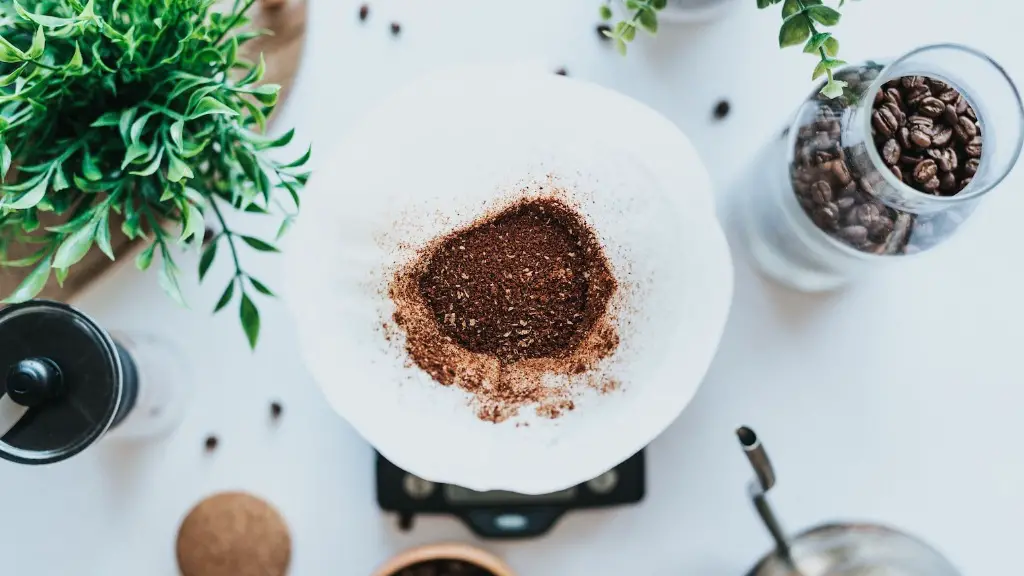
Grinded coffee beans are available almost in every kitchen, and although when brewed, the coffee loses its caffeine content, babies are often ready for bed once mothers finish drinking coffee. This leads to the conclusion that it is best for the baby to avoid consuming coffee beans in any form.
The smell of coffee on the baby’s breath can also be a sign of caffeine consumption, so in cases like this, it is for the mother to evaluate her intake of coffee to be sure there is no harmful effect on the baby’s health. Remember that even if the smell of coffee can be present in the baby’s breath, there are other alternative beverages and food that have been aromatized to smell like or with coffee, so it is important to consider all the possibilities.
Caffeine Effects on Mothers while Breastfeeding

Caffeine passes in the mother’s system through the placenta while the baby is being carried, so it is also important to consider potential effects of it on the mother’s own health. Studies have concluded that mothers who consume more than 300 milligrams of caffeine daily during the lactation period have shown signs of deficiencies in terms of energy and had problems sleeping, instances of restlessness and headaches.
Still, according to the American Academy of Pediatrics, the mother’s total daily espresso consumption should not exceed 300 milligrams, and any beverage could replace one cup of coffee in order to meet the limit. Additionally, it is worth considering that while personally consuming coffee and other caffeinated beverages, mothers should weigh the potential benefits against the potential harms, as well as consider the risks in terms of the baby.
Reducing Caffeine Intake during Breastfeeding
When it comes to reducing caffeine intake, doctors opt for mothers to switch to decaffeinated beverages, like tea. Different antioxidant-rich herbal teas like peppermint, chamomile, rooibos and green tea can actually help reduce anxiety, quantity of milk production and help with important digestion processes, apart from helping the mother rest and enjoy a good night’s sleep.
By monitoring one’s daily caffeine intake, the mother can help rule out the effects over the baby’s wellbeing, apart from being aware of the potential benefits on her own health. In most cases, it is better that mothers limit themselves to one or two cups of regular coffee daily, or a cup of decaffeinated espresso if they wish.
Eating Foods Containing Caffeine

Caffeine can also be found in certain food.These popular foodstuffs include: dark chocolate, energy drinks, nuts and some types of ice cream. Eating these kinds of food while pregnant or breastfeeding can be beneficial as they contain beneficial minerals, but they should be consumed in moderation in order not to consume large doses of caffeine that may lead to health problems. Food high in caffeine should also be consumed few hours before bedtime, as this can interfere with sleep and normal routines.
It is also important to mention that particular medications can also contain high levels of caffeine, so it is essential for mothers to be aware of this, and check the labels and seek the advice of a medical professional if needed. All together, coffee should be consumed in moderation and shouldn’t be avoided completely, as the body could suffer from a lack of necessary energy.
Benefits of Caffeine
Though it is important to limit coffee consumption while breastfeeding as much as possible, there are some benefits associated with caffeine. Small amounts of caffeine have proven to reduce the risk of dementia and improve focus, but it is essential to remember that large doses of caffeinated substances can cause restlessness and interrupt the sleeping routine.
According to the American College of Obstetricians and Gynecologists, moderate consumption of caffeine is not harmful, and should not be completely avoided while breastfeeding – however, they do recommend that pregnant and nursing women should keep their daily consumption to 300 milligrams or less.
Final Thoughts

Coffee can be good for mothers during the breastfeeding period, specially since it contains vitamins and minerals that could provide the mother with enough energy to complete her daily tasks. Still, mothers should be aware of the limitations of it. In the case of espresso, the mother should limit her consumption to one or two cups of coffee daily, or opt for decaffeinated coffee if possible.
To replenish the body’s fluids, the mother can also opt for different types of herbal teas, milk or yogurt drinks, or other caffeine-free substitute beverages. If a mother consumes coffee, she should not forget to take an extra cup of water daily to compensate for the diuretic effect of the caffeine. And lastly, food items high in caffeine should be consumed a few hours before bedtime, to not disrupt the baby’s sleeping routine.
