
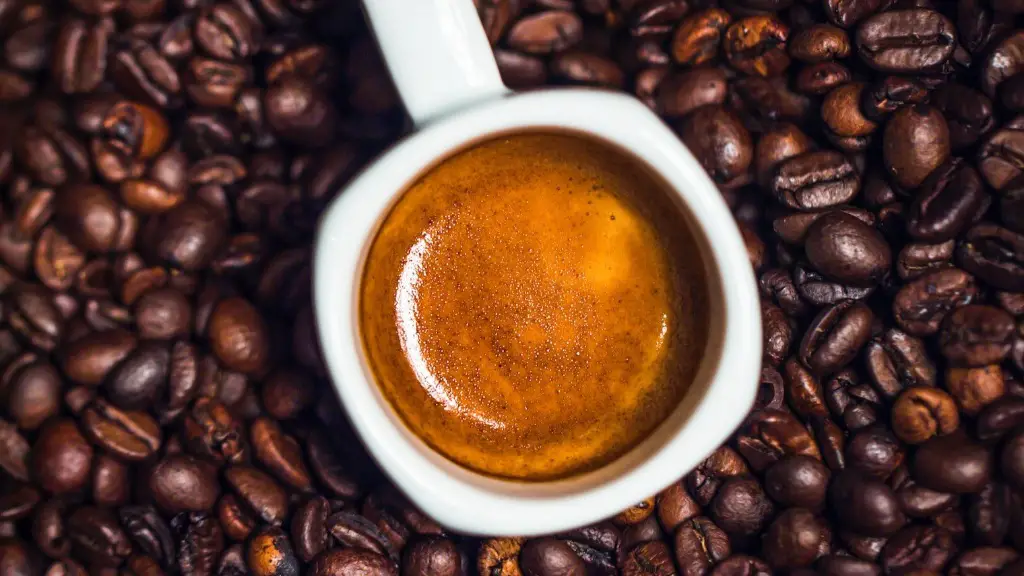
Coffee is a beloved beverage but is it safe if you have hypertension? Coffee can contain a large amount of caffeine, a stimulant that can increase heart rate and blood pressure. Even consuming coffee in moderation can have immediate effects on the cardiovascular system, which can become more serious if you have higher-than-normal levels. Doctors have only recently begun to explore the potential health risks associated with coffee consumption and hypertension.
Studies have been conducted to investigate the effects of coffee on people with hypertension. Research suggests that coffee can indeed increase blood pressure, albeit briefly. However, this effect is often short-lived and does not cause any long-term problems. Some research has even suggested that drinking coffee regularly may have benefits for those with high blood pressure, including a reduced risk of stroke.
Of course, there are always risks and benefits associated with drinking any kind of beverage. Caffeine is known to constrict blood vessels, which can lead to increased blood pressure in some people. On the other hand, the antioxidants in coffee may help reduce cardiovascular disease. The key is moderation. When it comes to drinking coffee, it is generally recommended that people with hypertension limit their intake to no more than two cups per day, and even fewer if they have other health issues.

It is important to note that the effects of coffee on hypertension can vary from individual to individual. Different people react differently to different amounts of caffeine. It is always a good idea to consult with your doctor before starting any new habit. Your doctor can evaluate your specific health issues and adjust your recommendations accordingly.
So, can you drink coffee when you have high blood pressure? The answer is, maybe. It all depends on your individual case and what your doctor recommends. While drinking coffee may have short-term effects on your blood pressure, these effects are generally short-term and don’t have long-term implications. Moderate consumption of coffee, when done with caution and under the guidance of a doctor, is considered safe for those with hypertension.
Other Causes of High Blood Pressure
High blood pressure is a serious health condition that can lead to some of the most common cardiopulmonary diseases such as strokes, heart attacks, and hypertension. The factors that are known to be associated with hypertension range from lifestyle factors such as smoking and alcohol consumption, to medical conditions such as diabetes and kidney conditions.
Some of the other causes of high blood pressure are stress, unhealthy diets, and a sedentary lifestyle. Stress is particularly relevant in regards to hypertension. Stress can increase the body’s production of cortisol, which can lead to an increased heart rate and heightened blood pressure. Unhealthy diets, on the other hand, can lead to weight gain, which can also increase the risk of hypertension.
Finally, leading a sedentary lifestyle can have significant impacts on your health. Studies have shown that being physically active can reduce the risk of hypertension. Regular exercise can help regulate the body’s blood pressure and can reduce the risk of hypertension in some cases. Additionally, regular physical activity can also help reduce stress and promote healthy dietary habits.
Tips for Managing High Blood Pressure
Once you have been diagnosed with high blood pressure, it is important to take action. High blood pressure can be managed through lifestyle modifications if necessary. Some of these lifestyle modifications include quitting smoking, maintaining a healthy weight, eating a balanced diet, keeping stress under control, and getting enough exercise.
These lifestyle modifications can help reduce the risk of long-term complications associated with high blood pressure. Additionally, regular exercise can help maintain healthy blood pressure levels and keep the heart healthy. It is recommended that those with hypertension engage in regular physical activity for at least 30 minutes a day.
In addition to lifestyle changes, certain medications may be prescribed by a doctor to help lower blood pressure. Such medications can be helpful in managing hypertension, but it is important to talk to your doctor about any potential risks associated with medications. Furthermore, it is important to monitor your blood pressure regularly, either through home monitoring or with the help of a medical professional.
Lifestyle Habits to Avoid

There are some lifestyle habits that can contribute to or worsen high blood pressure. These include smoking and drinking alcohol. Smoking can put added strain on the cardiovascular system, and long-term smokers often have higher-than-normal levels of blood pressure. Additionally, consuming too much alcohol can have similar effects, and can also lead to other serious health issues.
It is also important to avoid certain foods when managing high blood pressure. This includes processed and fried foods, which can contain unhealthy amounts of salt and saturated fats. Instead, foods with higher levels of potassium and fiber such as fruits, vegetables, and whole grains are recommended for people with hypertension.
The amount of salt in one’s diet can have a major impact on hypertension levels. It is important to reduce or even eliminate your intake of salt, as this can help keep your blood pressure under control. Additionally, reducing stress levels can also help reduce blood pressure levels in some cases.
Natural Remedies for High Blood Pressure
There are several natural remedies that people with high blood pressure can use to manage their condition. One such remedy is meditation or relaxation techniques, which can help reduce stress and promote better blood pressure levels. According to research, deep breathing, mindfulness, and yoga are all effective relaxation techniques.

Herbal supplements are another popular natural remedy for hypertension. There are several herbs and supplements that can help naturally lower blood pressure, such as garlic, CoQ10, hibiscus, and omega-3 fatty acids. However, it is important to speak to your doctor before taking any herbal supplements, as some may interact with certain medications.
Finally, there are some foods known to have potential health benefits for people with hypertension. Such foods include citrus fruits, beets, and dark chocolate. Research has suggested that all of these foods may be beneficial in reducing blood pressure. However, it is important to remember that foods are just one part of a comprehensive hypertension management plan.
