
Urinary tract infections (UTIs) usually prompt us to review our hygiene habits, including our fluid intake. This often causes us to wonder if drinking coffee is safe when we have a UTI. The answer is complex and depends on the individual.
Let’s start with a look at what UTIs are and why it’s important to moderate the intake of caffeine-containing liquids like coffee when you have one. A UTI is an infection that occurs when bacteria enter your bladder and start multiplying rapidly. One of the main symptoms of a UTI is an intense, burning sensation when you urinate, which can, of course, be prevented or improved by drinking plenty of fluids. At the same time, you should try not to drink too much caffeine-containing beverages, as these can act as diuretics, making it even harder to flush out bacteria.
Another thing to think about when deciding whether to drink coffee when you have a UTI is how often you drink coffee. If you’re a regular coffee drinker, it may be difficult to cut it out completely from your diet. However, it’s important to reduce your consumption of coffee when you have a UTI as it can worsen your symptoms. So, if you must have coffee, keep consumption to times when symptoms aren’t severe and don’t overdo it. One or two cups a day is probably ok. On the other hand, if you don’t usually drink coffee, it’s best to avoid it altogether until your UTI is gone.

We also need to consider not just the amount of coffee you are consuming but also the form of the coffee. When you have a UTI, it’s best to avoid coffee that is highly caffeinated or has added sugars or sweeteners. Some experts suggest that black coffee is the best option if you must indulge. This is because it has the least amount of added ingredients, which can irritate the lining of the bladder and potentially worsen your UTI.
Ultimately, drinking coffee when you have a UTI is a complicated issue. For the most part, it’s probably better to avoid coffee or significantly reduce your caffeine intake when you have a UTI. However, if you must have coffee, make sure to limit your consumption to two small cups a day and opt for black coffee with no added ingredients. Then, be sure to drink lots of plain water to help flush out bacteria and reduce symptoms.
Hydration and UTIs
One of the best ways to prevent and treat urinary tract infections is to stay hydrated. When you drink plenty of fluids, the bacteria that cause UTIs are flushed out of your system more quickly. This can help reduce your risk of infection and make it easier to treat the infection if one does develop. However, it’s important to note that not all fluids are created equal when it comes to preventing and treating UTIs. When deciding which fluids to drink, keep in mind that electrolyte-rich fluids (like sports drinks) and caffeinated beverages (like coffee) can be diuretics, which means they can actually make it harder for your body to flush out bacteria.
The best way to stay hydrated and reduce your risk of UTIs is to drink plenty of water. Water helps to flush bacteria out of your system and can dilute the concentration of the infection-causing bacteria in the bladder. You should also avoid drinking alcohol, as this can worsen your symptoms and make the infection more difficult to treat. Additionally, cranberry juice is an age-old remedy for UTIs, as the tart juice can help to flush out bacteria.
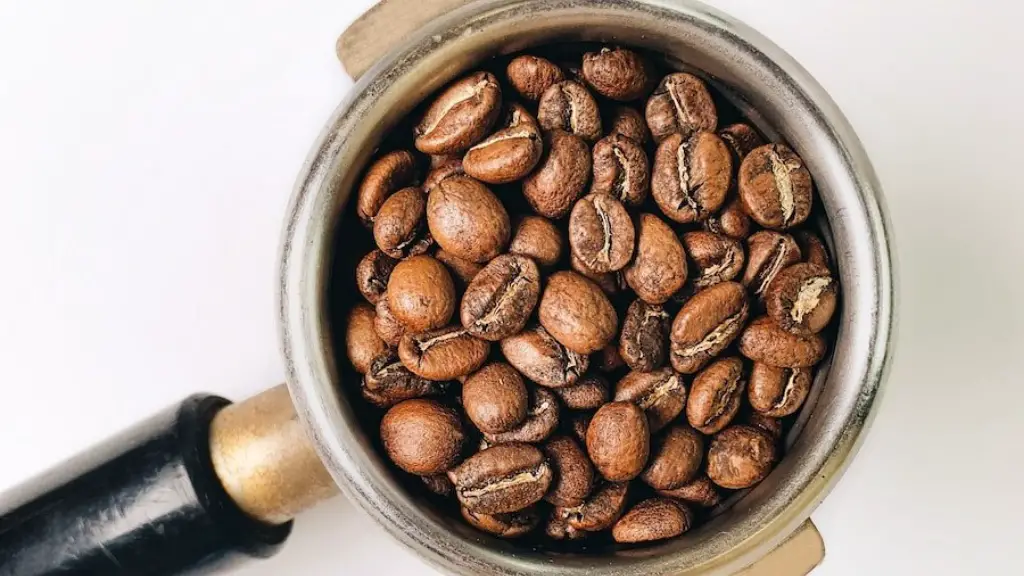
Staying hydrated is essential for UTI prevention and treatment, and it essential to drink the right kind of fluids. Water is a good option, as is cranberry juice. However, you should avoid alcohol, caffeinated beverages, and highly sweetened beverages, as these can worsen your symptoms and make it harder for your body to fight off the infection.
Dietary Choices for UTIs
Diet is also an important factor in UTI prevention and treatment. The right diet can help to boost your immunity and make it easier for your body to fight off infection. In general, a diet rich in fiber, vitamins, and minerals is best. This includes plenty of fruits and vegetables, as well as lean proteins, complex carbohydrates, and healthy fats. Eating probiotic foods, like yogurt and kefir, can also help to boost your immunity and reduce your risk of infection.
It’s also important to avoid processed and sugary foods, as these can weaken your immune system and make it harder for your body to fight off infection. Additionally, high-protein diets can also increase your risk of infection, so it’s best to focus on consuming adequate amounts of all the essential nutrients.
When trying to prevent and treat urinary tract infections, a balanced diet is key. Eat plenty of fruits and vegetables, lean proteins, and complex carbohydrates. Also, include probiotic foods, like yogurt and kefir, to help boost immunity. Avoid processed and sugary foods, as these can weaken your immune system and make it harder for your body to fight off infection. Additionally, high-protein diets can also increase your risk of infection, so it’s best to focus on consuming adequate amounts of all the essential nutrients.
Supplements for UTIs

In addition to following a healthy diet, there are several supplements you can take to help prevent and treat UTIs. Vitamin C is a good option, as it can help reduce the severity of your symptoms and make it easier to fight off infection. Additionally, probiotics and herbs, such as Echinacea, goldenseal, and cranberry extract, can also help to boost immunity and reduce the risk of infection.
If you’re prone to getting UTIs, it may also be helpful to take a daily supplement that contains all of these ingredients. This can help to boost your immunity and make it easier for your body to fight off infection. Additionally, these supplements can also help to reduce inflammation and speed up healing, making them a good option for anyone prone to UTIs.
There are several supplements that can help prevent and treat urinary tract infections. Vitamin C is a good option, as it can help reduce the severity of your symptoms and make it easier to fight off infection. Additionally, probiotics and herbs, such as Echinacea, goldenseal, and cranberry extract, can also help to boost immunity and reduce the risk of infection. If you’re prone to getting UTIs, it may also be helpful to take a daily supplement that contains all of these ingredients.
UTI Prevention Tips
The best way to deal with a UTI is to prevent it in the first place. Here are some tips for reducing your risk of UTIs:
- Drink plenty of water.
- Wear breathable underwear and clothing.
- Wipe from front to back after using the bathroom.
- Avoid douching or wearing tight clothing.
- Urinate after sex.
- Avoid holding in your urine.
- Clean the genital area and urinate after taking a bath or shower.
- Empty your bladder completely after urinating.

Following these tips can help reduce your risk of developing a UTI. Additionally, making dietary and lifestyle changes, like avoiding caffeine and getting regular exercise, can also help reduce your risk.
Determining When to See a Doctor
If you are experiencing any symptoms of a UTI, it is important to see a doctor for proper diagnosis and treatment. Common symptoms of a UTI include a frequent urge to urinate, painful urination, a burning sensation when urinating, cloudy or bloody urine, and lower back pain. Additionally, a fever and chills may also be present if the infection has spread to the kidneys.
Your doctor will likely do a physical exam and take a urine sample to help determine if you have a UTI. If you do, they will prescribe antibiotics to treat the infection. Be sure to take the full course of antibiotics to completely get rid of the infection.
If you are experiencing any of the symptoms of a UTI, it’s important to see a doctor. A doctor can diagnose the infection and prescribe antibiotics to clear it up. Additionally, following UTI prevention tips, like drinking plenty of water and avoiding caffeine, can help reduce your risk of developing a UTI in the first place.
