
When is the best time to drink coffee during the day?
When it comes to drinking coffee while intermittently fasting, opinions vary. Some doctors and nutritionists recommend that people should avoid coffee altogether during the fasting period, while others say it’s okay to consume a small cup of joe in the morning hours. There’s also the debate about whether or not caffeine itself will interfere with the fasting process. It’s important to weigh the pros and cons of drinking coffee while fasting in order to decide what’s best for you.
Coffee is naturally high in caffeine, which is an essential stimulant and a necessary factor for optimal mental and physical performance. Caffeine is also known to promote the secretion of adrenaline, which helps to alert the mind and body. In terms of intermittent fasting, some experts suggest that the presence of caffeine may create an extra boost that helps with the body’s fat burning processes. In addition, consuming caffeine may increase energy levels, as well as motivation and focus.
On the other hand, some research suggests that consuming caffeine during intermittent fasting may interfere with the body’s ability to achieve optimal fat burning potential. This is because caffeine has been found to increase insulin levels, which could interfere with the fat burning process. On top of that, coffee can act as an appetite suppressant, which may cause people to eat less during their fasting periods.

Overall, the key is to find the right balance between coffee consumption and your fasting routine. Some people may find that they can tolerate a cup of coffee in the morning while still seeing good results with intermittent fasting. On the other hand, others may find that even a small amount of caffeine disrupts their fasting process. Ultimately, it’s important to experiment to find out which approach works best for you.
Does Coffee Help To Break The Fast?
The answer to this question largely depends on the type of intermittent fasting you are following. Some intermittent fasting diets prefer that you focus on nutrient-dense foods and beverages during the “feeding window” to provide your body maximum nutrition for health and longevity. However, those following a 16:8 or 18:6 fasting method may be able to consume coffee, as caffeine is considered a “nil-calorie” beverage and does not provide any nutritional value.
When considering whether or not to break the fast with coffee, one important factor to consider is whether or not the caffeine will interfere with your hunger levels. Some people may find that the caffeine from coffee helps to suppress appetite, which can help them better manage the fasting period. On the other hand, those who are more sensitive to caffeine may find that the jolt of energy causes them to become more aroused and craving foods.
In any case, it is important to listen to your body and understand your unique needs and preferences when it comes to breaking your fast. If you’re finding that consuming coffee in the morning is making it harder to stick to your fasting plan, then it may be beneficial to avoid it altogether.
Which type of coffee should be consumed when you’re doing intermittent fasting?
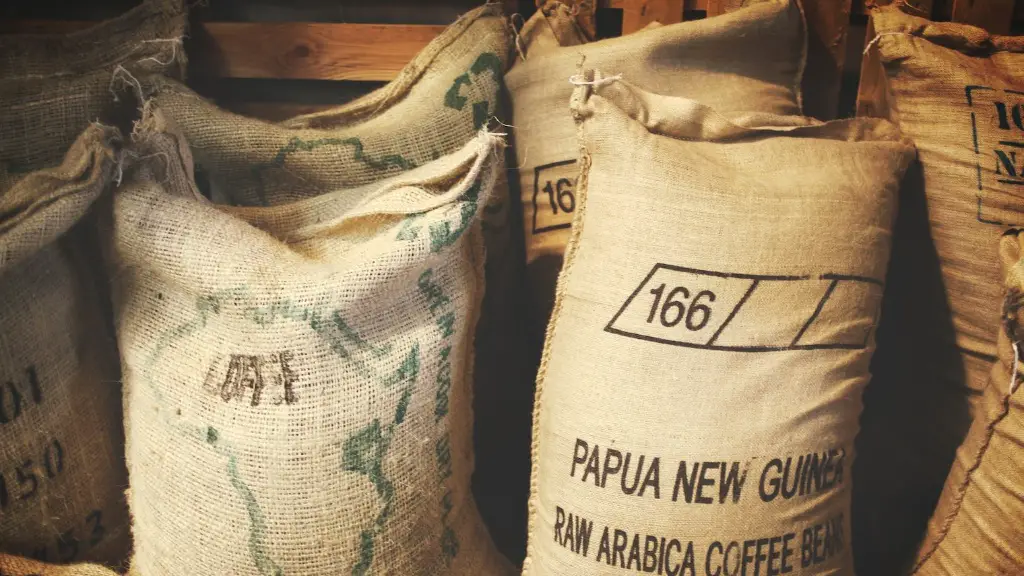
For those who plan on drinking coffee while intermittently fasting, it’s important to be conscious of the type and amount of coffee you are consuming. Some experts suggest that people should add fat to their coffee in order to slow down the release of caffeine and maximize its effects. Adding a spoonful of coconut oil or butter can help to slow down the absorption of caffeine and extend the effects of your coffee into the afternoon and evening.
It’s also important to pay attention to the quality of coffee you are consuming. Organic and shade-grown coffees are the best option, as they have been found to contain more antioxidants than non-organic varieties. Furthermore, it’s also important to opt for coffee that is free from additives, such as flavoring, sweeteners, and refined sugars. These types of coffees may provide a quick and temporary boost of energy, but can also interfere with your fasting and disrupt your hormonal balance.
How much coffee is recommended when you’re doing intermittent fasting?
Most experts agree that 1-2 cups of coffee should be more than enough when using intermittent fasting. Anything beyond this amount may interfere with the fasting process and lead to negative side effects, such as anxiety, digestive issues, and headaches. Additionally, it’s important to keep in mind that the quality of your coffee matters. If you’re consuming a high-quality, organic coffee with low levels of caffeine, then it may be alright to have a cup or two, as long as it doesn’t interfere with your hunger levels or break the fast.
It’s also important to be mindful of when you’re consuming your coffee. Those who are sensitive to caffeine may find that if they have it too late into the day, it could interfere with sleeping patterns. The best time to consume coffee is usually in the morning, as this can help people remain energized throughout the day without disrupting the circadian rhythm.
Conclusion

In conclusion, it is possible to drink coffee while intermittently fasting, but it is important to do so in moderation. Some people may be able to get away with having a single cup of coffee in the morning, while others may find that even this amount of caffeine is too much for their bodies to handle. In any case, it’s important to experiment and find out which coffee consumption works best for you and your lifestyle.
