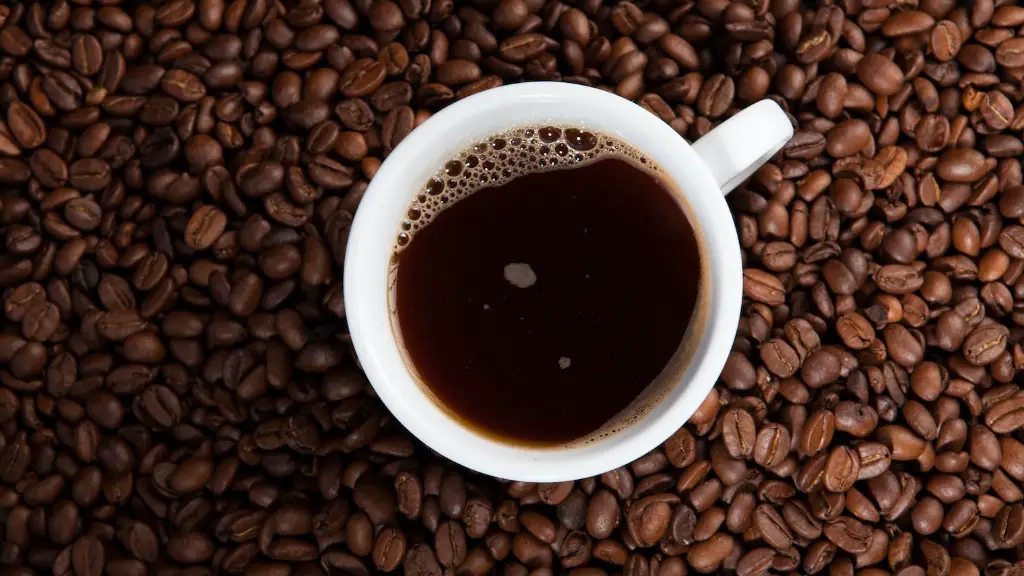
When it comes to losing weight and adhering to a healthy lifestyle, many of us understand that what we drink is just as important as what we eat. Coffee is a popular beverage choice to help keep us feeling energized and alert throughout the day, but is it possible to drink coffee and still lose weight?
Coffee in itself contains almost no calories and is generally accepted as a low-calorie drink. However, coffee can become higher in calories when it’s combined with syrups, creamers, sweeteners, and toppings. For anyone looking to shed a few extra pounds, it’s important to consider the types of coffee you’re drinking each day and how adding extras like sweet syrup can make your cup of coffee add up quickly.
Drinking coffee can be instrumental in helping to reduce the feeling of hunger. A cup of coffee can work as an appetite suppressant by suppressing the release of ghrelin, an appetite-stimulating hormone. Studies also suggest that drinking coffee can kick-start the metabolism and speed up the process of burning fat. Because of this fact, many fitness professionals recommend adding coffee to a healthy diet to increase the effects of weight loss.

Caffeine, the main stimulant found in coffee, has been shown to increase the heart rate and can act as a diuretic to help flush unwanted toxins from the body. One study in particular showed that consuming caffeine can increase the number of calories the body burns by 16%. While the effects of caffeine are up for debate, using it responsibly as part of a weight loss plan is generally accepted.
For those who enjoy the flavor of coffee but avoid its potentially stimulant-like effects, decaffeinated coffee can be an attractive option. Unfortunately, the decaffeination process can change the aroma and flavor of the coffee, and it has been found that caramelization of the beans can add energy-dense calories to the drink. Because of this, it’s important to consider how adding milk, creamer, and sweetener can make a difference in the calorie count of your brew.
Although coffee may be beneficial to a weight loss plan, moderation is essential. Too much caffeine can lead to insomnia, anxiety, agitation, and restlessness, so choose quality coffee in moderate amounts. Furthermore, one should be aware that too much caffeine can act as a diuretic and causes dehydration, which is the last thing you need when trying to stay energized and lose weight.
Stevia
Stevia is a natural sweetener that gives coffee a delightful sweetness without any of the calories that come from sugar. Unlike artificial sweeteners, stevia is calorie-free and adds no carbs to your diet. In fact, certain studies have suggested that stevia can help to reduce blood glucose levels. What’s more, stevia is packed with nutrients, and its extracts can be used as a substitute for sugar in many recipes, from baked treats to jams and jellies.
Supplements

There are many supplements on the market meant to help with weight loss. Some of these supplements contain caffeine, which could potentially be detrimental to those who are sensitive to its effects. While most supplements meant to help with weight loss contain stimulants, it is important to always read the label before using these supplements, as some can interact with other medications.
For some people, food or caffeine can be addictive in nature so learning to monitor our intake with mindful eating is important. For example, mindful eating encourages individuals to pay attention to the physical sensations they experience while they are eating, such as hunger and fullness. Not only does this help with weight loss efforts, it also helps individuals to form better eating habits.
Mindful Drinking
Drinking coffee as part of a healthy lifestyle should be approached in the same way as mindful eating. Drinking coffee can be enjoyable and beneficial, but too much can lead to dependency and fatigue. Be aware of how you feel after each cup of coffee and how it affects your energy levels. Also, if you choose to add creamer or sweeteners, add only those that are low in calories and have a low glycemic index.
When it comes to drinking coffee and weight loss, moderation is key. If you find that you’re drinking too much coffee or reaching for high-calorie extras, it might be time to switch to a lower-calorie alternative like tea or decaffeinated coffee. It can be a balancing act, but by paying attention to the quality of the coffee you drink and the amount of calories you take in with it, you should be able to drink coffee while still successfully managing your weight.
Snacks
Whether you’re looking to cut calories or just trying to reduce cravings, healthy snacks can be beneficial. Opting for healthier snacks such as fruit, nuts, and seeds can help keep hunger at bay and provide your body with the nutritional value it needs. Whole-grain snacks can also be helpful as they can provide loads of fiber without the added fat and calories.
Exercise
When it comes to weight loss, exercise is essential. Not only does exercise help to keep the body active and fit, but it can help to reduce short-term hunger and cut calories. Exercise also helps to improve energy levels and physical strength, making it easier to maintain a healthy weight in the long run.
Sleep
A good night’s sleep can be beneficial to weight loss efforts. Studies have shown that we are more likely to make bad food choices when we are tired and lack sleep. Aim to get around 7 to 8 hours of sleep each night to reset your hormones and prevent food cravings.
