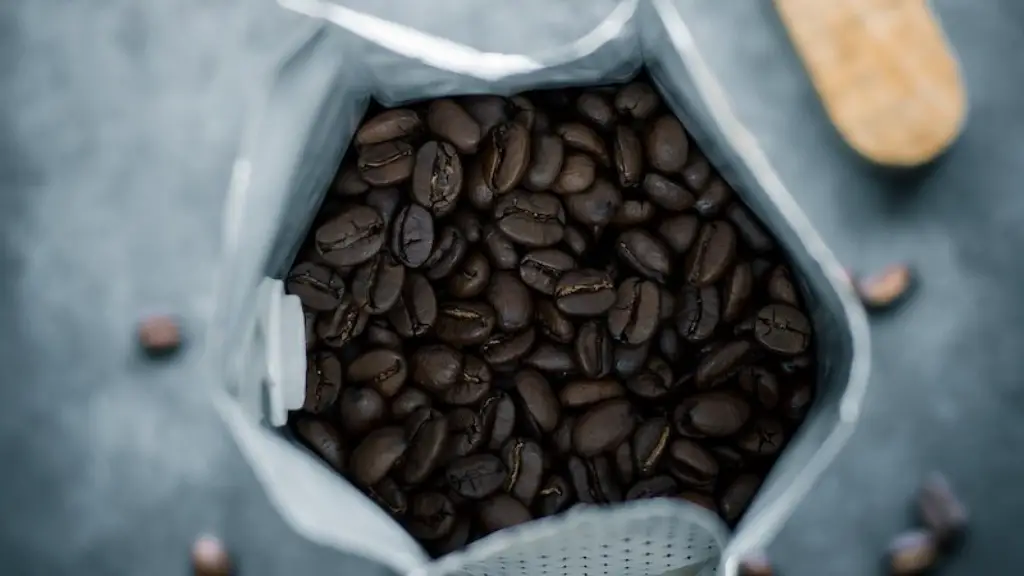
Are you a coffee drinker and want to whiten your teeth? Studies show that most people like to drink coffee but don’t know if it’s safe to do while whitening their teeth. The answer is yes – you can drink coffee while teeth whitening, but dentists recommend reducing your coffee intake while the treatment is occurring.
Coffee is well-known to stain the teeth and contributes to discoloration. When you look at the inner mechanism of teeth whitening you realize that drinking coffee will affect the efficiency of the bleaching process. While the dental bleaching gel is actively working to break down stains on the enamel, coffee can counteract the effects by staining it. Whitening your teeth naturally won’t be as effective if you drink coffee during the process.
Some studies have shown that people who drink coffee are more susceptible to teeth staining due to its compound composition, particularly chromogens and tannins. Teeth whitening products usually contain hydrogen peroxide which is effective for whitening teeth, but to achieve the best results, it is suggested to minimize or avoid coffee intake altogether. Dentists advise that if you must drink coffee while bleaching your teeth, it should be consumed in moderate amounts and swished with water afterward to reduce staining.
Dense Intake And Specifictiming
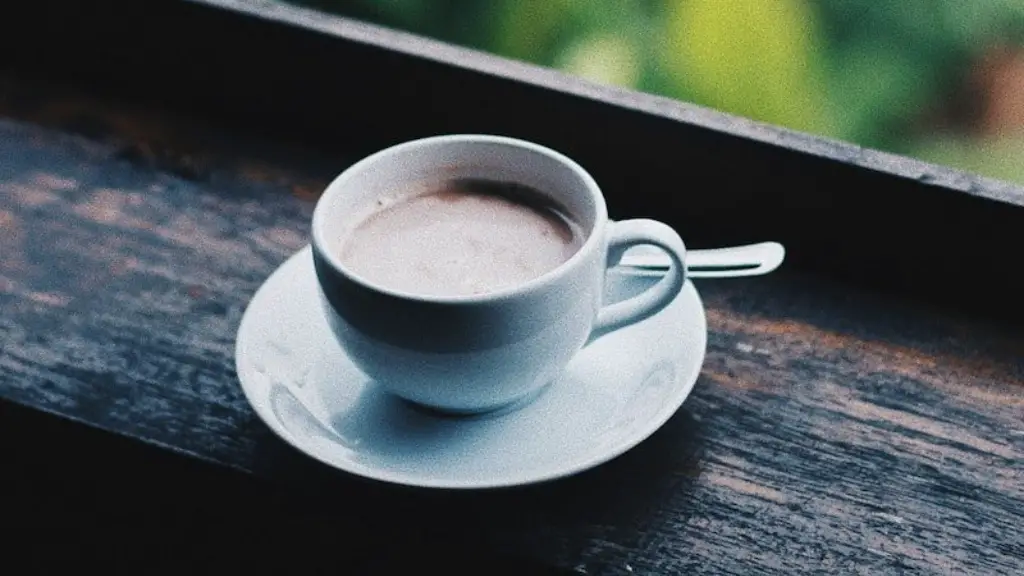
If you are trying to whiten your teeth at home, you should limit your daily coffee intake and pay attention to the timing of when you drink it. For example, it is advised that after whitening your teeth, you should wait at least 12 hours before drinking coffee. In other words, if you whiten your teeth at night, postpone your morning cup of coffee.
In addition, it is recommended to drink coffee as far away from the teeth whitening application as possible. With that said, if you do consume your daily dose of java, be sure to brush your teeth afterward. Doing this will keep any coffee stains from taking away from your newly-bleached pearly whites.
If you are considering professional teeth whitening instead of an at home treatment, your dentist may recommend different instructions. During an appointment, the dentist can identify any potential problems with your teeth such as cavities, white spots, and decay – all of which may affect the success of the bleaching treatment. This means that, in some cases, your dentist may suggest limiting coffee consumption even more.
Caring For Your Teeth
Apart from not consuming coffee too close to teeth whitening, you need to also take other steps to care for your mouth during and after whitening. By taking the time to brush or floss your teeth regularly, you are helping to prevent plaque and other material from sticking to your teeth. Also, make sure to watch out for foods that can stain your teeth, such as those high in sugar or food coloring.

Drinking plenty of water after consuming coffee and other staining agents can also help keep your teeth looking bright and clean. This is due to the fact that water helps to break down and clean any particles that are left on the surface of your teeth. Additionally, using a toothpaste with whitening ingredients can help prevent future staining of your teeth.
Alternative Solutions
If you can’t reduce your coffee consumption, don’t want to give up drinking or can’t wait 12 hours after whitening your teeth, there are alternative ways to reduce staining. You can opt for toothpastes or gels that have been proven to remove stains caused by coffee. These products can be used to maintain your teeth in between professional teeth whitening treatments to keep them looking white and radiant over time.
Furthermore, some dentists may offer in-office teeth whitening where they apply a high concentration of hydrogen peroxide to the teeth for fast and impressive results. By getting your teeth professionally bleached, you don’t have to worry about reducing your coffee intake or taking other steps to care for your teeth. Professional teeth whitening can last up to 6 months with the right amount of maintenance.
The Bottom Line
For those of you who are looking to get the best results from your teeth whitening, it’s advisable to reduce your daily coffee intake while in the process. Luckily, this doesn’t mean quitting coffee altogether – just drinking it in moderation. Additionally, brushing your teeth after consuming it and using whitening toothpastes can also help minimize staining.
Non-Dental Solutions

Besides the dental remedies, there are other solutions you can do to prevent coffee from staining your teeth. One of the most popular non-dental remedies to avoid coffee staining is to use a straw. By drinking your coffee with a straw, you are avoiding that it comes in contact with your teeth. If a straw isn’t an option, you can also opt for cold brewed coffee instead. Cold brewed coffee has been proven to contain fewer tannins and other staining agents.
Another well-known method to prevent coffee stains is to use a tea to rinse your mouth after drinking it. A study conducted by the University of Michigan showed that applying a black tea rinse to your teeth can help reduce staining. The act of rinsing is just as important since it helps clear away any excess coffee that can lead to discoloration.
Combination Solutions
Finally, you can always combine several solutions to get the best possible results. Combining professional teeth whitening with regular at home treatments, such as using a straw and brushing more often, can improve your results exponentially. Another combination of solutions is drinking coffee in moderation and using whitening toothpaste and mouthwash to maintain your results over time.
DIY Solutions
DIY teeth whitening sounds like a feasible option, but in most cases, it is not recommended. DIY teeth whitening solutions usually contain a mixture of baking soda, hydrogen peroxide, and other natural ingredients. Unfortunately, these ingredients are too abrasive for the enamel, and can end up damaging your teeth. Additionally, DIY solutions may not provide the same results as professional teeth whitening and could lead to further discoloration.
Takeaway

Drinking coffee while teeth whitening can inhibit the effects of teeth whitening treatments, but that doesn’t mean it’s not possible. The trick is to limit your daily consumption and stay away from acidic or sugary beverages. Additionally, using DIY solutions should be avoided as they can cause more damage than good. Instead, combine professional treatments with at home techniques like using a straw and brushing more often.
