Can You Drink Coffee With A Hiatal Hernia?
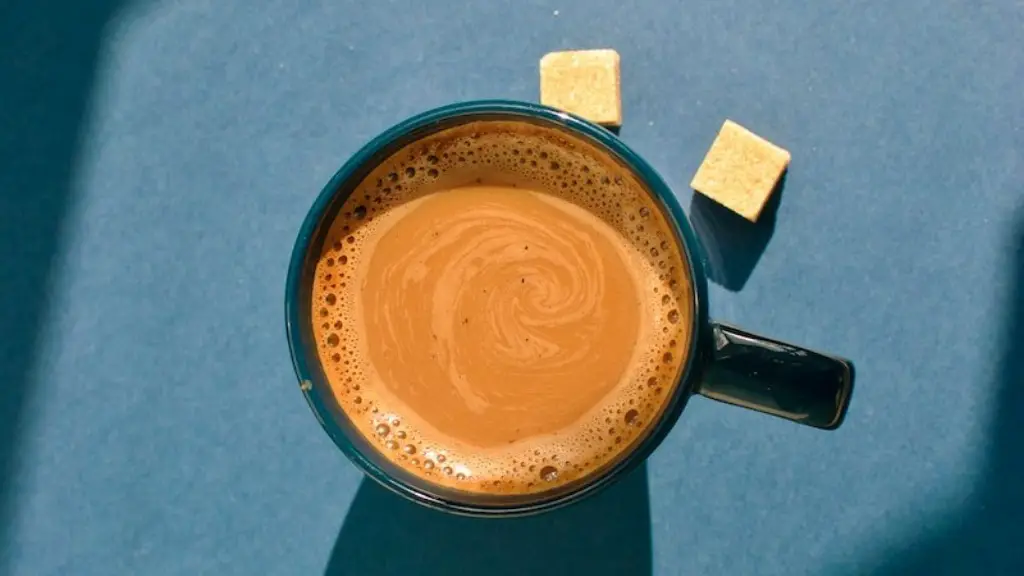
Coffee is an incredibly popular beverage, but if you have a hiatal hernia, there are some important considerations before consuming it. Hiatal hernias are most common in people over the age of 50 and can cause a variety of issues, including chest pain, difficulty swallowing, heartburn, nausea and difficulty digesting certain foods. Coffee, in particular, can worsen the symptoms of a hiatal hernia, so it is important to understand the potential risks and benefits before deciding whether or not to drink it.
A hiatal hernia occurs when a portion of the stomach or the diaphragm tissue protrudes through the diaphragm, which connects your stomach to your chest cavity. This can cause food and liquids to reflux, or rise up, into the esophagus. This can cause a burning sensation in the chest and pain when swallowing, otherwise known as heartburn. Coffee is a common trigger for these symptoms, as the caffeine can cause the lower esophageal sphincter to relax, increasing the likelihood of stomach acid refluxing into the esophagus.
However, just because coffee can worsen hiatal hernia symptoms, it doesn’t mean that it should be avoided altogether. Certain lifestyle and dietary modifications can help reduce symptoms, such as avoiding fried and spicy foods, cutting down on caffeine intake, and eating smaller meals throughout the day instead of large meals. Additionally, certain natural and over-the-counter remedies can help reduce heartburn, such as taking antacids and chewing gum to ease the reflux of stomach acids.

In addition to these preventative strategies, some experts suggest that consuming coffee in moderation may actually reduce the risk of developing a hiatal hernia. A 2013 study found that people who drank coffee on a daily basis were less likely to be diagnosed with a hiatal hernia. However, this study did not address whether or not coffee has any direct effect on people who already have a hernia – only that people who drink coffee may be less likely to develop one.
Ultimately, it is up to each individual to decide whether or not coffee is the right beverage for them. If you have a hiatal hernia, it is recommended that you speak to your doctor to discuss your individual situation and the risks and benefits of consuming coffee.
Caffeinated Beverages Other than Coffee
Although coffee is one of the most popular caffeinated beverages, it’s not the only one. Other caffeinated beverages like tea, soda, and energy drinks can also cause hiatal hernia symptoms to worsen. Caffeine triggers refluxing stomach acid, so even beverages with low levels of caffeine can cause symptoms. It is important to carefully read labels on beverages to check for the presence of caffeine before consuming.
In some cases, the caffeine found in other beverages can be beneficial. For instance, caffeine can stimulate the vagus nerve, which can cause the lower esophageal sphincter to close and reduce the risk of refluxing stomach acid. In addition to this, caffeine can act as a mild digestive stimulant, which can increase stomach acid production and aid in digestion.
However, it is important to remember that too much caffeine can be detrimental. Caffeine can cause dehydration, which can contribute to hiatal hernia pain. In addition, high levels of caffeine can increase blood pressure and heart rate, which can worsen chest pain associated with hiatal hernias.
Drink Coffee in Moderation
If you are considering drinking coffee with a hiatal hernia, it is important to drink it in moderation. This means limiting yourself to one or two cups of coffee per day. In addition, you should avoid adding any high-fat creams or sugars to your drink, as these can increase your risk of refluxing stomach acid.
Additionally, it is important to take the time to find the right type of coffee. Certain types of coffee can have high levels of acidity, which can trigger hiatal hernia symptoms. You should look for coffee that is labeled low-acid or light-roast, so that you can reduce the risk of exacerbating your symptoms. If you’re unsure, it is best to talk to your doctor and get their opinion on what types of coffee are best for you.
Alternative Drinks
If you suffer from a hiatal hernia, it is important to limit your intake of caffeinated beverages. If you’re looking for an alternative to your daily cup of joe, there are plenty of options. Depending on the severity of your symptoms, non-carbonated beverages can be consumed without triggering heartburn. For instance, many people find that herbal teas, seltzers, smoothies, and milk are safe to drink. In addition, there are plenty of decaffeinated coffees and teas available on the market, so you can still enjoy the flavor without the excessive caffeine.

If you find that your hiatal hernia symptoms are still bothering you after reducing your caffeine intake, it may be a good idea to try avoiding beverages altogether. Water is always the best option, as it is non-acidic and can help ease other stomach ailments. Drinking 8-10 glasses of water per day can help reduce hiatal hernia complications and make digestion more comfortable.
Considerations for Weight Gain
In some cases, hiatal hernia can cause issues with weight gain. Caffeinated beverages, including coffee, can act as a diuretic and can potentially lead to weight loss in some individuals. While weight loss may be desired by some people, it can also be a symptom of a serious underlying condition. Therefore, if you are thinking of drinking coffee to help with weight loss, it is a good idea to speak with your doctor first.
Caffeine is considered safe in small doses, and may have other beneficial properties, such as aiding in digestion. However, it is important to remember that too much coffee can worsen hiatal hernia symptoms, so it is best to stick to just one or two cups a day. Additionally, it is important to talk to your doctor before making any dietary or lifestyle changes, as they can help you determine the best course of action for managing your hiatal hernia symptoms.
Herbal Remedies for Hiatal Hernia
Although the best way to ease the symptoms of hiatal hernia is to reduce your caffeine intake, there are a few herbal remedies that may be able to help. Certain herbs, such as ginger, can reduce nausea and help relieve heartburn. In addition, peppermint and chamomile can be taken as a tea to reduce bloating and help ease digestive discomfort.

In some cases, supplementation with probiotics may help reduce symptoms. Probiotics are beneficial bacteria that can help restore balance to the digestive tract. Research has shown that probiotics may be beneficial in people with hiatal hernia, as they can help reduce stomach acid production and support the digestive system.
It is important to note that herbal supplements should never be taken without consulting a doctor first. Herbal supplements can interact with medications and other dietary supplements, so consult your doctor before taking any. Additionally, some herbs can be potentially dangerous if taken in high doses or if you have certain medical conditions, so it is best to speak with your doctor to determine whether or not you should take any herbal supplements.
Considerations Before Drinking Coffee with a Hiatal Hernia
If you suffer from a hiatal hernia, it is important to talk with your doctor before drinking coffee to determine if it is safe for you. Drinking coffee can worsen some symptoms and increase the likelihood of stomach acid refluxing into the esophagus. Therefore, it is recommended that people with hiatal hernias avoid or limit their consumption of coffee and other caffeinated beverages.
In addition to limiting your intake of caffeinated beverages, it is important to take other precautions to reduce the risk of developing or worsening hiatal hernia symptoms. This can include avoiding fried and spicy foods, eating smaller, more frequent meals, and taking over-the-counter antacids or other natural treatments, such as peppermint or chamomile tea. If you are unsure whether or not it is safe to drink coffee with a hiatal hernia, it is best to talk to your doctor to get their opinion.
