
Heartburn can be very uncomfortable and cause persistent suffering for many people. And for a majority of those, drinking coffee can make the pain even worse. But can you drink coffee if you’re suffering from heartburn?
Heartburn occurs when acid escapes from your stomach and enters back up your throat. Common symptoms are a burning sensation in your chest, chest pain or a feeling like there’s a lump in your throat. It can be made worse by eating certain foods and beverages, like coffee & tea
According to the American College of Gastroenterology, consuming excessive amounts of coffee can cause or worsen heartburn. Coffee is highly acidic, and the acidity can irritate your stomach and esophagus. This can result in an increase in stomach acid, making it easier for the acid to reach your throat and cause uncomfortable burning.
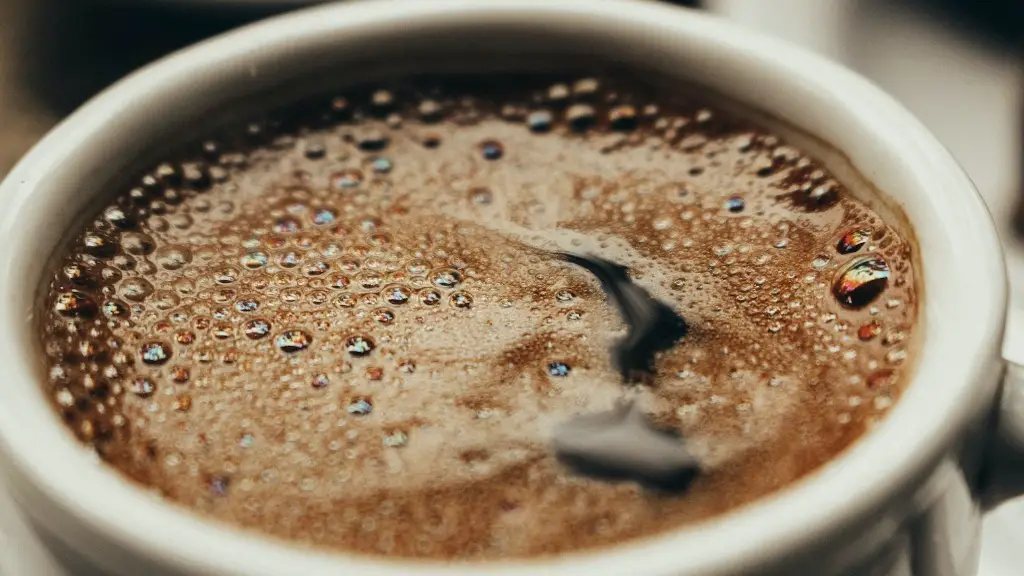
Alternatively, moderate caffeine consumption might actually reduce your risk of developing heartburn. Consumption of one cup of coffee per day could be beneficial for reducing esophageal reflux. This result is seen through a decrease in gastric acidity or increased oesophageal motility. So, coffee could potentially play a positive role in reducing your heartburn risk, rather than increasing it.
The type of coffee you drink can also have an important impact on your risk of suffering with heartburn. Caffeine-free alternatives such as decaffeinated coffee or herbal teas may be a good way of reducing caffeine intake while still providing the same benefits to taste and nutrition. However, the results of decaffeinated coffee have been mixed in the research, so it’s advisable to follow a low-acid diet if suffering from heartburn.
If you’re drinking coffee and experiencing heartburn, there are ways to reduce the severity. One of the key ways is to dilute your coffee with water or other liquid. Doing this will reduce the effect of the acidity on your stomach and esophagus.
It is also important to avoid any types of flavored or sweetened coffee, as these contain added sugars and other ingredients that can be detrimental to your digestive health and your overall health.

In conclusion, while there is no definitive answer to the question of whether you can drink coffee if you have heartburn, it is important to carefully consider the potential risks and benefits. There are risks associated with drinking too much coffee and consuming certain types of coffee, but there may also be potential benefits associated with moderate consumption. Ultimately, it is important to assess your own individual risk factors and make the decision that is best for you.
Risk Factors for Heartburn
Your individual risk factors can play an important role in determining whether you experience uncomfortable symptoms from consuming coffee. Genetics, diet, lifestyle, and preexisting medical conditions can all contribute to an increased risk of heartburn.
For example, individuals who are overweight are more likely to experience heartburn than those at a healthy weight. Excessive alcohol consumption or smoking tobacco can also increase the risk of heartburn, as can certain medications such as ibuprofen or aspirin.
It is important to consider all of these risk factors when deciding whether you should drink coffee. If you have any underlying risk factors, then it is probably best to avoid coffee or at least consume it in moderation.

People with preexisting conditions such as GERD, hiatal hernia, or ulcers may also be more sensitive to the effects of coffee and should take extra care. Speak with your healthcare provider to determine if it is safe for you to consume coffee.
Finally, it is important to remember that individual responses to coffee can vary. For some people, even small quantities of coffee may cause uncomfortable symptoms, while for others, coffee can be consumed in moderation without causing any problems.
Coffee Alternatives for Heartburn Sufferers
If coffee is causing you heartburn, there are many alternative hot drinks that you can enjoy. Herbal teas such as ginger, dandelion, or chamomile are a great choice, as they are naturally caffeine-free and can provide a range of health benefits. These teas can be enjoyed on their own or with a twist of lemon or honey. You can also enjoy decaffeinated coffee, or try espresso or iced coffee with added milk.
Hot chocolate or cocoa is another delicious alternative that can be enjoyed without the risk of heartburn. It is important to be mindful of added sugars and artificial sweeteners in these drinks, however, for those with diabetes or other health conditions.
Alternatively, you can also enjoy a range of cold drinks such as smoothies, milkshakes, or juices. Just be aware that these may contain high levels of sugar, so it is important to enjoy them in moderation and check the nutritional label before consuming.
The key takeaway is to experiment with different alternatives and find out what works for you. Everyone is different, and it is important to focus on finding the right drinks and foods that are compatible and enjoyable for your individual needs.
Tips for Managing Heartburn Symptoms
In addition to drinking coffee in moderation, there are a range of strategies that can be used to reduce the severity of heartburn symptoms. Proper hydration is important, as this helps to flush out the acid that is causing the burning. Try to drink at least 8 glasses of water per day and avoid drinking large amounts of liquid with meals.
Eating smaller meals more regularly can also help to reduce the intensity of symptoms. Try to avoid trigger foods such as spicy, acidic, and fatty foods, and limit the amount of alcohol that you consume.

Finally, it is important to try to reduce the amount of stress in your life. Stress can play an important role in increasing your risk of experiencing heartburn, so take the time to relax and take regular breaks.
There are also a range of lifestyle changes that you can make to reduce your risk of developing heartburn, such as quitting smoking, losing weight, sleeping on an incline, and avoiding tight clothing.
If symptoms persist despite making these lifestyle changes, speak to your healthcare provider. They may be able to recommend other treatments such as antacids or proton-pump inhibitors.
Research on Coffee and Heartburn
Scientific research on coffee and heartburn has risen dramatically in recent years. Many studies have demonstrated a link between coffee consumption and increased incidences of heartburn, while other studies have suggested potential beneficial effects. Unfortunately, the evidence is limited and more research is needed to fully understand the complex relationship between coffee and heartburn.
One study found that people who drank two or more cups of coffee per day were twice as likely to experience heartburn symptoms than those who drank one cup per day. Another study found that those who drank one cup per day were more likely to be symptom-free than those who did not consume coffee at all.
Other research has shown that decaffeinated coffee may actually reduce the risk of developing heartburn. However, the results have been inconsistent and more research is needed. It is also important to consider that decaffeinated coffee may still contain small amounts of caffeine, and so consuming decaf may not always be the best choice for those with heartburn.
Overall, the research suggests that caffeine is an important factor when it comes to heartburn, and so it is important to consider the amount of caffeine you are consuming if you are experiencing symptoms.
Be Mindful of Coffee Consumption
In summary, if you are suffering from heartburn, it is important to be mindful of the type and amount of coffee you are drinking. Excessive amounts of coffee can worsen symptoms, but moderate consumption may actually reduce your risk of developing heartburn. Speak to your healthcare provider if you have any concerns.
Ultimately, it is important to consider your individual risk factors and listen to your body. There are many alternative hot and cold drinks that you can enjoy without the risk of heartburn, and reducing the amount of stress in your life can also be beneficial.
By following these steps, you can make the necessary lifestyle changes to reduce your risk of experiencing uncomfortable symptoms and maintain a healthy lifestyle.
