
Decaf coffee is a popular drink choice for many people, due to its low caffeine content. But is drinking decaf coffee safe if you have a urinary tract infection (UTI)? Can decaf coffee worsen symptoms and make your infection worse?
UTIs are caused by bacteria that enters the urinary tract and causes irritation and inflammation. Symptoms of UTIs include a frequent urge to urinate, a burning sensation when urinating, a feeling of pressure or pain in the abdomen, as well as cloudy or bloody urine.
Drinking caffeinated coffee is known to stimulate the bladder and can lead to an increase in urinary urgency and frequency. Caffeine is also a diuretic and can lead to dehydration and an increased risk of infection.

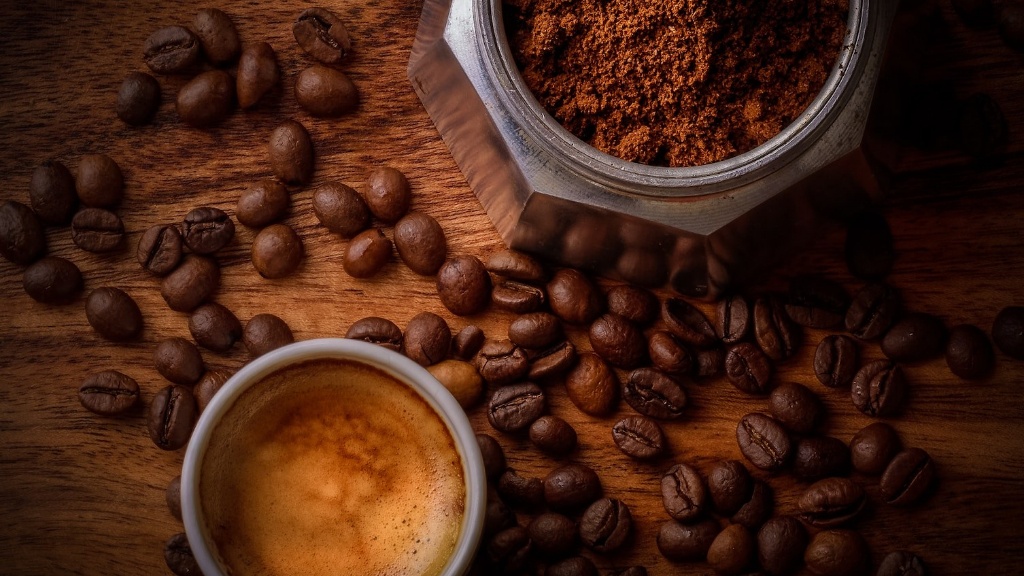
Decaf coffee, however, is made with 97-99% of the caffeine removed, and is much less likely to worsen UTI symptoms. In fact, research has shown that decaffeination process may help reduce the risk of bacteria in coffee and make it safer than caffeinated coffee, as to the effect on UTIs.
Since decaf coffee still contains a small amount of caffeine, some people may find that it still causes a reaction or worsen their symptoms ofUTI. In this case, it would be wise to avoid drinking decaf coffee, or any coffee for that matter, until the infection has cleared.
Drinking plenty of water and other fluids to stay hydrated is also important when you have a UTI, as it will help flush out bacteria and other toxins. Drinking water is the best way to ensure that you are hydrated, but otherwise plain decaf coffee can be enjoyed in moderation.
It is important to remember that drinking decaf coffee will not cure your UTI, but it can help you avoid further irritation and dehydration, while reducing your caffeine intake. If you are still concerned, speak to a healthcare professional to get the best advice.
Natural remedies
In addition to avoiding caffeine, there are also some natural remedies that may help reduce the symptoms of UTI. Cranberry juice and supplements are thought to be effective, as they can help prevent bacteria from sticking to the wall of the urinary tract. Garlic and probiotics can also be helpful, as they reduce the growth of bacteria and increase the production of beneficial bacteria in the gut.
You can also try adding baking soda to your water, as this can help balance the pH levels in your body and reduce the acidity of your urine, which can help ease the pain associated with UTI.
Finally, adding some herbs and spices, such as ginger, to your diet can also help in relieving UTI symptoms, as they are natural anti-inflammatories.
Preventing UTIs
Preventing UTIs is often the best approach, as they can be very uncomfortable and difficult to manage. Drinking lots of fluids, especially water, will help flush out bacteria and toxins, as well as maintain a healthy bladder and urinary system.

Urinating after intercourse is also helpful in preventing UTIs, as it helps flush out bacteria that may have been transferred during sex. Also, try avoiding harsh soaps, as they can irritate the bladder and can increase your risk of infection.
If you typically suffer from UTI, then certain supplements may also help, such as those containing D-mannose, a natural sugar which can reduce the adherence of bacteria to the urinary tract.
Finally, wearing loose-fitting clothes and underwear made from natural fibres, like cotton, will also help keep your bladder and urinary tract healthy.
Diet and lifestyle
Making some changes to your diet and lifestyle can also help prevent or reduce UTI symptoms. Eating probiotic-rich foods such as yogurt and kefir, as well as prebiotic foods, which promote the growth of beneficial bacteria in the gut, can help reduce the risk of UTI.

Consuming more Vitamin-C rich foods, such as citrus fruits and leafy greens, can also help, as Vitamin C is thought to help reduce inflammation and prevent urinary tract infections.
It is also important to maintain a healthy weight, as being overweight increases the risk of UTI thanks to fat cells which can promote the growth of bacteria. Exercising regularly, especially pelvic floor workouts, can help strengthen the muscles in your pelvis, which may provide some protection against UTI.
Lastly, reducing stress is also important, as feeling tense and anxious can increase your risk of developing infections, including UTI.
Treatment options
If you have a UTI, then your doctor may suggest a course of antibiotics to treat it. In some cases, they may also advise taking painkillers to relieve discomfort.
If you are prone to recurring UTIs, then your doctor may also suggest taking a low-dose antibiotic for a period of time, to help prevent further infections. This treatment should be supervised by your doctor or healthcare provider, and should never be taken without consulting your doctor first.
Overall, if you have a UTI, then drinking decaf coffee may be a safe option, as it is much less likely to worsen your symptoms. However, if you experience any irritation or an increase in symptoms, then it is best to avoid drinking any coffee until the infection has cleared. Remember to also consider natural remedies and diet and lifestyle changes to help prevent or reduce your symptoms.
