One of the main questions when it comes to coffee is whether or not it is safe to drink distilled water in it. Distilled water has become increasingly popular in recent years as a way to avoid drinking chemicals and pollutants that are often found in tap water. The answer to the question of whether you can drink distilled water in coffee is a bit complicated and depends on your own personal preferences and the type of coffee you intend to make.
The short answer is yes, you can drink distilled water in coffee. However, while the water itself may be safe and free of any harmful chemicals or pollutants, it may not provide you with the best results when it comes to your coffee. Distilled water is known to be quite flat and neutral in flavor and won’t bring out the same types of flavors as other types of water would. This means that while it is perfectly safe to use, it might not be the best choice for enjoying your favorite cup of java.
The main issue with using distilled water in coffee is its lack of mineral content. Tap water contains essential minerals like magnesium, calcium, and sodium that are beneficial for your health. When you use distilled water, you’re essentially drinking water with no mineral content. This can make for a “flat” cup of coffee. It won’t bring out the notes of the beans or bring out the flavors as effectively.
In addition, distilled water tends to have a neutral pH level which can affect the flavor of the coffee. Coffee is acidic by nature, so when it is brewed with neutral-pH water, it can influence its flavor. For this reason, distilled water is not the ideal choice for making coffee, as it won’t make the most of the richer flavors of the beans.
Many experts recommend using filtered water for making coffee to get the most flavorful cup. Filtered water has been treated to remove the harmful chemicals and pollutants from tap water, making it a safe choice for drinking and cooking. It also retains the important minerals that can benefit your health. Plus, it won’t affect the flavor of your coffee as much as distilled water.
At the end of the day, the decision of whether or not to drink distilled water in coffee is yours to make. If you prefer the neutral taste of distilled water and don’t mind not getting the full flavor of your beans, then it’s perfectly safe to use in coffee. However, if you’re looking for the best tasting cup of coffee, then filtered water is a better choice.
The Benefits of Filtered Water
Using filtered water for making coffee has many advantages. Not only does it bring out the flavors of the beans much more than distilled water, but it also has benefits for your health. Have you ever wondered what minerals are essential to your health? Well, it turns out that the minerals in filtered water are some of them. They include magnesium, calcium, and sodium.
Magnesium is essential for nerve and muscle health, as well as for bone health. Calcium is important for strong bones and teeth. And sodium helps to regulate the body’s fluid balance. All of these minerals are essential for optimal health and can be found in filtered water.
It’s also worth pointing out that filtered water is a much healthier alternative to tap water. Tap water often contains pesticides and chemicals that can be harmful to your health if consumed. Filtering the water removes these harmful substances, making it a much safer and healthier choice.
Another benefit of using filtered water is its lack of odor. Tap water often has a funny smell that can be off-putting. Filtering the water removes this unpleasant odor, so you don’t have to worry about the smell of your coffee. In fact, some people even claim that filtered water makes for a smoother cup of java.
Finally, filtered water has been shown to make better tasting coffee. Not only does it give you the full flavor of the beans, but it also helps to enhance the flavor of the coffee overall. It has a much more complex flavor than simple, distilled water, and can make for a much more enjoyable cup of java.
Conclusion: The Best Water for Coffee is Filtered

Using filtered water for your coffee is the best option for enjoying the full flavor of the beans and protecting your health. Filtered water is free of harmful chemicals and pollutants that can be found in tap water and it retains minerals that are beneficial for your health. Not only that, it can also bring out the best flavor of your coffee. So, while you can use distilled water in coffee, it’s not recommended. If you’re looking for the best cup of java, then filtered water is the way to go.
The Pros and Cons of Distilled Water in Coffee
Distilled water is often seen as a safer option than tap water, but is it really the best for making coffee? When it comes to distilled water in coffee, there are both pros and cons to consider. Let’s take a look at each of them.
The main advantage of using distilled water is that it has been filtered to remove all the harmful chemicals, pollutants, and other impurities found in tap water. This makes it a much safer choice for drinking and cooking. Plus, it does not contain the minerals that are essential for your health.
On the other hand, the biggest disadvantage of using distilled water in coffee is that it has a neutral pH level which can affect the flavor of the coffee. While it won’t necessarily make the coffee taste bad, it won’t bring out the notes of the beans as effectively as other types of water would. This can mean that the flavor of your coffee is a bit flat compared to the richer flavors you would experience with filtered water.
There is also the fact that distilled water has no mineral content, which is beneficial for your health. While you could get these minerals from other sources, it’s always nicer to have them naturally present in the food or drinks you consume.
Overall, using distilled water in your coffee can work, but it is not recommended. While it is safe and free of pollutants, it’s lacking in minerals and doesn’t bring out the same flavors as other types of water would. Therefore, if you want the best cup of coffee, filtered water is the way to go.
Temperature and Time: How to Make the Best Cup of Coffee
Having the right kind of water is key to making a good cup of coffee, but temperature and time are also important factors. The temperature of the water needs to be between 195 degrees and 205 degrees Fahrenheit. If the water is too hot, it can burn the beans and make for a bitter cup of coffee. Likewise, if the water is too cold, the beans won’t be able to be effectively extracted, making for a weak cup of java.
The length of time the water should be in contact with the ground beans is also important. Too little time and the flavor of the coffee won’t be fully realized. Too much time and the flavor will be too intense. For most types of coffee, between four and five minutes should be the ideal amount of time.

It is also important to note that the time and temperature will vary depending on the type of coffee you are making. If you are making espresso, the water should generally be hotter and the contact time should be shorter. On the other hand, if you are making a French press, the water should be slightly cooler and the contact time should be slightly longer.
In summary, the right combination of temperature, time, and water quality are all essential for making a quality cup of coffee. Make sure to pay attention to all of these factors, and you’ll never be disappointed with your cup of joe.
The Art of Enjoying Coffee
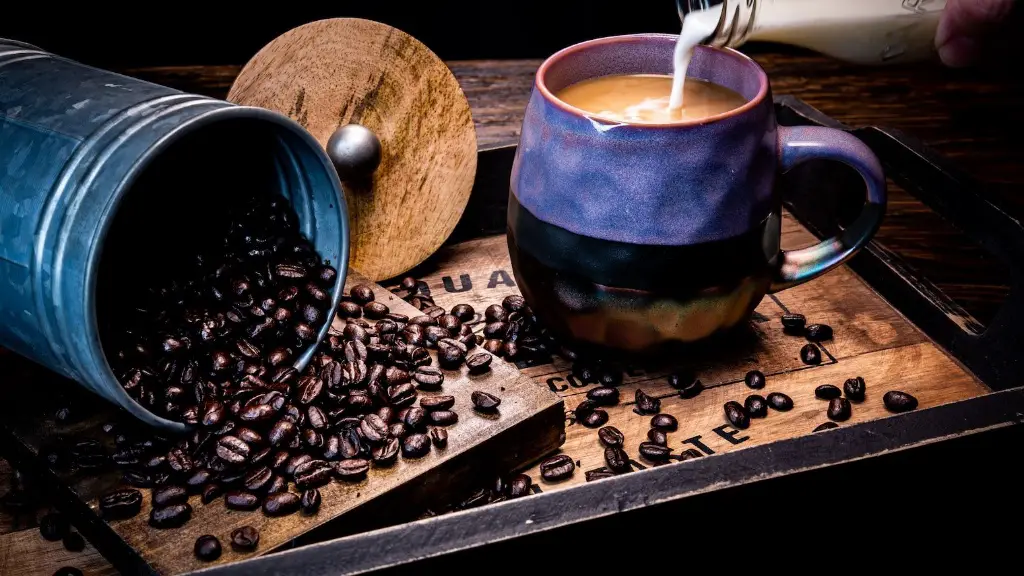
While making the best cup of coffee is important, eventually it all comes down to the art of enjoying it. For some people, the act of coffee-making and drinking is an important ritual. It’s a special time of day when coffee drinkers can sit and savor the moment. It is often a time for relaxation and reflection, a chance to pause and take in the moment.
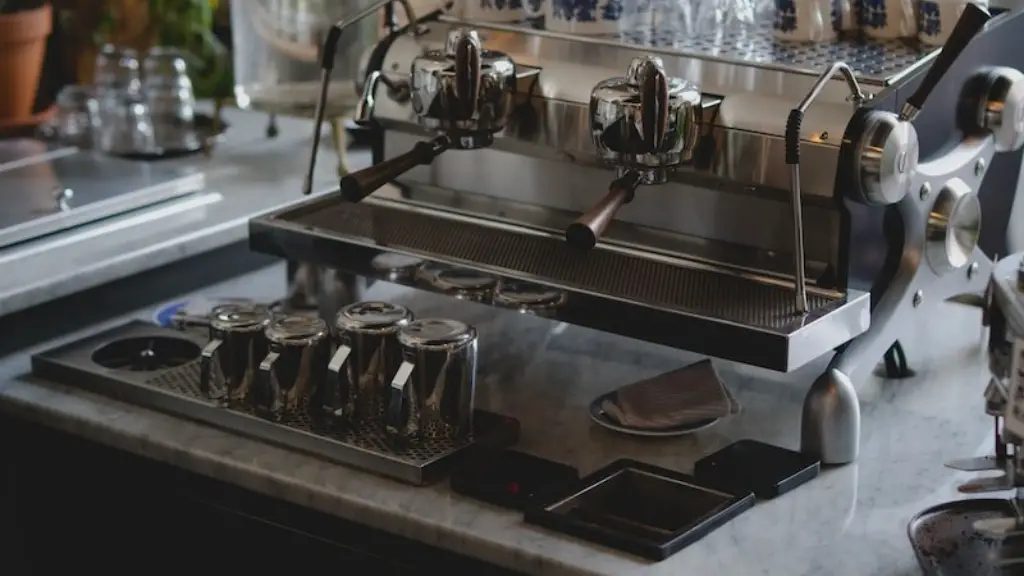
For coffee connoisseurs, the experience of drinking coffee is often enhanced by the beauty of the beans and the equipment used to make it. From manual espresso machines to beautifully crafted French presses and ceramic mugs, the experience is often seen as a form of art and culture. In many cases, the ritual of preparing and drinking coffee is seen as an act of conscious consumption.
So, when it comes to drinking coffee, it’s not just about the end result. The entire process, from the selection of the beans to the pouring of the water, is an important part of the experience. Make sure to savor each moment of the process and enjoy your coffee with intention and appreciation.
How to Re-Brew Coffee Without Loosing its Flavor
Re-brewing coffee has become increasingly popular in recent years as a way to get the most out of your coffee. The re-brewing process involves repeatedly brewing the same batch of coffee until it’s no longer enjoyable. The idea is that with each successive brew, more flavor and aromas are extracted from the beans, producing a richer, more complex cup of coffee.
The trick to re-brewing coffee successfully is to make sure that you maintain a consistent temperature. If the temperature drops too low, the flavor of the coffee will be compromised. The ideal temperature for re-brewing is between 200 and 210 degrees Fahrenheit. This ensures that the beans are adequately extracted, allowing you to make the most out of the same batch of coffee.
It is also important to note that the longer you re-brew the coffee, the weaker it will become. Eventually, the flavor will become dull and over-extracted. To avoid this, make sure to monitor the strength of the coffee and adjust the brew time accordingly. With a bit of practice, you should be able to re-brew coffee without losing the flavor.
Conclusion: Re- Brewing Coffee is an Art
As you can see, there is more to making coffee than just using the right type of water and the correct temperature. Re-brewing coffee is an art and it involves controlling the temperature and the brew time to get the most out of the beans. With a bit of practice, you should be able to re-brew coffee without losing the flavor. And if you do it right, you can get multiple cups of excellent coffee out of the same batch.
