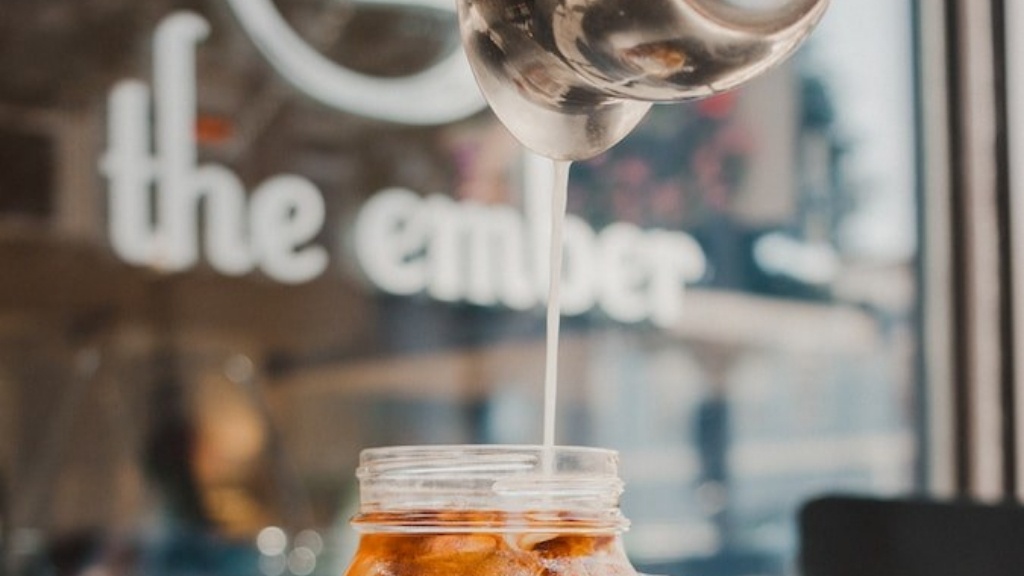
Coffee is now one of the most popular drinks in the world, with many consumed from single-serve K-Cups.These can be a great way to get your daily caffeine but what about K-Cups that have gone past their expiration date? Can you and should you drink them?
Expiring is a common problem with all food and beverage products, so it’s important to discuss the safety and quality implications of consuming expired K-Cups. After a K-Cup has expired, the flavor, smell, and texture can all be adversely affected. The coffee will lose much of its characteristic flavor and aroma, as well as some of its overall body and mouthfeel. Generally, the taste will be much less balanced and the body will be thin. Some even argue that it can taste stale or sour.
In regards to safety, the coffee won’t be unsafe when consumed past its expiration date; however, it is strongly advised to not drink expired coffee. The reason for this is that coffee loses much of its flavor and aroma components when expired. Also, it is important to remember that K-Cups are made with vacuum-sealed capsules and this can cause the contents to deteriorate more quickly.
When it comes to the most effective way to store K-Cups, this ultimately depends on the type of coffee. For cold brew K-Cups, you should keep them in a cool, dark place such as a pantry or cabinet away from direct heat and sunlight. For other types of K-Cups, you should keep them in an airtight container, in a cool, dark place away from direct heat and sunlight.
When it comes to being an informed consumer, it is always important to stay up-to-date on expiration dates. Some brands may have effective expiration dates in the form of manufacture dates or best-by dates, so pay close attention to this information. This can be especially important for people who are buying in bulk.
How to identify expired coffee
The key to avoiding expired coffee is to be able to easily identify it. There are some key factors to look out for when it comes to expired coffee. The most obvious one is the flavor and aroma. When you open the K-Cup, the coffee will be much less aromatic and will have a much duller flavor. There can also be a sour or stale taste that is an obvious sign of an expired product.
It is also important to look out for discoloration or mold. If the coffee has been exposed to air or moisture, it can discolor, or you may even find some mold growth on the coffee grounds or inside of the K-Cup. In general, the best way to avoid expired K-Cups is to store them properly and keep an eye on their expiration date.
How to clean a coffee machine
A dirty K-Cup coffee maker may be causing a slightly weird smell, bad tasting coffee and even low-quality foam. A dirty coffee maker can significantly alter the flavor of your coffee and as a result, your health might be affected.
Cleaning your K-Cup brewer regularly can prevent contamination and ensure your coffee is safe. To clean a K-Cup brewer, you will need a K-Cup with a cleaning cartridge which can be filled with cleaning solution. Once the K-Cup is filled with cleaning solution, run it through the brewer as you would normally make a cup of coffee.
To get the full cleaning effect, it is recommended to run the cleaning brew cycle a few times. After each cycle, empty the solution and repeat until the solution is no longer discolored. Once the cycle is complete, rinse the machine with clean water until all the solution is gone.
Are K-Cups recyclable?
K-Cups are not recyclable and are considered non-biodegradable which means that they will take an extremely long time to break down naturally. The plastic capsules and aluminum lids of K-Cups need to be taken to specialist recycling centers so they can be broken down and recycled.
In addition, some K-Cups contain plastic and metal filters, while some also contain plastic packaging. All this plastic and metal makes recycling difficult, so if you are looking to reduce your environmental footprint, try to buy K-Cups that are made from recyclable materials.
Compostable K-Cups
Companies have also started to produce compostable K-Cups that are made from cardboard and are entirely biodegradable. Compostable K-Cups can be composted at home or at commercial composting facilities. As a result, the waste from your single-serve coffee maker can be put to good use, rather than polluting the environment.
Furthermore, compostable K-Cups also contain ground coffee, just like regular K-Cups, although they use more sustainable materials such as recycled paper and cardboard. This means that they are still just as convenient and easy to use, yet much more eco-friendly.
Cost of K-Cups
K-Cups can be quite expensive and may not be a feasible option for those on a budget. It’s important to remember that the cost of a K-Cup is largely determined by the quality of coffee used in the product. As a result, it can be difficult to determine the cost of a K-Cup without taking into account the quality of coffee.
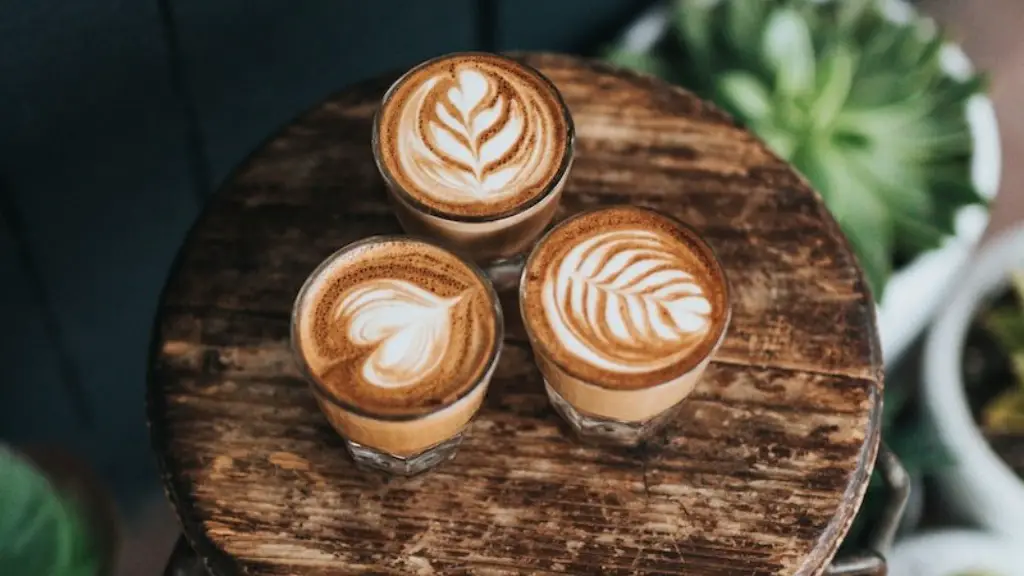
If you are looking to save money, try buying K-Cups in bulk. This can be a great way to get discounts and better pricing. There are also several online retailers who offer subscription services, which can be a great way to save money compared to buying single-serve K-Cups in store.
Nutrition of K-Cups
In terms of nutritional value, K-Cups provide very few nutrients, as most of the health benefits come from the coffee itself. Most of the calories in K-Cups come from fat, with many K-Cups containing high levels of saturated fat. However, the amount of fat in K-Cups is often less than that found in other caffeinated beverages such as energy drinks or sugary sodas.
In conclusion, K-Cups can be a great way to get a quick and easy caffeine fix, but it is important to consult with experts and be aware of expiration dates. It is also important to store them properly and to know what to look for in terms of whether the coffee is expired or not. Furthermore, K-Cups are not recyclable, although there are now compostable K-Cups available, and they can be quite costly.
