Coffee has become one of the most beloved beverages around the world. The average person consumes over 3 cups of coffee a day, making coffee a key player in most people’s daily lives. But what happens if you leave that cup of hot java on the counter overnight? Can you drink one-day-old coffee?
The short answer to this query is, yes, you can drink coffee that has been left out overnight. However, much of the flavor and potency of the beverage has been diminished. You may find the taste lacking in flavor or perhaps it will taste “off”. Depending on the brewing method, you may end up with a weaker cup of coffee too. But even after being left out, you can still enjoy it.
Experts will tell you that for optimal flavor and safety, it is advisable to skip drinking one-day-old coffee. The grounds still contain any bacteria or other microbes from the air, which can lead to health issues if consumed. In addition, the oils and flavors may have broken down, resulting in a weak or bitter brew of coffee. To ensure you are getting the best cup of coffee, it is recommended that you make coffee when you are ready to drink it.
But what if you don’t want to waste coffee? By and large, brewed coffee should not be stored in the refrigerator. The acidic nature of the beverage will cause it to absorb odors and tastes from other foods. In turn, this trickles into your morning cup, and instead of coffee, you get a mix of flavors. However, if you absolutely must store coffee, you can place it in an airtight container in the freezer. This should keep the flavor intact, but you will still need to drink it within a few days.
In addition to the flavor and quality of one-day-old coffee, you may also be concerned about its impact on your health. Numerous studies have shown that drinking large quantities of coffee can lead to insomnia, restlessness, and other issues. To ensure there are no adverse effects, try diluting your coffee with milk and adding some sugar to offset the bitter taste. This may help to reduce the caffeine content and lessen the effect of the beverage.
At the end of the day, if you choose to consume one-day-old coffee, do so at your own risk. In general, it is best to stick to freshly brewed coffee for optimal flavor and health benefits. Hopefully this article has shed some light on the subject and you now have a better idea of the implications.
Handling Leftover Coffee
Firstly, it is important to note that leftover coffee should always be stored in an air-tight container. By sealing the container, you are making sure that the coffee does not absorb any unwanted odors or tastes from other foods. Once properly stored, leftover coffee can stay good for up to two days in the refrigerator. Reheating the coffee is not recommended, as this can diminish its flavor.
Alternatively, you can freeze leftover coffee and store it for up to one month. Unlike refrigerating, the freezing method can be used to preserve the flavor of the coffee. However, you should note that frozen coffee can lose its aroma and taste over time, so make sure to use it within a couple of weeks. Warm the coffee over low heat until it reaches the temperature you desire, rather than microwave it.
It is generally easier to switch your coffee-making routine so that you will always have fresh coffee. By doing so, you are making sure that you can enjoy the freshest cup of coffee each time. However, if you want to save the coffee for later, your best bet is to freeze it in an air-tight container.
Benefits of Coffee
Apart from the taste and aroma of coffee, it is also well known for its many health benefits. Coffee is considered a great source of antioxidants and a way to increase energy levels. Studies have shown that coffee can reduce the risk of heart disease and stroke, as well as help to lower blood pressure. It is also rich in essential vitamins and minerals, such as potassium and B vitamins.
Furthermore, coffee may help protect against certain types of cancer, including colorectal and liver cancer. Regularly drinking coffee can help reduce your risk of developing type 2 diabetes, while the caffeine content can boost your metabolism and help burn fat. Therefore, coffee can be a great addition to any health or diet plan.
When it comes to mental health, coffee can be a great tool to improve your cognitive abilities. The caffeine content of coffee can help increase alertness and focus. Studies have also linked coffee consumption to a reduced risk of depression and anxiety. All of these amazing benefits make coffee a great beverage to enjoy on a daily basis.
The Right Way To Make Coffee
In order to make the perfect cup of coffee, you will need the right equipment and the correct ingredients. For the best results, use freshly ground coffee beans and filtered water. If you can, use a French press, pour-over, or a cold-brew maker for the best flavor. Investing in a reliable burr grinder can also help to ensure you are getting the most out of your beans.
When it comes to the water, it is important to use filtered water if you can; this is especially true if you are using an espresso machine. Filtered water will help to remove any potential contaminants and will also provide a cleaner taste. Additionally, make sure that you are using the right water-to-coffee ratio. Too much water will result in a weak cup of coffee, while too little can make it too strong.
Finally, be sure to use the right water temperature. For most methods, water that has been heated to around 195-205°F should be used. If your water is too hot, it can burn the beans, resulting in an unpleasant taste. Therefore, it is important to find the right temperature and brewing time for the best cup of coffee.
Can You Freeze Coffee?
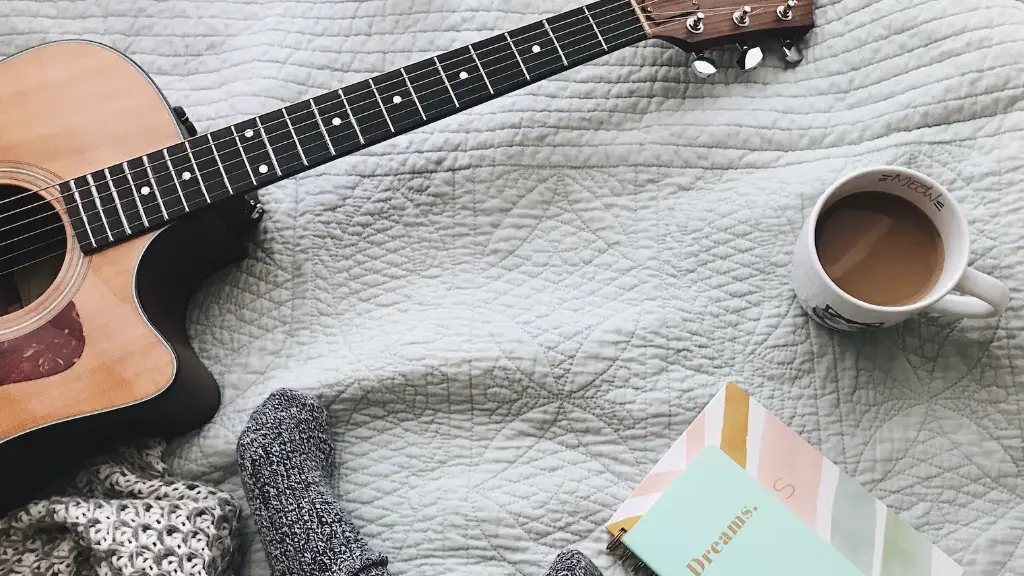
Freezing coffee is a great way to preserve its taste and aroma for a longer period of time. When done correctly, coffee can last up to one month in the freezer and still retain its flavor. First, make sure to store the coffee in an airtight container. This will help to prevent coffee from evaporating and prevent it from picking up any unwanted odors.
In order to make sure that you are getting the best flavor out of the coffee, avoid thawing and re-freezing. This process can lead to the coffee degrading in quality, as the ice crystals formed during the thawing process can damage the flavor of the coffee. Therefore, only thaw the coffee when you are ready to use it, and make sure not to refreeze it after it has been thawed.
In addition, freezing coffee can cause it to become acidified, resulting in a sour taste. To counter this, you can add a pinch of salt to the coffee grounds before freezing them. This will reduce the impact of the acidification process, resulting in a tastier cup of coffee.
Coffee Brewing Tips
Making your own coffee is not as hard as you would think. All you need is the right equipment, along with a few precious tips to get the perfect cup of joe. Firstly, you will want to make sure you are grinding your beans to the right size. Coarse grounds are best for French presses, while medium coarse grounds work best for pour-overs.
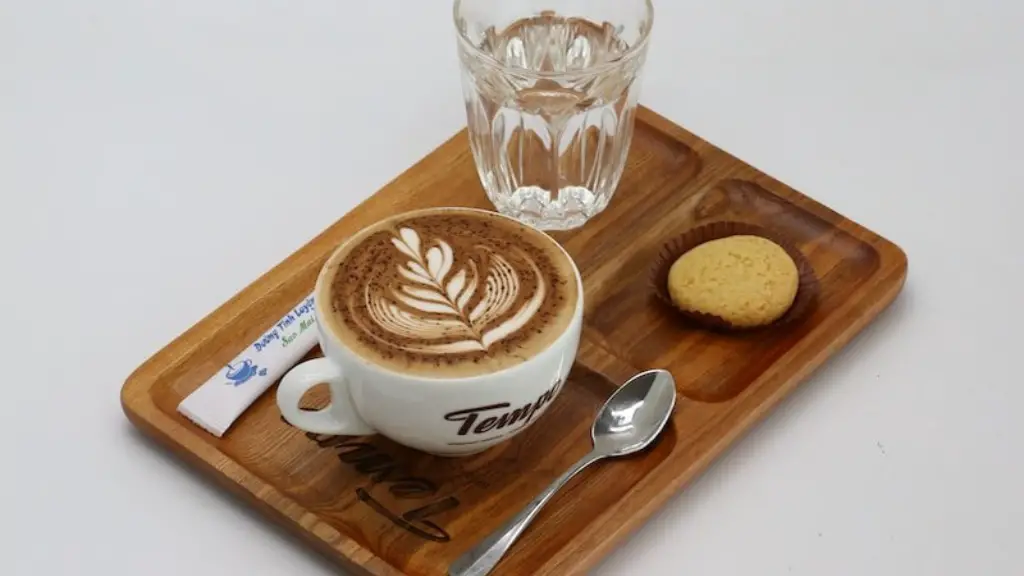
Once you have your grounds, it is important to check the water-to-coffee ratio. Generally, a good rule of thumb is to use two tablespoons of grounds for every eight ounces of water. Be sure to use filtered or bottled water if you can, as this will help to provide a better tasting coffee. Additionally, make sure the brewing water has not been heated to more than 209°F.
To get the best coffee, try not to be too heavy-handed with the stirring. Over stirring can lead to an over-extraction of coffee oils and result in an unpleasant cup. Use just enough to combine the grounds and water and then let the coffee steep undisturbed.
Finally, avoid leaving the coffee on the burner for too long. Boiling the coffee can cause it to become bitter and unpleasant. As soon as you see the first few bubbles start to form, remove the pot from the burner. This will make sure that you have a nice and flavorful cup of coffee without any of the bitter aftertaste.
