Irrefutable Benefits of Drinking Coffee
Do I drink coffee? No coffee flows through my veins – or does it? Coffee is one of the most popular caffeine-containing beverage around the world, containing approximately 98 mg of caffeine per cup. As strong as the aroma and flavour may be, it can also be a powerful stimulant, providing certain benefits that can improve mood, performance and overall health. In fact, according to recent scientific studies, coffee can have positive effects on your physical health, mental well-being and can help protect you against diseases.
The effects of coffee on health vary depending on the person, caffeine sensitivity and the amount consumed. Some of the most common health benefits associated with drinking coffee include increased alertness, improved performance and concentration, reducing depression and the risk of several diseases. Coffee has also been found to reduce the risk of Parkinson’s, Type 2 Diabetes and certain types of cancer. Additionally, a cup of coffee can help perk up your mood and keep you energized and focused throughout the day.
Caffeine, the stimulant found in coffee, is beneficial in moderation as high doses can lead to anxiety, jittery feelings and disruption of sleep. It’s best to restrict yourself to three to four cups per day for optimal health benefits and avoid adding more than two tablespoons of sugar or cream, as this will reduce the positive effects of the drink.
Though coffee may not be for everyone and is not a necessity for an overall balanced healthy lifestyle, it definitely has some perks that all coffee-lovers should consider. Studies have consistently highlighted that moderate coffee consumption is linked to living a healthier lifestyle and a longer life expectancy. Of course, drinking coffee in combination with a well balanced diet, a healthy lifestyle and regular exercise are likely to reap the best health benefits.
Exploring the Adverse Effects of Coffee
In the same way that coffee can offer benefits, it can also present some drawbacks. When consumed in high amounts, caffeine can cause restlessness, trouble sleeping, headaches and digestive problems. Additionally, some studies have linked excessive coffee consumption to an increased risk of heart problems, higher cholesterol levels and anxiety. Furthermore, research suggests that children should limit or avoid coffee altogether due to its potential negative effects.
A crucial factor to consider when it comes to coffee’s potential risks is its caffeine content. Research has found that individuals who consume more than 400mg of caffeine per day are more likely to suffer from palpitations and tremors. Therefore, it is advisable to limit the amount of coffee you drink and, if possible, to switch to caffeine-rich beverages that contain lower levels of caffeine.
Apart from health-related drawbacks, drinking coffee can also induce a dependence on the drug as it affects the body’s central nervous system. Caffeine dependence can lead to withdrawal symptoms like headaches, fatigue, irritability and lack of focus when cutting down or suddenly stopping consumption of the beverage. To mitigate caffeine dependency, it is a good idea to slowly reduce coffee consumption and replace it with healthier alternatives such as tea or fruit-infused water.
In conclusion, while coffee can have positive effects that contribute to overall health and well-being, it’s essential to be aware of its potential adverse effects. By drinking coffee in moderation, you can still experience the benefits without sacrificing your health or sleep quality.
What Do the Experts Say About Coffee?
Coffee consumption has been widely discussed among experts, especially regarding the potential health benefits. According to leading nutritionist Rebecca Rolfe, coffee is essentially a complex package containing several bioactive compounds and antioxidants. Additionally, several studies have highlighted that coffee can lower the risk of liver disease, improve skin health and even help protect against sun damage. Moreover, she emphasizes that coffee does not need to be eliminated altogether if consumed in moderation, especially because it can offer several key benefits for physical health.
Elizabeth Trattner, an integrative medicine specialist, highlights another important consideration when it comes to coffee, which is its effects on the digestive system. Trattner emphasizes the importance of being mindful of how your body responds to coffee. For her, coffee may damage the inner walls of the throat, which could lead to gastroesophageal reflux disorder. She advocates drinking organic coffee as it has less acidity and is less likely to cause acid reflux.
Karen Ansel, a registered dietician and nutritionist, echoes Rolfe and Trattner’s assessments, adding that coffee can be beneficial in moderation. Ansel believes that an ideal amount of coffee is one or two cups a day, which can provide a moderate amount of antioxidants. She also shares that the advantages of coffee can be optimized by avoiding certain additives such as sugar and cream. Ansel believes these to be detrimental to our health and adds that it is important to be aware of the amount of caffeine we are consuming.
Addressing the Coffee Cravings

Let’s face it, coffee cravings can be hard to ignore. To help address the cravings, swap coffee for decaffeinated beverages or herbal teas. If you’re an avid coffee drinker, consider introducing black tea or green tea into your daily routine. Tea can provide the same feeling of energy and alertness as coffee, but with less caffeine and more antioxidants benefits. Additionally, many tea varieties contain herbs that have calming and mood-boosting properties.
If you’re trying to cut down on coffee, one of the best ways to do so is to slowly reduce your consumption. Even if it takes days or weeks, slowly reducing consumption over time can help reduce any negative side effects. Additionally, keep in mind that caffeine-free beverage alternatives don’t have to be boring. Try infusing your water with citrus, herbs or spices to give it a flavourful twist or include coffee substitutes made with natural ingredients to ensure that you’re still getting some beneficial properties.
Finally, it’s important to be mindful of your daily coffee consumption and listen to your body. If you’re feeling any physical or mental symptoms associated with an excessive caffeine intake, take a break for a few days, drink plenty of water, get a good night’s sleep and don’t forget to take time out to relax.
Understanding the Social Impact of Coffee
Coffee is often consumed as part of a morning ritual with friends, family and colleagues. However, coffee is not just a delicious drink, but a lifestyle choice that has been adopted culturally. One of the most common uses of coffee is socializing, where the drink can help foster connection among people. This is especially common in offices where coffee is used as an informal tool for networking, collaborating and socializing with colleagues.
Nevertheless, it’s important to be aware of the implications of coffee consumption for marginalized communities. Coffee production relies heavily on big agricultural companies and has been heavily criticized for its exploitative processes and practices. As a consumer, it’s important to be aware of this social context if you’re considering purchasing coffee from farm-direct or organic sources. Furthermore, if you have the capabilities to do so, you may even choose to support small coffee producers that are committed to fair trade and ethical practises.
Finally, it’s important to note that out-of-home consumption is the leading driver of coffee consumption, with office break rooms and work meetings being the leading cause of this. In 2019, office and business visits accounted for approximately 70 percent of high-end coffee purchases and roughly half of all coffee purchases. As such, by being mindful of the amount and type of coffee consumed, we can help ensure that we’re not contributing to unfair economic practices and exploitation in the coffee industry.
Saving Money on Coffee
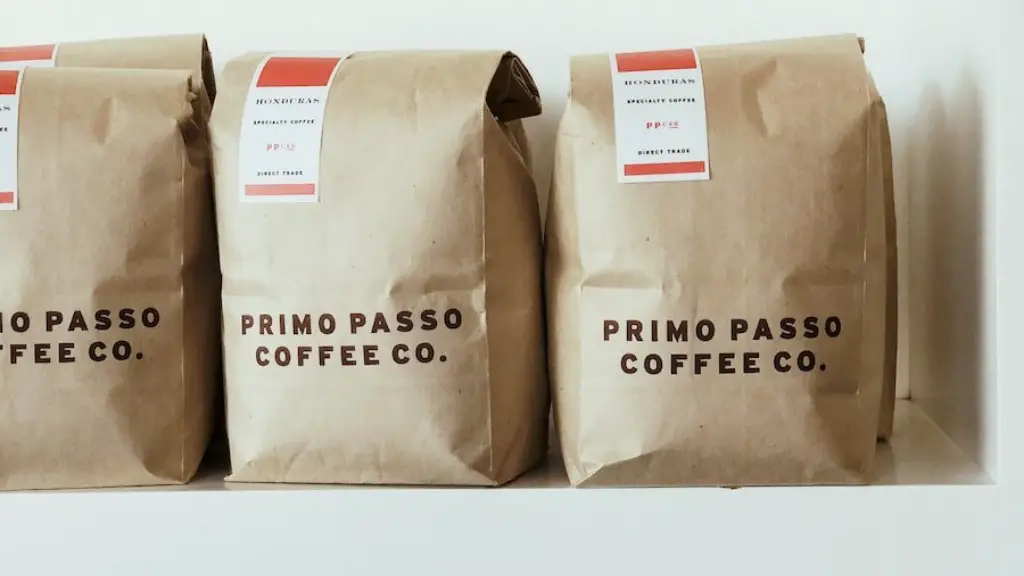
For those looking to save money on coffee, the most obvious route is to make the switch to at-home brewing. Making your own coffee is often the most cost-effective solution, as most coffee gamers will save money over time by making their own drinks at home. Additionally, buying beans in bulk can help save money, as it reduces the need for single-use pod-style coffee containers.
Moreover, look for alternative sources of caffeine that can be just as good and don’t require spending money on coffee. For example, opting for decaffeinated drinks such as green tea, oolong tea or white tea can provide the same energizing effects without the need to buy an expensive cup of joe. Additionally, alternatives such as yerba mate and roasted chicory root can help you get your caffeine fix without the added risk of overconsumption.
If you still can’t resist that perfect latte, consider splitting it with a friend. Not only will you save money, but you’ll get the chance to catch up and make a memory over a delicious cup of coffee. Furthermore, look for cafes that offer discounts for their loyal patrons, as many establishments run promotions and goodies for regulars.
Taking Advantage of Coffee Seasonal Beverages
For those looking for an exciting flavor experience, try exploring seasonal coffee offerings from local cafes. Coffee products from independent, local cafés often come at a lower price compared to international chains, so it’s worth researching regional coffee specials for an added treat. In addition to seasonal snacks, regional shops are often the first to get their hands on limited-edition items, so keep an eye out for new releases near you.
These seasonal coffee drinks can be a great way to indulge in something special without the worry of going overboard. Specialty coffees usually have lower caffeine content than traditional coffee, and some cafes consider their seasonal drinks to be lower in caffeine. Additionally, these drinks are often made with natural ingredients, so you can enjoy a tasty indulgence without the guilt.
Finally, coffee companies have made it easier to stay caffeinated without the cost of specialty drinks. There are now several brands that offer coffee subscriptions, which provide discounts on select items when you buy in bulk. This can be a great way to get a steady supply of coffee at a discount, so you can enjoy delicious drinks for a fraction of the price.
