
Sociocultural Dimensions
Coffee is an integral part of Japanese culture, that has been embraced by its citizens since the introduction of the beverage in the 17th century. From its inception as a high-end commodity, coffee has evolved to become an accessible, affordable option for the public. Not only is it available on every corner of the street, there is an increasing variety of options to choose from when it comes to coffee. On top of traditional espresso, flavored coffees are gaining immense popularity due to their unique and distinct taste. Additionally, coffee is an important part of many formal and informal business meetings, as it is not just an energizing ingredient, but an icebreaker between two parties.
Moreover, the café culture in Japan has been further solidified by recent renovations in cafes, particularly the introduction of ‘Specialty Cafes’ which mimic the vibe of famous coffee houses in Europe. Cafes are especially popular amongst young adults, who use them as a medium to engage in conversations, catch up with friends, or simply relax while enjoying the atmosphere.
Finally, coffee has even transcended the digital medium. In Japan, the beverage has recently gained immense social media and internet presence. Fancy coffee pictures, especially latte art, are surfacing on platforms such as Instagram and Twitter, further reinforcing coffee’s place in Japanese culture. Fans even can buy merchandise designed around coffee, such as specialty mugs and tumblers, further illustrating the consumption of coffee within Japanese culture.
Economic Significance
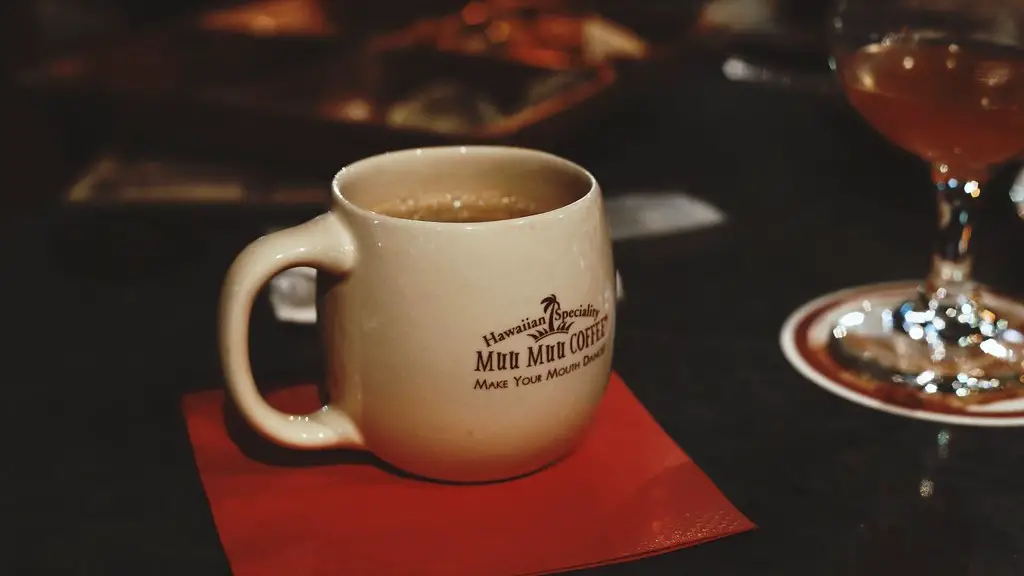
Coffee consumption in Japan is not just tied to its culture; it is also an integral part of its economy. According to recent reports, Japan is the fourth largest consumer market for coffee in the world, with a Per Capita Coffee Consumption (PCCC) of 220 grams per annum. Coffee typically has a higher margin than other beverages, and this contributes to a large number of outlets employed in the beverage industry. Additionally, Japan is a major importer of specialty coffees, with the green coffee imports clocking in at around 1.7 million bags in 2018.
Furthermore, the growth of the coffee market in Japan indicates huge potential for its private stakeholders. The retail segment in particular is gaining great traction due to its ease of availability, and its capacity for customization. Japanese consumers are not just focused around espresso; specialty drinks such as Cascara, cold brew and single-origin blends are gaining immense attention from the public. This is further reflected in the sales generated by the segment; it is estimated that specialty coffee shops, cafes and convenience stores account for more than 70% of sales in Japan.
Finally, the coffee industry also contributes to the GDP, with a growth of 10.1% from 2017 to 2018. This emphasizes on the importance of the beverage sector, and the potential it holds in stimulating the economy.
Research Analysis and Insights
A quick analysis of the data reveals that although a high percentage of the populace consumes coffee regularly, not an overwhelming majority is engaged in the beverage. 37% of adults consume coffee less than one day per week, and some adults don’t drink coffee at all.

The data also reveals that the major appeal of coffee amongst the adults lies in its energizing properties. Moreover, coffee is believed to enhance productivity and mental alertness, particularly amongst students.
Furthermore, there is a great variety of coffee-based beverages that appeals to a range of adults. For instance, adults who are more health conscious are more likely to opt for Cascara and Cold Brew, while those who are more experimental in their tastes opt for single-origin blends.
Health Benefits
Recent studies and research projects have backed up the correlation between coffee consumption and certain health advantages. Firstly, it is shown to reduce the risk of type 2 diabetes by 23% as coffee has a positive effect on the insulin levels and helps to manage the blood sugar levels. Furthermore, moderate intake of coffee is believed to reduce the chances of Parkinson’s disease, being linked to a decrease of 23-37%.
Additionally, coffee intake has also proven to reduce the risk of liver ailments. People who drink 109 mL of coffee per day are believed to have a 20% less chance of developing cirrhosis, especially amongst middle-aged adults who drink one to three cups of coffee a day. Finally, recent studies suggest that drinking coffee daily increases focus and improves memory and mental productivity. Even though further research is required in this area, early studies indicate that coffee is an essential part of maintaining mental focus and attentiveness.
Overall View

To conclude, the consumption of coffee in Japan is increasing rapidly. It contributes to the overall sociocultural vibrancy of the country, and is an integral part of the economy. Its relevance is further reinforced by its health benefits, and its capacity to enhance mental productivity. With more cafes and restaurants accommodating its presence, there is immense potential for the beverage industry in Japan, which is likely to grow exponentially in the near future.
External Market
Apart from the booming local market, Japanese coffee is increasingly gaining traction outside of the country as well. More and more countries are introducing Japanese-style blends of their own. For example, due to its delicate balance of bitterness and acidity, Japanese-style espresso is the preferred choice for many coffee shops in the US. Additionally, shops are experimenting more with the rich and unique flavours of Japanese-style beans. This further shows how much appeal the country’s blends have outside of Japan.
Furthermore, just this March, KI NO BI Kyoto Dry Gin was announced to be Germany’s Best Gin at the acclaimed World Spirits Awards. The gin contains a significant amount of coffee’s primary easy bittering agent, Quinine, which adds a delightful floral and citrus flavor to the finishing tones. Consequently, this was an amazing breakthrough for Japan’s tasting capabilities, and shows the potential that their beans possess to the larger international market.
International Recognition
Apart from being recognized within the industry for its high-end beans, Japan as a nation is gaining more and more international attention for its craftsmanship, art and culture. Recently, the country was awarded the prestigious International Association of Culinary Professionals (IACP) Award for 2018, in the Best Culinary Travel Writing category. The award commended Japan’s craftsmanship in the food and beverage industry and the overall absorption of its culture through media.
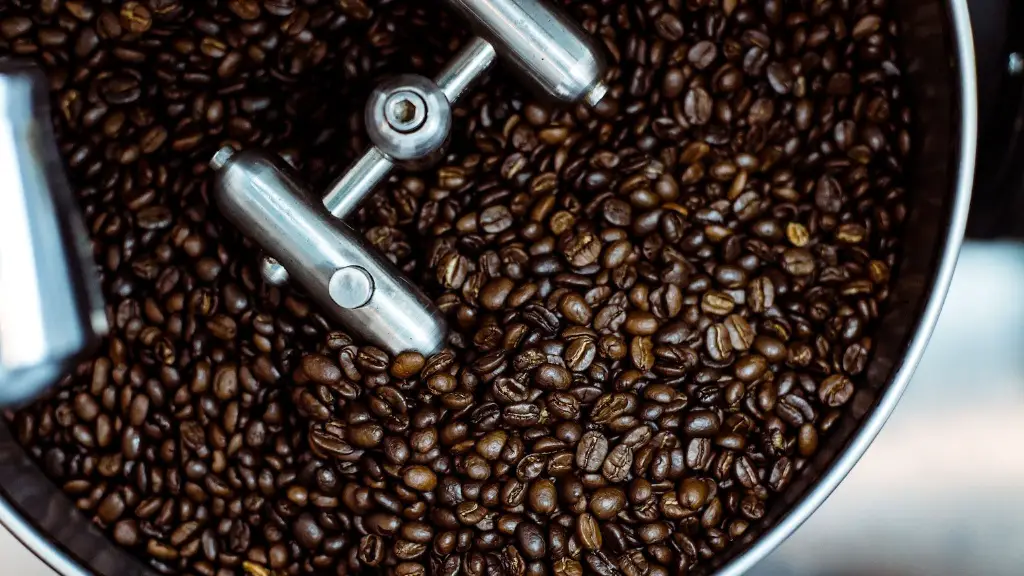
Additionally, the most prominent award in the world today, the Nobel Prize, has three winners out of Japan in 2018. Rediscovery of Immune Cells and its power to fight cancer by Tasuku Honjo, and Development of Lithium-ion Batteries by Akira Yoshino are two of the achievements awarded to people of Japanese origin. This relays the message that Japan is not just a country of the exotic; it is a country of immense culture and potential.
Global Expansion
Finally, due to its international recognition and world-renowned culture, coffee from Japan is slowly but surely being exported to various countries around the world. For example, there is a staggering amount of coffee from Kyoto being subjected to imports into the US, especially with the recent introduction of Italian style roasting. This further emphasizes on the potential for Japanese beans on an international level. Moreover, major coffee chains such as Starbucks, Costa Coffee and Café Nero have started introducing more Japanese-style blends into their product lines. This is partly due to the growing demand for Japanese-style beans, and its mesmerizing aromas and exquisite flavours.
Subsequently, all these initiatives signify the ability of Japanese coffee beans to transcend boundaries, and its potential to be embraced as a valuable part of the world’s coffee culture. Even though further development is required in terms of marketing strategies, Japan is well on its way to becoming the ultimate authority in the handcrafted coffee industry.
