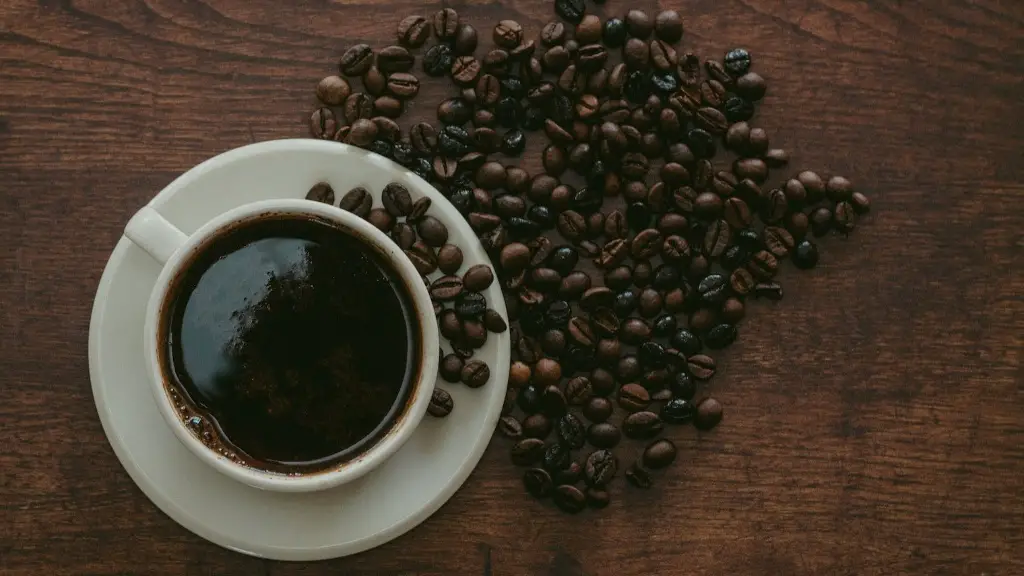
When talking about beverages, it is hard not to think about coffee. It is one of the most popular drinks in the world, with approximately 2 billion cups being consumed daily. That’s an immense amount of caffeine, and one has to wonder if it is really as healthy as it is suggested to be. Is it really safe to drink that much coffee?
Coffee is a drink made from roasted coffee beans, which are ground and brewed. It is a stimulant, containing caffeine, theobromine, polyphenols, and other organic compounds. It is known to improve alertness, help physical performance, increase reaction time, and even reduce the risk of some chronic diseases. That being said, it has also been linked to some negative side effects, and one must be careful to not over indulge in this drink.
A moderate amount of coffee is generally considered to be beneficial, and the amount varies from person to person. According to the World Health Organization, the suggested intake for adults is between 3 to 5 cups per day. However, this is just an estimate. Some people may be able to tolerate more, while others may need less to remain alert. There is no one-size-fits-all solution, as it is largely dependent on individual factors like age, lifestyle, and health.
Of course, there are also many alternatives to coffee, like energy drinks, herbal teas, and other caffeinated beverages. Caffeine can act as both a stimulant and a depressant, depending on how much you are consuming. Taking too much can cause jitters, anxiety, and even insomnia. It can also raise blood pressure and increase the risk of certain heart issues. Therefore, it is important to consume coffee in moderation.
Another issue to consider is that caffeine is an addictive substance. Many people drink coffee obsessively and start to experience withdrawal symptoms when they try to cut back. This is why it is important to be aware of your intake and make sure you are not over-consuming. Your health and lifestyle are much more important than a caffeine boost.
Overall, drinking too much coffee can be detrimental to your health. It is important to be mindful of how much coffee you are consuming and look for alternatives if necessary. Moderation is the key to getting the most out of this beverage, and staying alert and healthy.
The Impact of Energy Drinks
Energy drinks, such as those produced by Red Bull, Monster, or Rockstar, are popular alternatives to coffee. They are marketed as providing extra energy, alertness, and focus. But how effective are they, and how safe are they compared to coffee?

Energy drinks contain more than just caffeine. They also contain a variety of other ingredients such as taurine, guarana, and B vitamins, that are thought to increase alertness and focus. However, many of these ingredients have not been thoroughly studied and may have some negative side effects. For example, taurine, a common energy drink ingredient, can cause rapid heart rate, anxiety, and even heart attacks. It is important to be aware of these ingredients before consuming energy drinks.
Furthermore, energy drinks may also contain high levels of sugar, which can lead to weight gain, diabetes, and other health problems. On the other hand, plain black coffee typically has no or low calories, making it a much healthier alternative. Energy drinks also often contain artificial sweeteners and flavorings, which can contribute to health issues. It is important to check the ingredients list before consuming any energy drink.
Overall, energy drinks may provide a boost of energy and focus, but they also come with a slew of negative side effects. The high sugar and other untested ingredients could be potentially damaging to your health. If you are looking for a healthy and safe alternative to coffee, water, herbal teas, and green tea may be a better option.
Alternatives To Coffee
Although coffee is one of the most popular drinks in the world, it is not the only drink that can provide energy and alertness. In fact, there are many alternative beverages that may be even healthier than coffee.

One of the most popular alternatives is green tea. Green tea is packed with antioxidants and other beneficial compounds such as polyphenols and flavonoids. Research has shown that green tea can reduce the risk of some chronic diseases, lower cholesterol, and even boost weight loss. It also contains some caffeine, but much less than coffee.
Herbal teas are also a good alternative to coffee. Herbal teas, such as chamomile, lavender, and peppermint, are naturally caffeine-free and contain a variety of beneficial compounds. They are known to have calming, soothing effects and help reduce stress and anxiety. It has also been suggested that they can aid in digestion and boost the immune system.
Lastly, water is an excellent alternative to coffee. It is essential for hydration and plays an important role in keeping your body healthy. Drinking enough water can help regulate your body temperature, transport nutrients, and even aid in weight loss. It is important to stay hydrated throughout the day, and drinking water instead of coffee is a great way to do that.
The Perks of Coffee Consumption
Coffee has come a long way from its origins as a cheap pick-me-up, and more and more people are beginning to embrace the many health benefits it provides. Coffee is a great source of antioxidants, which can help reduce inflammation and combat disease. Studies have shown that it can lower the risk of some cancers, heart disease, and stroke. It can also reduce joint pain, improve cognitive performance, and even reduce the risk of depression.

There are also some short-term benefits to coffee consumption, such as improved alertness, concentration, and mood. Caffeine can also provide an energy boost, making it easier to power through a long workday or a challenging workout. Lastly, coffee is much more affordable than energy drinks and is usually easier to find.
Overall, coffee can be an excellent addition to your diet. It has a wide range of health benefits, both short-term and long-term. However, it is important to drink in moderation and know your individual limits. Too much coffee can lead to negative side effects, so it is important to practice self-control to reap its rewards.
The Coffee-Free Lifestyle
For some people, abstaining from coffee is the best choice. Coffee may provide a much-needed energy boost, but that doesn’t come without consequences. Too much coffee can interfere with sleep quality, and can lead to caffeine dependence. It can also cause headaches and irritability if consumed in excess.
That being said, there are many other ways to stay alert and energized without relying on coffee. Exercising, eating healthy, and getting enough sleep are all essential for maintaining energy and alertness. Taking short breaks throughout the day, using self-care techniques such as yoga and meditation, and consuming natural energy sources like nuts, fruits, and honey can also help.

Furthermore, drinking plenty of water throughout the day is beneficial for both your physical and mental health. Water can help improve digestion and keep your body hydrated, which can result in more energy and alertness. Taking in the right amount of fluids can also aid in cognitive performance and overall well-being.
Ultimately, a coffee-free lifestyle is possible and can be beneficial for your health. It may require some extra effort and discipline, but the long-term benefits can be enormous. It is important to be aware of your individual health needs and find a lifestyle that works best for you.
