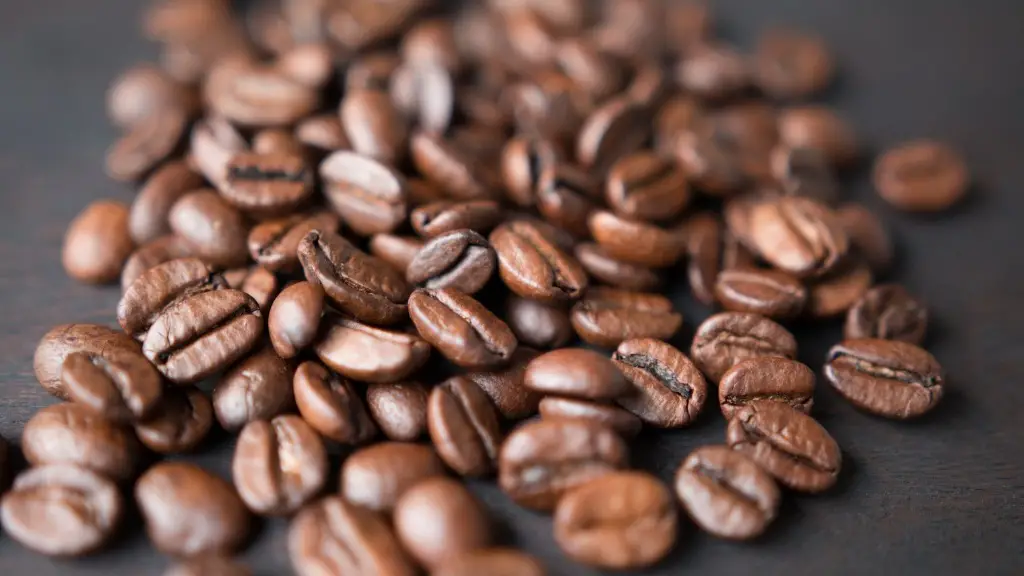
Is Drinking Coffee A Way To Lose Weight?
We all know that diet and exercise are the two most important components of a successful weight loss program, but what about diet and drinking? Coffee, in particular, has been gaining a lot of attention lately as a diet aid. Many people are wondering if drinking coffee can really help with weight loss. Here, we dive into the science of coffee and its effects on weight loss.
Coffee contains caffeine, an organic chemical compound that acts as a stimulant. Caffeine is known to be beneficial in various ways, such as improving focus and alertness, increasing energy levels, and even reducing the risk of certain diseases. What has caught the attention of dieters recently, however, is its potential to enhance metabolism and, in turn, aid in weight loss.
Research has shown that caffeine can slightly boost metabolism. Specifically, it can slightly increase the number of calories burned over a 24-hour period. It’s important to note, however, that the impact of caffeine on metabolism can be fairly small, so it isn’t likely to have a large impact on weight loss. It’s also worth mentioning that the effects of caffeine on metabolism can vary from person to person, so it may be more or less effective for some people.

In addition to its effects on metabolism, coffee can also help you to control your appetite. Studies have found that caffeine can reduce the hunger hormone, ghrelin, and increase the satiety hormone, peptide YY. This can help to reduce cravings and prevent overeating, resulting in fewer calories consumed overall. And, as we know, consuming fewer calories is the key to weight loss.
Overall, drinking coffee can be part of a successful weight loss program, as long as it is accompanied by a healthy diet and exercise. Coffee won’t be a miracle cure, but it can provide some assistance and aid in achieving your weight loss goals.
Drinking Coffee and Caffeine’s Effects on Exercise
In addition to its effect on metabolism, caffeine also has an influence on energy and exercise performance. Studies have found that consuming caffeine prior to exercise can have a beneficial effect. Caffeine can help to increase energy levels, reduce fatigue, and improve exercise performance. This can be beneficial for those trying to lose weight, as it can help to make exercise more enjoyable and provide more energy for longer and more intense workouts.
It’s important to note that caffeine can also have negative effects on exercise. Consuming too much caffeine can cause increased anxiety, jitteriness, and insomnia, which can make it difficult to focus and perform at a high level. Additionally, too much caffeine can cause dehydration, which can be especially problematic for those who partake in lengthy and intense workouts. To avoid these issues, it’s best to moderate your caffeine intake prior to exercise.
Drinking Coffee and Its Effects on Health
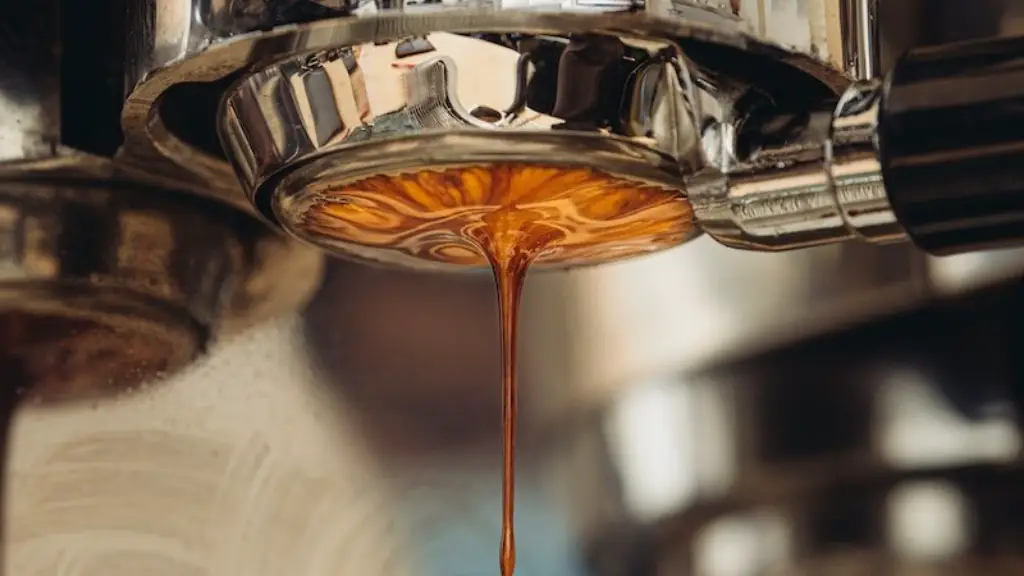
In addition to its potential effects on weight loss and exercise, coffee can also have an effect on overall health. Research has suggested that coffee drinkers may be at a lower risk for certain diseases, such as type 2 diabetes and Parkinson’s disease. Additionally, coffee may have a positive effect on brain health, as it can help to improve memory and cognitive function. These benefits can be gained from both regular and decaffeinated coffee, so those looking to avoid the potential side effects of caffeine may still be able to reap some of the rewards.
Of course, it’s important to remember that coffee isn’t a miracle cure-all. Too much coffee can lead to unpleasant side effects such as increased anxiety and restlessness. Additionally, coffee drinkers should be aware that coffee may interact with certain medications, making them less effective. It’s important to talk to your doctor before making any significant changes to your diet.
Is Drinking Coffee Good for Weight Loss?
As we’ve seen, drinking coffee can be beneficial for weight loss, as it can help to improve metabolism and control appetite. However, it’s important to remember that drinking coffee alone is not enough to lose weight. It should be accompanied by a healthy diet and regular exercise for best results. Additionally, it’s important to be aware of the potential side effects of caffeine, and to watch your intake to avoid problems.
Conclusion – Does Coffee Help with Weight Loss?
Do you lose weight drinking coffee? The answer is yes – to a certain extent. Coffee can boost your metabolism and help to control your appetite, both of which can contribute to weight loss, but it won’t be a miracle cure. Drinking coffee as part of a healthy lifestyle, including a balanced diet and regular exercise, is the best way to achieve lasting weight loss results.
Consult a Nutritionist Before Making Changes to Your Diet

No matter how sound a nutritional advice may appear, it’s always best to consult with a nutritionist before making any significant changes to your diet. A professional nutritionist can assess your goals, lifestyle, and health and provide tailored advice to ensure you’re meeting your individual dietary needs and reaching your weight loss goals.
Important Safety and Nutritional Information about Coffee
Coffee can be a part of your daily diet, but it should be consumed in moderation and with an eye on safety and nutrition. Caffeine reacts differently with each person, so while some may find energy benefits, others may react with jitteriness or the inability to sleep. Additionally, too much coffee can contribute to dehydration, which can be especially dangerous during physical activity or when exercising outdoors in the summer. Finally, it’s important to remember that coffee contains calories and can impact blood sugar levels, so too much of it can hinder weight-loss progress.
Alternatives to Colorful Sources of Caffeine
For those looking for an alternative to coffee, there are a few options available. Tea, in particular, is naturally caffeinated and can provide some energy benefits without the strong flavor of coffee. Green tea and oolong tea, in particular, are known for their health benefits and can provide a gentler lift than coffee. Additionally, there are also a variety of teas that contain caffeine but have unique tastes, such as ginger tea and matcha.
Self-Care, Rest and Relaxation with Caffeine-Free Beverages
For those looking to avoid caffeine completely, there are a variety of delicious caffeine-free options out there. Herbal teas such as chamomile, rooibos, and peppermint are great for relaxation, while ginger and turmeric can help to keep your digestive system healthy. Alternatively, for a delicious, cold treat, try an ice-cold glass of lemonade with fresh fruit.
Pairing Coffee with Healthy Food Choices

Coffee can provide a number of benefits when it’s paired with healthy food choices. For those looking for a boost of energy, try pairing your cup of joe with oatmeal and nuts or an egg white omelet with vegetables. Coffee also goes well with protein-rich yogurt and is a great pairing with a fruit smoothie. If you’re looking for a healthier alternative to a sugary coffee drink, consider a latte made with almond or coconut milk.
