
Physiological Effects of Drinking Black Coffee
One of the most debated questions related to religious, health, and lifestyle practices is ‘does drinking black coffee break your fast’? The answer to this question depends on the type of fasting done, the tradition followed and the individual’s beliefs. For example, those following minority faiths may be allowed to drink black coffee during their fast, whereas those following Islam or Judaism may not. In addition, there are medical and physiological implications of drinking black coffee during a fast. This article looks at both the religious and medical aspects of this issue.
People typically fast as a means of preparing for special activities or events, to reflect spiritually, or for health reasons. Intermittent fasting is one of the most popular fasting styles, and it is considered to be the most beneficial for health. It usually involves alternating between periods of eating and not eating (commonly referred to as ‘feeding’ and ‘fasting’). During the fasting period, people are advised to abstain from consuming any solid food, while some also abstain from drinking liquids such as water and black coffee. Some fasts, including intermittent fasting, involve consuming only water, while others may involve abstaining from all food and drinks.
From a physiological point of view, drinking black coffee during a fast may affect the process of fasting. Black coffee contains caffeine, a stimulant known to increase the release of hormones such as cortisol and adrenaline. These hormones can potentially break down stored glucose in the body, leading to a drop in blood sugar levels. If a person is fasting for religious or spiritual reasons, consuming black coffee could disrupt this process and break their fast. For those fasting for health reasons, consuming black coffee might temporarily reduce their blood sugar levels, but over time it could lead to higher levels due to the presence of caffeine. Overall, it is important to consider the individual’s personal preferences and their religious and spiritual beliefs before deciding whether or not it is appropriate to drink black coffee during a fast.

Nutrition experts suggest that those fasting for medical reasons should only drink black coffee in moderation and should not overdo it. This is because drinking too much black coffee during a fast can cause side effects such as jitteriness, headaches, and increased heart rate. Black coffee also contains many antioxidants, which can help promote cardiovascular health and prevent certain types of cancer. However, drinking black coffee on an empty stomach can also interfere with the absorption of vitamins, minerals, and other essential nutrients.
In general, whether or not drinking black coffee during a fast is considered ethical and acceptable will depend on the individual’s spiritual and religious beliefs. For example, some religions may encourage the consumption of black coffee because it is considered to be a stimulant of mental clarity and alertness. Others may not allow it because it can affect the individual’s state of mind and lead to feelings of guilt or remorse. Ultimately, whether or not drinking black coffee during a fast is acceptable is an individual decision to be made after thorough consideration of personal beliefs, health implications, and spiritual or religious implications.
Caffeine Content in Black Coffee
Drinking black coffee is popular for its flavor, but it is also embraced for its caffeine content. Caffeine is a central nervous system (CNS) stimulant that can be found naturally in certain foods and drinks, including coffee and tea. It is a psychoactive substance that is effective in stimulating alertness, reducing fatigue, and improving short-term focus and memory. A regular 8-ounce cup of black coffee contains around 95 mg of caffeine – this can vary slightly depending on the type of coffee bean used, how the coffee is prepared, and the size of the cup.
Caffeine is absorbed quickly by the body and the effects can be felt within 10-15 minutes of ingestion. The effects of caffeine can last anywhere from 2-6 hours. High doses of caffeine can lead to physical arousal, increased heart rate and blood pressure, insomnia, reduced appetite, and irritability. People with cardiovascular problems, hypertension or diabetes should limit or avoid caffeine consumption to reduce their risk of developing further health complications. Pregnant and nursing women are also advised to limit their intake of caffeine as high doses of caffeine can negatively affect the unborn baby or newborn.
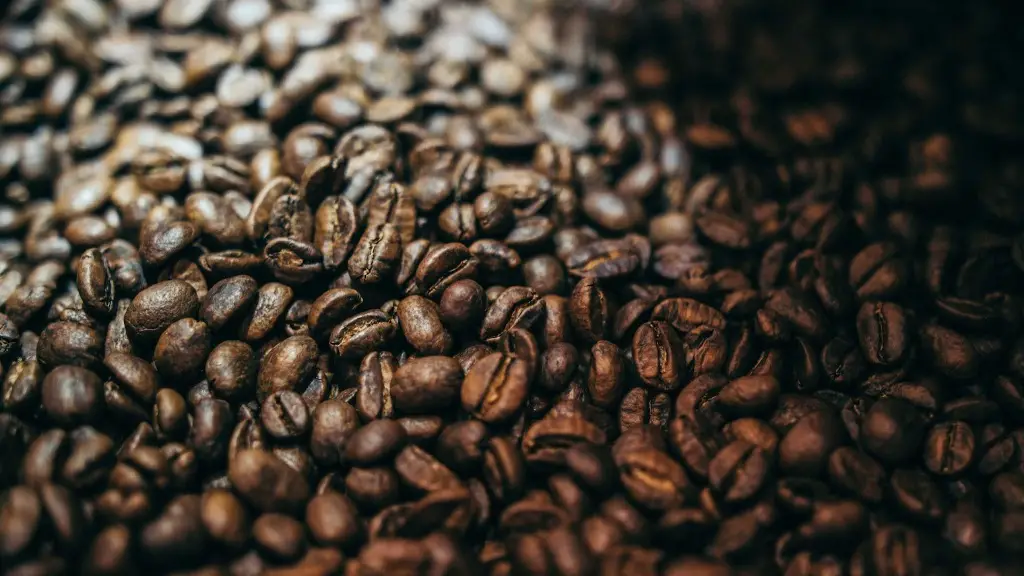
Caffeine is generally considered safe when consumed in moderation. However, too much of it can cause side effects such as insomnia, restlessness, and headaches. It is therefore important to monitor the amount of caffeine consumed and drink black coffee in moderation. An ideal amount for most adults is between 200-400 mg of caffeine per day. If a person is sensitive to caffeine or has a sensitive stomach, they should avoid drinking black coffee or reduce their intake.
Despite its stimulating effects, black coffee can also have a calming effect on the body. This is because the caffeine in the coffee stimulates the production of endorphins – the body’s feel-good hormones that can help relieve stress and improve mood. Additionally, when consumed in moderation, black coffee can offer a range of health benefits such as increasing energy levels, improving focus, increasing metabolism and promoting weight loss.
Intermittent Fasting and Black Coffee
Intermittent fasting is an increasingly popular dietary practice which sees people alternating between periods of ‘feeding’ and ‘fasting’. During the feeding period, people eat as they normally would, while during the fasting period they abstain from eating any solid food and drinks. Many experts believe this type of fasting may offer health benefits such as improved mental clarity, better insulin sensitivity, increased metabolic rate, and loss of excess body fat. However, it is important to note that intermittent fasting should not be undertaken without prior consultation with a medical professional.
Some health professionals recommend that people diring an intermittent fasting cycle include black coffee in their diets. This is because consuming black coffee can help reduce hunger and cravings, which are common during the fasting period. Additionally, if a person has a caffeine sensitivity, drinking black coffee can help them stay alert and energetic during their fast. Furthermore, black coffee can act as a diuretic, helping remove toxins from the body and promote better digestion.

Overall, it can be beneficial for people doing intermittent fasting to incorporate black coffee into their diets. However, individuals should be aware that black coffee likely has no effect on the body’s metabolism. This means that it will not speed up the burning of calories or fat during the fasting period. Therefore, while black coffee can help reduce hunger and cravings, it should not be relied on as a means of weight loss.
Health Benefits of Black Coffee
In addition to its stimulating effects, black coffee also offers numerous health benefits when consumed in moderation. Black coffee is low in calories and contains no saturated fats, so it can be a healthier alternative to other caffeinated drinks such as energy drinks. Additionally, it contains many essential nutrients such as Vitamin B2, Magnesium, Chromium, Manganese, Potassium, and Phosphorus, which can help boost overall health.
Black coffee is also rich in antioxidants, which are compounds known to reduce inflammation and promote heart health. Studies have shown that drinking black coffee can reduce the risk of stroke and heart attack and can contribute to overall better cardiovascular health. Furthermore, black coffee can help reduce the risk of certain types of cancer, such as liver, bladder, and colorectal cancer.
Additionally, black coffee can help boost metabolism, meaning it can help people burn calories and fat more quickly. This can be beneficial for those trying to lose weight or maintain a healthy weight. Additionally, it can help promote better mental alertness and focus, making it a great pick-me-up for those feeling sluggish and tired.
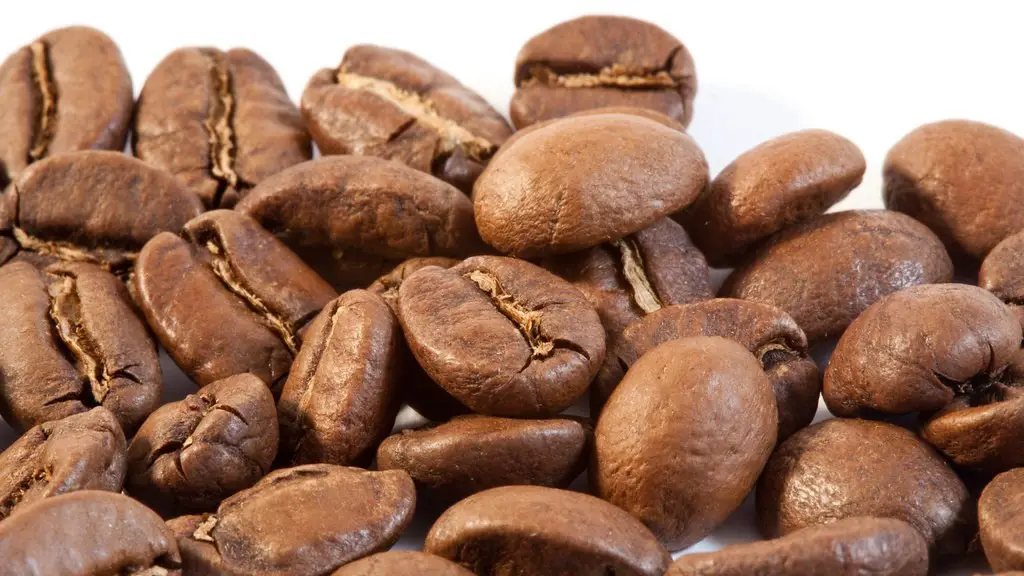
Finally, black coffee can also help reduce the risk of developing Type 2 Diabetes. Studies have shown that coffee can help improve insulin sensitivity, which helps the body better absorb glucose. This can in turn help reduce the risk of Type 2 Diabetes.
Drawbacks of Drinking Black Coffee
Despite the various health benefits it can offer, there are also some drawbacks associated with drinking black coffee. These include an increased risk of insomnia and restlessness, increased blood pressure and heart rate, and an upset stomach. Additionally, drinking black coffee can also interfere with the absorption of vital nutrients, vitamins, and minerals.
It is also important to note that for those with caffeine sensitivity, drinking black coffee can cause side effects such as nausea, headaches, and jitteriness; this is why it is important to monitor caffeine intake and drink black coffee in moderation. Drinking large amounts of black coffee can result in caffeine overdose, which can lead to more serious health complications such as heart palpitations and seizures.
Finally, drinking black coffee can lead to dehydration, as it is a diuretic. This means that it causes the body to expel more water than it takes in. It is therefore important to replenish fluids by drinking plenty of water when consuming black coffee. If the symptoms of dehydration persists, it is advisable to seek medical help.
Overall Summary

Deciding whether or not to drink black coffee during a fast is a personal choice that should be made after thorough consideration of personal beliefs, health implications, and spiritual or religious implications. Consuming black coffee can offer many health benefits when done in moderation, such as increasing energy levels, improving focus, and boosting metabolism. However, it can also lead to adverse side effects if consumed in excess, such as insomnia, restlessness, and headaches.
