
Coffee is one of the most popular drinks in the world, loved by people of all ages and cultures. It’s seemingly miraculous powers are often touted to help individuals focus, relax, and even lose weight. But is coffee really a weight-loss wonder? Many people believe that drinking coffee after a meal can help them lose weight, but scientific studies are still divided on the effects of coffee on weight-loss.
It’s important to note that there is no single definitive answer to the question of whether drinking coffee after a meal can help you lose weight. The answer may depend on the individual and how their body reacts to the substance. As with any diet or health-related question, it is always best to consult with a certified health professional before making any lifestyle changes.
Some studies suggest that caffeine and other substances in coffee can help people to lose weight by increasing metabolic rate, or simply by making them feel fuller and therefore consuming fewer calories. However, other studies show that caffeine can also lead to increased food cravings and an increased appetite. This is because caffeine can boost the release of hormones such as insulin and ghrelin, both of which impact hunger.

One thing that is certain is that coffee itself does not contain any fat-burning properties. As with most other things in life, it is not just the coffee that matters, but how it is consumed. For example, adding cream, sugar, and other ingredients to a cup of coffee can increase the amount of calories and fat consumed, which can counter the benefits of coffee.
So, while drinking coffee may provide a few benefits, it is important to be aware that it is not a miracle solution and should not be used as a replacement for a healthy diet and regular physical activity. In other words, the best way to achieve long-term weight loss is to create a healthy lifestyle that includes plenty of exercise and a balanced diet. Coffee can definitely be a part of this lifestyle, but should not be relied upon as the sole source of weight loss.
Does Caffeine Help To Increase Metabolism?
When it comes to weight loss and metabolism, caffeine does seem to have a positive effect. Studies have shown that ingesting caffeine can boost metabolism, meaning that the body burns more calories. This metabolic boost is thought to be due to the presence of compounds such as caffeine, theophylline and theobromine in coffee.
Although caffeine has been found to be effective in boosting metabolism, it can also lead to dehydration since it acts as a natural diuretic. As such, it is important to be mindful of how much caffeine one consumes, as excessive consumption can lead to dehydration and other health risks. Drinking plenty of water throughout the day can help counteract these effects.
How Much Coffee Is Too Much?

In terms of how much coffee is too much, this is a bit of a gray area because each individual’s tolerance levels will vary. It is generally recommended that individuals consume no more than 400mg of caffeine per day, or around 4 cups of coffee for most people.
Furthermore, it’s important to be mindful of the other ingredients that you may add to your coffee. Dairy and sugar, for example, can add a lot of calories to a cup of coffee, which can lead to weight gain if consumed in excess. For this reason, it is best to choose non-dairy alternatives such as almond or coconut milk, and limit the amount of sugar added to the coffee.
Can Coffee Help Control Hunger?
In addition to potentially increasing metabolism, coffee can also help to control hunger. Caffeine is thought to act on the highest level of the brain to reduce hunger. Therefore, drinking coffee after a meal can help to reduce overall caloric intake.
Furthermore, some research suggests that coffee can also help to reduce our overall calorie intake throughout the day. This is because drinking coffee can improve concentration and alertness, making it easier to stay away from unhealthy snacks and other high-calorie foods. However, this has yet to be proven with definitive scientific evidence.
What Other Benefits Does Coffee Have For Weight Loss?
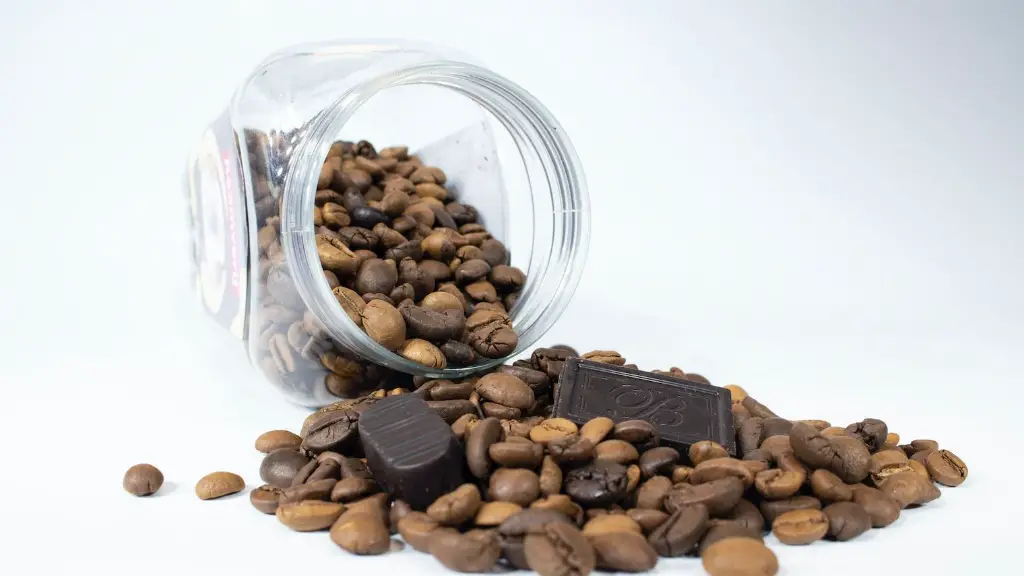
Finally, it’s important to note that coffee may also have other weight-loss benefits. Studies have shown that coffee can improve physical performance, which can lead to improved energy expenditure. Furthermore, coffee also has anti-inflammatory properties, and research has linked chronic inflammation to obesity.
In addition, caffeine can help to reduce appetite and even improve mood, making it easier to stick to a healthier diet and exercise routine. Nevertheless, it is important to note that these effects are not exclusive to coffee, as many other beverages and foods contain caffeine and have these same potential benefits.
Does Coffee Hurt Sleep?
Another factor to consider when it comes to coffee and weight loss is the impact it can have on sleep quality. Studies have shown that caffeine can reduce the amount of deep, restorative sleep an individual gets, decreasing the amount of time their body has to repair itself. This can lead to an increased risk of fatigue and even weight gain.
Therefore, it is important to bear in mind that drinking coffee late at night, or at any point during the day before bed, could lead to insomnia and hinder the body’s ability to burn fat. It is recommended that individuals avoid drinking coffee at least 6 hours before going to bed, to ensure they get the rest they need.
Does Coffee Suppress Appetite?

Coffee has long been thought to have appetite-suppressing qualities. This is because coffee is often used as a stimulant, which can help to stave off hunger. However, there is still a lot of debate on whether coffee can truly suppress hunger and aid in weight loss.
While coffee may help to reduce hunger in the short term, it is important to note that it may not be effective in the long run. This is because the body becomes used to caffeine and its effects tend to decline over time. Furthermore, caffeine can also cause hunger-inducing hormone levels to rise, meaning that it can ultimately lead to increased hunger after the effects have subsided.
Can Coffee Lead To Long-Term Weight Loss?
When it comes to the question of whether drinking coffee after a meal can help you lose weight, the answer is still unclear. While coffee can have some short-term metabolic and appetite-suppressing benefits, it is important to bear in mind that these effects may vary from one individual to another. Furthermore, it is important to remember that coffee should not be relied upon as the sole source of weight loss.
In order to achieve long-term weight loss, it is important to create a healthy lifestyle by eating a balanced diet and getting plenty of exercise. Coffee can be part of this lifestyle, but should still be consumed in moderation. Ultimately, the best way to ensure optimal weight loss and health is to consult with a certified health professional.
