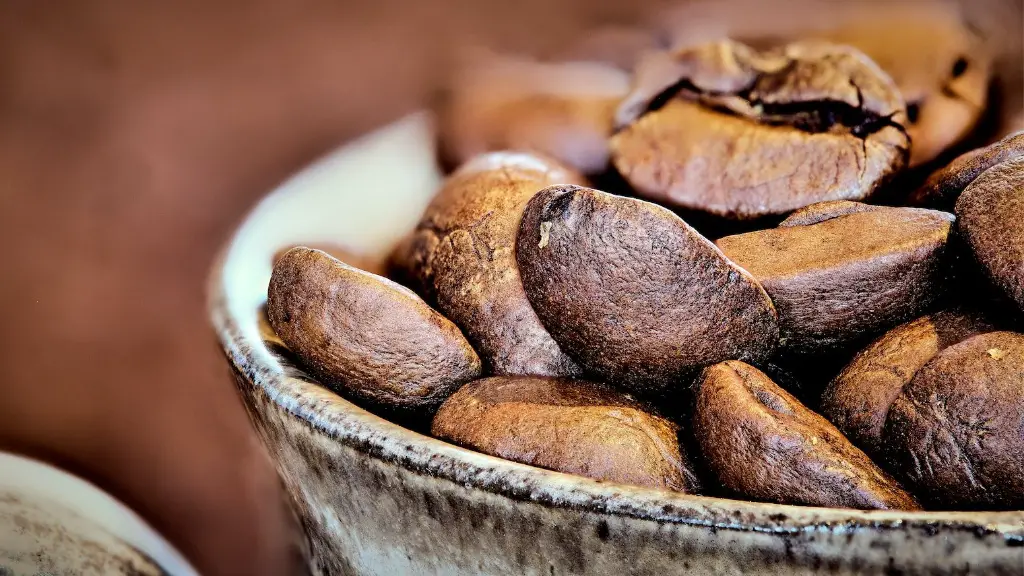
Coffee is one of the world’s most popular beverages, but is it really affecting your health in a negative way? In some cases, drinking coffee has been linked to the development of hemorrhoids, which can be an uncomfortable and embarrassing condition. So what is the connection between coffee and hemorrhoids? Here is a deep dive into the research to help you decide if you should reduce or even eliminate coffee from your diet to reduce the chances of developing hemorrhoids in the future.
Basic Anatomy of Hemorrhoids
Basically, hemorrhoids are a bunch of swollen veins in the lower rectum and anus. They can be internal and external, when external ones are known as piles. When a person is having difficulties in getting rid of their stools, it may become painful to strain and thus increase the pressure within the rectum and anus. This causes further swelling of the veins. Excessive straining can be the result of dehydration and constipation.
Caffeine Contributes to Hemorrhoids
Drinking too much coffee can lead to dehydration and an imbalance in the electrolytes of the body, which can lead to constipation and difficulty eliminating stool. This situation can cause unnecessary straining and thus increase the pressure within the rectal veins, leading to the swelling of hemorrhoids. Caffeine-rich beverages are also known to cause nervousness and anxiety, which can cause repeated and strenuous contraction and relocation of muscular rings, which is also not good for hemorrhoids.
Alternatives to Coffee

To reduce the risk of hemorrhoids, it is recommended to reduce your coffee consumption and replace it with other beverages that are hydrating without the high level of caffeine. Water should be the main fluid in your daily routine as it helps to flush out toxins and keep your electrolytes balanced. Other low-caffeine and nutrient-rich options can include herbal tea, freshly squeezed juices and coconut water.
Lifestyle Changes To Consider
It is important to note that reducing or eliminating coffee from your diet will not solve all issues related to lifestyle and health, a change in lifestyle is necessary to reduce the risk of hemorrhoids. Increase physical activity, drink plenty of water (at least two litres per day), and consume a balanced diet high in natural fibres can help you to alleviate constipation, decrease pressure in the veins, and reduce symptoms of hemorrhoids.
Tips To Manage Hemorrhoids
If you are already suffering from hemorrhoids, there are a few things you can do to help manage the problem. Be sure to keep the affected area clean and to include anti-inflammatory foods like turmeric in your diet. Avoid sitting for extended periods of time and take plenty of rest. Over-the-counter gels, creams and suppositories may help to reduce inflammation and discomfort. Most importantly, ask your healthcare provider for advice. They may recommend further treatments according to the progression of the condition.
Surgery is Not the Only Option
In some cases, people may suffer from severe hemorrhoids and their doctor may recommend a hemorrhoidectomy, or surgical removal of the veins. However, this should be seen as a last resort and not a routine treatment. Most hemorrhoids can be managed very well with lifestyle changes such as drinking plenty of water and exercising regularly. Therefore, it is worth considering reducing or even eliminating coffee from your diet to prevent the occurrence of hemorrhoids in the future.
The Importance of Professional Support
It is important to take preventative action regarding hemorrhoids and to know your body and what it is going through. Therefore, even if you have not yet started feeling any symptoms, it might be a good idea to make an appointment with a qualified medical professional to discuss your lifestyle and potential risks associated with it. They will be able to give you further advice and guidance on how to reduce the chances of developing hemorrhoids.
Natural Remedies and Herbal Solutions
When it comes to treating hemorrhoids, there is a wide array of natural remedies that can provide relief. These can range from simple changes to your diet, such as increasing your intake of fresh fruits and vegetables, to herbs like aloe vera or witch hazel which can help to relieve pain and inflammation. Some people also report a benefit from taking herbal supplements such as butcher’s broom and horse chestnut. You should always be sure to consult your healthcare provider before taking any herbal remedies.
The Role of Stress and Anxiety
We live in an increasingly stressful world, and stress and anxiety can have a major impact on our physical health, including the development of hemorrhoids. Therefore, it is important to have time for yourself and practice relaxation techniques such as mindfulness or yoga. Doing so can help to reduce the chances of developing hemorrhoids, as well as having other positive impacts on your overall wellness.
Using Essential Oils As An Alternative Treatment
Essential oils are also becoming increasingly popular as an alternative treatment for hemorrhoids. Oils such as lavender, peppermint and cypress are thought to reduce pain and inflammation, while chamomile may help alleviate itching. It is important to be sure to dilute any essential oils with a carrier oil before applying to the skin. It is also always recommended to speak with a healthcare professional before using any essential oil therapeutically.
