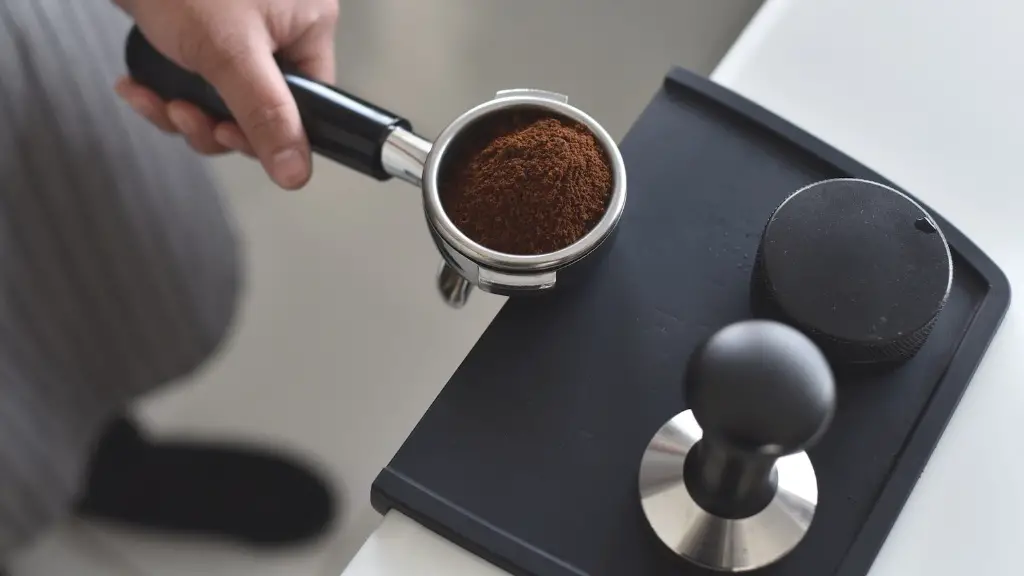
Coffee is one of the most popular drinks in the world, with millions of people enjoying its taste and aroma every day. But drinking coffee also has a few side effects, and one of the most commonly reported is loose stools. It’s important to understand why this might be the case, and how much coffee might be too much.
When coffee is consumed, it sends a signal to the gut to increase its activity. This results in an increase in peristaltic activity, which is responsible for moving food through the intestines. It’s this increased activity that causes the stool to become loose. However, the degree to which the stool becomes loose varies from person to person and can depend on other factors such as diet, medications and stress.
According to experts, the amount of coffee consumed can also affect the severity of the loose stools. A cup of coffee contains about 95 milligrams of caffeine, which is considered to be the safe daily limit for adults. Any amount greater than this may cause the stools to become loose. In addition, the more coffee you drink the more likely it is that you’ll experience loose stools. This is because the body becomes more tolerant to the effects of caffeine, so regular drinkers will need to consume more to get the same effect.
There are a few ways to reduce the risk of loose stools when drinking coffee. Eating foods high in fiber can help add bulk to the stool and reduce its looseness. Foods such as beans, whole grains, fruits and vegetables all provide the necessary fiber to help combat this side effect. Taking probiotics can also help reduce the risk, as they help restore balance to the digestive system. Lastly, reducing the amount of coffee consumed can usually improve the consistency of the stool.
Alternatives To Coffee
If you find that you’re still experiencing loose stools despite trying the above methods, then you may want to consider cutting back on your coffee intake or switching to an alternative. Decaffeinated options are available, although they typically don’t have the same flavor and aroma that regular coffee provides. Other alternatives include herbal teas, green tea, yerba mate and natural energy drinks. All of these can provide a boost of energy without the risk of loose stools that comes with drinking too much coffee.
Habitual Caffeine Intake
Caffeine in general has an effect on the digestive system, and drinking coffee regularly can cause the body to become accustomed to it. This is known as habitual caffeine intake. When this occurs, the body stops responding to just one or two cups of coffee, and more is required to produce the same effect. This means that if you’re a regular coffee drinker and you’ve noticed that you’re having loose stools, then you may need to cut back on your intake.
Tips for Avoiding Loose Stools
If you’re a regular coffee drinker and you’d like to reduce the risk of loose stools, then there are a few steps you can take. One of the best things you can do is to reduce your intake and keep it to around one or two cups per day. You can also try switching to a decaffeinated option, or using an alternative such as green tea or herbal teas. Finally, ensuring that you’re getting enough fiber in your diet can help maintain the consistency of the stool.
Evidence of Coffee Health Benefits

While it’s important to understand the risks associated with drinking coffee, it’s also important to recognize the benefits it can provide. Studies have shown that coffee can reduce the risk of certain types of cancer, heart disease and other illnesses. It’s also a great source of antioxidants, which can help protect your cells from damage caused by free radicals. Finally, coffee can improve mental focus and alertness, which can be beneficial for those who need a boost of energy.
Allergic Reactions to Coffee
In some cases, people can have an allergic reaction to coffee, which can also cause loose stools. Symptoms of an allergic reaction can include nausea, abdominal pain, vomiting and diarrhea. If you’re experiencing any of these symptoms after drinking coffee, then it’s important to see a doctor. It’s also a good idea to keep a record of any symptoms you experience after consuming coffee, as this can help your doctor diagnose any potential allergies.
Should you Cut Out Coffee?
Drinking coffee can certainly have its risks, but that doesn’t mean that you need to completely cut it out of your diet. The key is to know how much is too much and make sure to listen to your body. As long as you’re aware of the potential risks and take steps to reduce them, you can still enjoy coffee and the many other benefits it provides.
Coffee Withdrawal Symptoms
If you do decide to reduce your coffee intake, it’s important to understand the potential withdrawal symptoms that you may experience. These can include headaches, fatigue, irritability and difficulty concentrating. These can usually be alleviated by gradually reducing your intake, rather than abruptly stopping. Taking a break from coffee can also be a great way to reintroduce your body to it, as it can help you reset your tolerance and reduce the risk of negative side effects.
Can Coffee Help You Lose Weight?

Another popular question regarding coffee and its effects on the body is whether it can help you lose weight. While caffeine can give you an energy boost, studies have shown that it does not lead to any significant weight loss. So while you can enjoy coffee for its taste and other benefits, it’s probably not going to help you shed those extra pounds.
