
Drinking coffee first thing in the morning can be a great way to wake up, increase alertness and improve concentration throughout the day. It is, however, important to understand the effects that coffee can have on the body, in order to be able to enjoy its benefits and reap the most out of it.
Caffeine, the main component in coffee, is a stimulant that can increase alertness and attention span, as well as affect the mood. It can also cause a slight increase in blood pressure, increased heart rate and irritability in some people. Additionally, studies have found that coffee can reduce headaches, and even help fight off depression.
Aside from these effects, drinking coffee may also have a positive effect on cognitive performance. For instance, a study has shown that consuming an average of 400mg of caffeine improves the performance on certain tasks such as episodic memory, mainly because caffeine increases alertness and encourages participants to stay focused on the task at hand.

However, drinking too much coffee can also have some detrimental effects to your health. It can cause jitteriness and feelings of anxiousness, as well as lead to irritation, restlessness and increased blood pressure. Additionally, due to its diuretic qualities and dehydrating effects, it can also lead to increased urination in some individuals.
When drinking coffee, it is important to keep in mind that the way you prepare it and the amount of caffeine in it, can also affect your overall experience. For instance, espresso shots contain more caffeine than filter coffee, so if you are a regular drinker, having an espresso in the morning might be too much for your body. Keeping track of your caffeine intake is also important, to ensure that you don’t exceed recommended levels and suffer from any of the derogatory effects of too much caffeine.
It is important to assess your own needs and habits when deciding whether drinking coffee first thing in the morning is a good idea for you. Pay close attention to your body and assess whether the effects of caffeine are helping you or hindering you in any way. Remember, it is important to drink in moderation and never exceed the recommended daily intake.
Milk and Sweeteners
Aside from choosing the right kind of coffee to drink, adding milk and sweeteners can also affect your overall experience when drinking coffee. Milk can reduce the bitterness of the coffee and has the potential to alter its taste depending on the type used. Some coffee enthusiasts like to add steamed milk, while others prefer almond milk or oat milk.
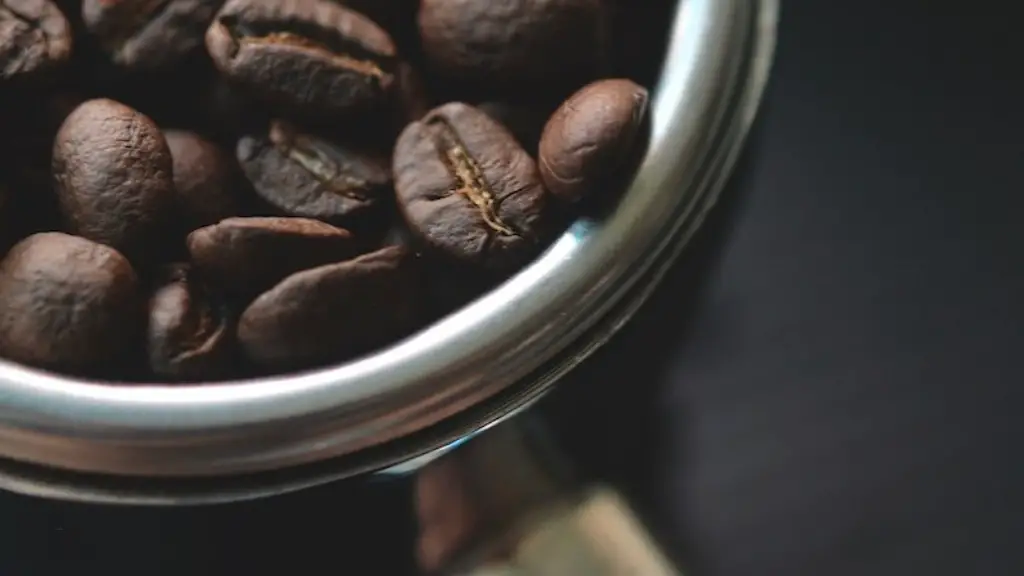
In terms of sweeteners, they can also affect the taste of the coffee, although they have significantly less impact than milk. Sweeteners such as sugar, stevia and agave can give coffee an added sweetness, making it more palatable for those who cannot tolerate the strength of coffee. It is important, however, to note that some sweeteners such as agave and stevia may not be suitable for those with diabetes.
In terms of the amount of sweetener used, it is important to remember that too much of it can do more harm than good, as it can mask the natural flavour of your favourite blend. Keep in mind that if you are looking to improve the taste of your coffee cup, more likely than not, it is because you are not using the right beans or they are not ground properly.
Time
Time can be a key factor in finding the right balance when drinking coffee first thing in the morning. Drinking coffee immediately after waking up can give you an alertness boost, but it can also potentially interfere with your natural circadian rhythms. Instead, some coffee-drinkers prefer to wait 20 to 30 minutes before they make their coffee, thus giving their body enough time to naturally wake up and start the day. However, if you like drinking coffee immediately after waking up, it is important to keep in mind that you should never drink coffee on an empty stomach, as the caffeine can cause irritation and possible stomach upset.
It is also worth keeping in mind that coffee has a half-life of about 5-6 hours, so for those who are particularly sensitive, having coffee later in the day might be a better choice.
Accessibility

The accessibility of coffee can also influence how it is consumed. Coffee is more likely to be enjoyed when it is readily available. For example, having an espresso machine or grinder at home makes the process of making coffee much easier and faster, thus making it possible to brew quickly in the morning. Additionally, having freshly-ground coffee beans can also improve the flavour and make it easier to drink black.
Alternatively, having a coffee shop or café close by can also make it possible to enjoy your favourite drinks without having to go out of your way. Visiting a café can also be a great experience, as it can become a part of your daily routine or even a social activity.
Preparation
When it comes to preparing coffee, it is important to bear in mind that the way you prepare it can drastically affect the taste. Some believe that cold brews, for instance, have a smoother taste, whereas others may prefer espresso shots. Additionally, having the right kind of equipment and tools can make the process of making coffee much easier and more enjoyable.
When selecting the beans to use, it is important to keep in mind that different origins, varieties and blends all taste differently, so you may need to experiment until you find something you love. Some coffee-drinkers also suggest storing coffee beans in the freezer, as it will preserve the freshness and aromas. Additionally, purchasing freshly-roasted coffee beans can also make a difference when it comes to flavour.
Equipment
When it comes to the actual equipment used, there is a variety of options to choose from. From manual espresso machines and traditional stovetop pots, to automatic machines and single-serve brewers, the possibilities are endless. It is important to note, however, that some of these machines require more technician skills than others and may require a certain amount of experience or knowledge.
Moreover, when making coffee at home, having a reliable, quality grinder is key. This can help you make cafetières, drip filters and even espresso shots, depending on the type of grinder you have. Depending on the model, some grinders can grind up 30-40 seconds and can handle large amounts of coffee beans at once.
Strength
The strength of the coffee can also play a role in how you consume it. Coffee that is too strong may be off-putting to some whereas for others it may be the ideal cup. Increasing or decreasing the amount of coffee used for a cup can help adjust the strength of the beverage, although ultimately the taste and strength of the coffee depends on the kind of beans used.
Experimenting is a great way to find the perfect strength for your daily cup and is especially useful for occasions when you want to make something special for guests. Different brewing methods and styles can also influence the taste, so it is worth researching different recipes.
Brewing Methods
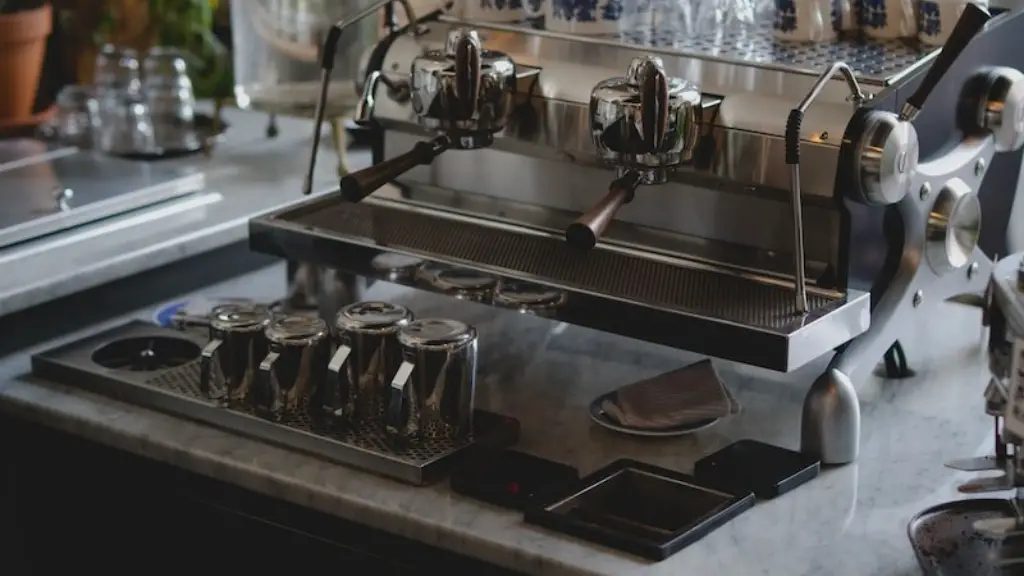
There are many brewing methods available and they can range from simple pour-over methods and manual machines to automated ones. The type of brewing method used can drastically affect the taste of your coffee. While some prefer using manual drippers, others may prefer using an aeropress, French press or even a vacuum brewer.
It is also worth keeping in mind that different coffee-making methods require different grind sizes. For instance, espresso usually requires a finer grind than drip coffee, as fine grounds extract more flavour and have a deeper taste. Additionally, some coffee-making methods such as pour-over techniques require special tools and techniques, so it is important to make sure you are following the directions correctly.
Storage
When it comes to storage, it is important to note that properly storing coffee is key for preserving its freshness. It is suggested to store coffee in an airtight container, preferably made from glass or ceramic. This will help keep out moisture, oxygen and light which can spoil the taste of the coffee. Additionally, if the coffee is to be stored for a long time, it is recommended to put it in the freezer.
Other than that, it is also important to note that some coffees, such as espresso, can be pre-ground and stored in the refrigerator. Pre-ground espresso can last up to two weeks and will have a much fresher taste than pre-ground coffee. However, it is important to remember that pre-ground coffee, whether it is espresso or not, will have a much shorter shelf life than freshly-ground coffee.
Roasting Process
Lastly, the process of roasting the beans can also play a role in the flavour and aromas of the coffee. The roasting process can help improve the quality of the beans and make them more aromatic and flavourful. Generally, lighter roasts will have more acidity and floral notes, whereas darker roasts will have a richer, more chocolatey taste. Experimenting with different roasts can be a great way to find the one that best resonates with your tastes.
When it comes to coffee, it is important to keep in mind that there are many variables at play when it comes to how it is consumed. From the type of beans to the way it is prepared and stored, all of these factors can play a role in making the perfect cup of coffee.
