
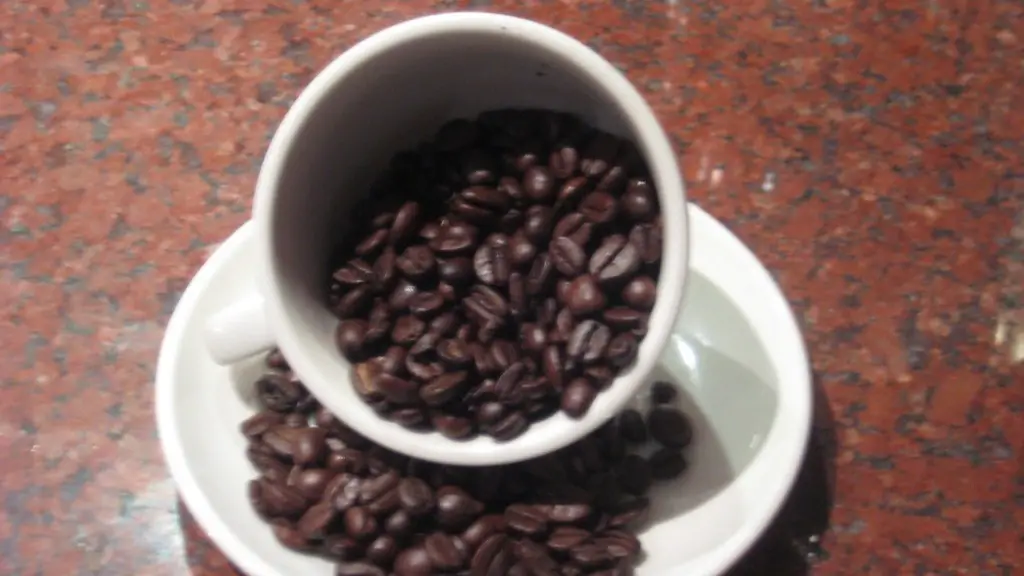
For centuries, coffee has been known to have numerous health benefits, but can it be used to promote weight loss too? There is no denying that coffee can help you focus and increase energy levels, however scientific evidence is still inconclusive about its effect on weight loss.
Drinking coffee can cause an increase in the metabolic rate of the body, speeding up the fat burning process. It does not matter if you are drinking regular coffee or caffeine-free coffee – it will still boost your metabolism and provide you with energy to exercise and maintain an active lifestyle. For this reason, some experts suggest that increasing your daily coffee intake can be beneficial for weight loss.
Despite this, other nutritionists remain cautious and point out that while there can be some potential benefits of drinking coffee, it should be done in moderation. Whilst coffee and its naturally occurring caffeine can give your weight loss efforts a kick-start, if consumed in excessive amounts, the stimulant can cause increased hunger. So the key isn’t necessarily drinking more coffee, but essentially drinking the correct amount.

Additionally, if you are drinking coffees with added milk, cream or sugar your weight loss efforts can be hampered. For that reason, if you are aiming to lose weight, it is important to make sure that your cup of coffee does not contain any extra calories. Therefore, having a cup of black coffee – which is essentially calorie-free – can be beneficial in initiating weight loss, provided it is consumed in moderation.
Alternatively, researchers have also looked at the impact of green tea on weight loss. Studies have proven that consuming green tea can increase energy expenditure, therefore potentially resulting in fat burning. Recent research has also suggested that green tea can help reduce the absorption of fat from the digestive system.
Ultimately, if you’re looking to shed some excess poundage, it is important to focus on a balanced diet and exercise. Whilst coffee can be beneficial in giving your weight loss efforts a kick-start, it should not be used as the sole solution.
Dietary Changes
A balanced diet plays an important role in a successful weight loss program. Eating a good variety of fruits and vegetables will provide your body with the essential nutrients, vitamins and minerals needed for overall health. Try to limit sugary and processed foods, as these can wreak havoc on your weight loss journey. Incorporating healthy snacks into your daily routine can also help keep you feeling full and satisfied without the extra calories.
Making gradual changes to your diet can help you to stick to your dietary goals. Small changes such as choosing a salad instead of a sandwich, or having an unhealthy snack swapped for a piece of fruit, can make a significant difference. Keeping a food diary is also a great way to keep track of your progress and stay focused on your goals.
Exercising Regularly
Engaging in regular physical activity is one of the most important aspects of any successful weight loss program. Aim to exercise for at least 30 minutes, three times a week – an hour would be preferable. Exercise doesn’t have to be overly strenuous – even a walk around the block can be beneficial. Alternatively, you could incorporate HIIT (high intensity interval training) which is becoming increasingly popular for burning fat.
The type of exercise you choose will depend on your individual preferences, lifestyle and goals. Whether it’s strength training, aerobics, yoga or even just taking the stairs whenever possible, make sure you’re exercising regularly and not cutting corners when it comes to your health and wellbeing.
Strategic Eating
The timing of when you eat is also an important factor of any weight loss program. A lot of people make the mistake of skipping meals in order to lose weight quicker. However, skipping meals can actually slow down your metabolism, making it more difficult to lose weight. Eating healthy meals and snacks at regular intervals throughout the day can keep you feeling fuller for longer and provide your body with the vital nutrient and energy it needs.

It is also important to stick to a plan and not succumb to cravings. If you do have a craving for something that isn’t on your plan, it is best to wait it out for a period of time before allowing yourself to have it. You may find that your craving dissipates. If it doesn’t, allow yourself a sensible portion, or opt for a healthier alternative.
Staying Hydrated
Hydration is essential whilst on a weight loss journey. Dehydration can make you feel tired and can also lead to increased hunger and cravings. Staying hydrated helps to flush out toxins, reduce bloat and increases the effectiveness of the body’s metabolism. Aim to drink at least two liters of water each day, more if you are exercising.
Adding lemon slices to your water can also be beneficial, giving it a naturally sweet flavor without added calories. Alternatively, herbal teas – such as green tea, chamomile or peppermint tea – can provide a tasty alternative without the added caffeine found in coffee.
Sleep and Stress
Getting enough rest is equally important when it comes to your weight loss goals. Poor sleep, or lack of quality sleep, can affect your focus, increase cravings and fat storage. Try to spend time winding down before bed and prioritize sleep at least 7-9 hours a night for optimal wellbeing.

Also be aware of stress. High levels of stress have been linked to weight gain, and as such should be managed effectively. Whether it’s taking up a relaxing hobby, or simply taking time out for yourself, adopting a healthy lifestyle is essential to make sure you are able to stick to your goals.
