
Drinking coffee is one of the most popular ways to get your daily dose of caffeine. Many studies have shown that consuming coffee can help you in your weight loss journey. Many people believe that drinking coffee can boost metabolism and help burn fat, but is this really true?
In this article, we will discuss the scientific evidence behind drinking coffee and weight loss, what types of coffees are best for weight loss and how to incorporate it into your diet. We will also provide tips on how to make sure you are getting the most out of your coffee consumption.
Does Drinking Coffee Lead to Unwanted Side Effects?
Drinking coffee, although known for its energizing effects, can be a double-edged sword as it can have negative side effects when consumed in large amounts. Caffeine is a stimulant and has been shown to cause anxiety, restlessness, insomnia, and nausea in some cases. In addition to these physical side effects, research has also linked heavy caffeine consumption with increased heart rate, high blood pressure, and increased risk of stroke. In other words, drinking too much coffee can have serious health implications.

It is important to note that the amount of caffeine in each cup of coffee varies depending on the type of beans used and the brewing method. Generally speaking, a single cup contains between 60-100 milligrams of caffeine. For those looking to limit their intake or avoid the potential side effects of drinking coffee altogether, decaffeinated options are available.
On the other hand, moderate amounts of coffee may have beneficial effects such as improved focus and concentration due to its energizing properties. Additionally, studies suggest that moderate coffee consumption may reduce the risks for certain types of cancer and improve overall health by reducing inflammation. However, more research is needed in order to draw any definitive conclusions about the health benefits associated with drinking coffee.
All in all, it is essential to drink coffee responsibly and be aware that it can lead to unwanted side effects when consumed in large amounts. Moderation is key when it comes to any food or beverage choice and this applies especially when it comes to drinking coffee.
Caffeine and Appetite Suppression
Caffeine has long been studied for its potential effects on appetite suppression. Studies have shown that drinking coffee can help to reduce hunger and cravings in some people. It is believed that the caffeine in coffee stimulates the release of certain hormones that help to reduce food cravings. However, it is important to note that caffeine alone cannot lead to weight loss. Instead, it may be beneficial when combined with other lifestyle changes such as exercise and a healthy diet.

It is important to be aware that overconsumption of caffeine can have negative health effects, so it should always be consumed in moderation. Furthermore, individuals should not rely solely on caffeine for weight loss or appetite suppression; instead, they should focus on developing healthy lifestyle habits such as regular exercise and a balanced diet.Including more whole foods in your diet can also be helpful in controlling hunger. Ultimately, drinking coffee may help with appetite suppression but should not be used as a primary weight-loss strategy.
Does Drinking Coffee Help You Lose Weight?
Coffee has long been thought of as a potential aid to weight loss, but does it really act as a diuretic? Studies have shown that drinking coffee can help you lose weight by increasing metabolic rate and decreasing appetite, but it does not act as a diuretic. A diuretic is a substance that increases the amount of water and salt expelled from the body through urination. Although coffee may increase your metabolic rate and reduce your appetite, it does not cause you to lose more water than usual.
Coffee can help with weight loss, but only when combined with other healthy lifestyle habits such as reducing calorie intake and exercising regularly. Additionally, coffee itself contains calories and should be consumed in moderation. If you are looking for a way to shed extra pounds, drinking coffee is not the answer; however, incorporating it into a balanced diet and exercise plan may be beneficial.
Bottom line: While drinking coffee will not directly cause weight loss through diuresis, it can be part of an overall strategy to reach your health goals.
Best Time to Drink Coffee for Weight Loss
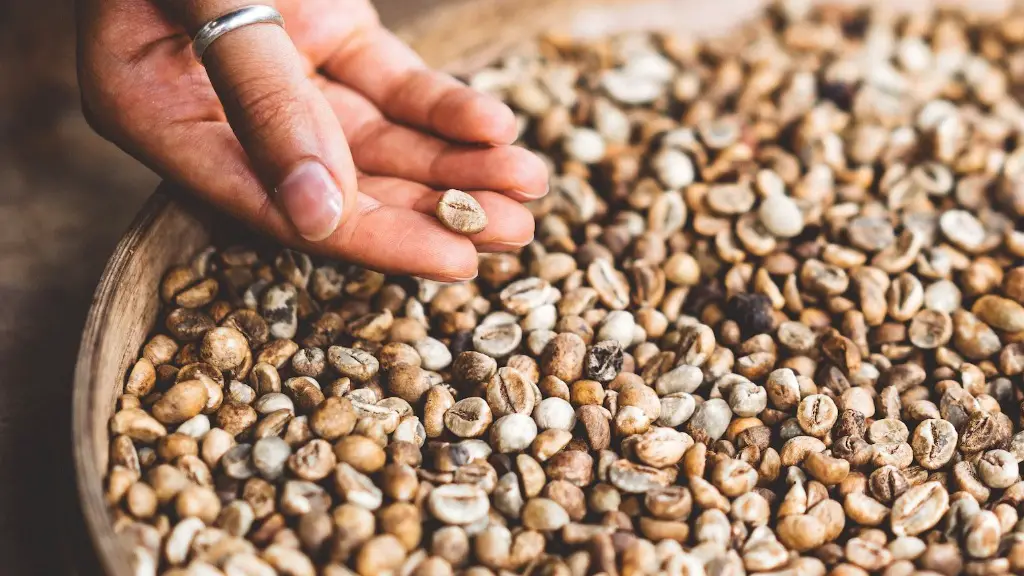
Drinking coffee can help support weight loss efforts. Caffeine in coffee can increase metabolism and fat burning, helping you to reach your weight loss goals faster. To maximize the benefits of coffee for weight loss, it is best to drink it early in the morning and before meals. The caffeine in coffee will help to suppress appetite, meaning you won’t feel as hungry and may be less likely to overeat.
Having a cup of coffee before breakfast is an especially effective way to lose weight, as it can help reduce cravings and promote satiety throughout the day. It’s also best not to add sugar or creamers that are high in calories when drinking coffee for weight loss. Instead, opt for low-calorie options such as almond milk or honey if necessary. Lastly, be sure to limit yourself to two or three cups of coffee per day while trying to lose weight—any more than this could lead to negative side effects such as stomach upset or nervousness.
Does Drinking Coffee Help You Lose Weight?
Drinking coffee can help you lose weight when consumed in moderation. Studies have found that drinking 3-4 cups of coffee per day can increase metabolism, reduce food cravings and help burn fat. Caffeine is a stimulant and can help boost your energy levels to keep you active throughout the day. Additionally, it can reduce appetite, helping to control portion size and caloric intake.
However, it is important to consume coffee in moderation in order to avoid any potential negative side effects of caffeine overconsumption such as anxiety, insomnia or digestive issues. Consuming more than 4 cups of coffee per day can decrease the effectiveness of the weight loss benefits associated with drinking coffee. It is recommended that individuals looking to lose weight drink no more than 2-3 cups of coffee per day for best results.
Drinking Coffee to Lose Weight

Coffee can be an important part of a weight loss plan. It is low in calories, and can help to boost metabolism. However, you should pay attention to what you add to your coffee when trying to lose weight. Adding sugar and cream can quickly add calories, so opt for healthier add-ins such as low-fat milk or sugar-free syrups. Additionally, be mindful of the type of coffee you are consuming and go for a light roast or dark roast that has not been flavored or processed with added sugars or fats. By making these simple changes, drinking coffee can become part of a healthy diet.
To Sum it All Up
Coffee has several components that have been linked to weight loss, such as caffeine and chlorogenic acid. However, it can also have negative effects if you add too much sugar or cream. Therefore, drinking coffee in moderation can be beneficial for weight loss, but it should not be the only factor. Adding exercise and a balanced diet to your routine is essential for healthy and sustainable weight loss.