
Caffeine and Anxiety
Coffee is one of the most popular drinks in the world and is known to give drinkers a quick burst of energy. But is it possible that the famous morning cup of joe could have adverse effects on our bodies? Studies have found that caffeine can result in feelings of restlessness and jitteriness and can even exacerbate feelings of nervousness and anxiety.
At its core, caffeine is a stimulant and as such, increases the activity in the central nervous system. It can raise your blood pressure and alertness, sending your body into fight or flight mode. When this happens, your heart rate quickens, blood vessels narrow and digestion slows, leading to feelings of physical tension and mental apprehension. Furthermore, some researchers have noted an increase in cortisol levels in response to caffeine consumption, indicating an added element of physiological stress.
Though moderate consumption of coffee shouldn’t cause extreme panic or stress-related symptoms, those who are already struggling with mental health issues like anxiety or depression can find themselves especially affected. Caffeine consumption can worsen existing difficulties as it can trigger a stress response or lead to worsened sleep routine which, in turn, can amplify emotions.

Generally speaking, the effects of caffeine are not all the same for everyone and it is important to consider biochemical individuality when assessing your experience. For some, a single cup of coffee can provide a light jolt of energy, whereas for others, it can start a debilitating cycle of nervousness and agitation. Thus, it is important to monitor your physical and mental response to coffee and to find a healthy balance when it comes to consumption; meaning understanding what is the right dose of caffeine for you without crossing over into problems.
Sleep and Caffeine
When caffeine enters the body, it is absorbed quite quickly and stimulates the brain and central nervous system. It then plays with the neurotransmitters which can result in feelings of alertness, energy and improved focus. Though many of us rely on caffeine to get us through an afternoon slump or to stay awake for a late-night study session, its effects can last for up to 8 or even 12 hours. With its stimulating properties, drinking caffeinated beverages too late can make it difficult to wind down and have a full, restful sleep.
Insufficient sleep is strongly linked to feelings of anxiety and depression as well as difficulty in concentration. Not getting enough (quality) sleep can throw off your emotions and cause mental exhaustion. This is why it is often being suggested to limit caffeine intake after noon, as it can affect sleep quality and duration, unfortunately leading to sharper and more intense anxiety.
It is thus advisable to recognize your own caffeine sensitivity, choose the right kind of beverage and the time of day, as these variables can all have a dramatic impact on the properties, effects and caffeine potency of different drinks.
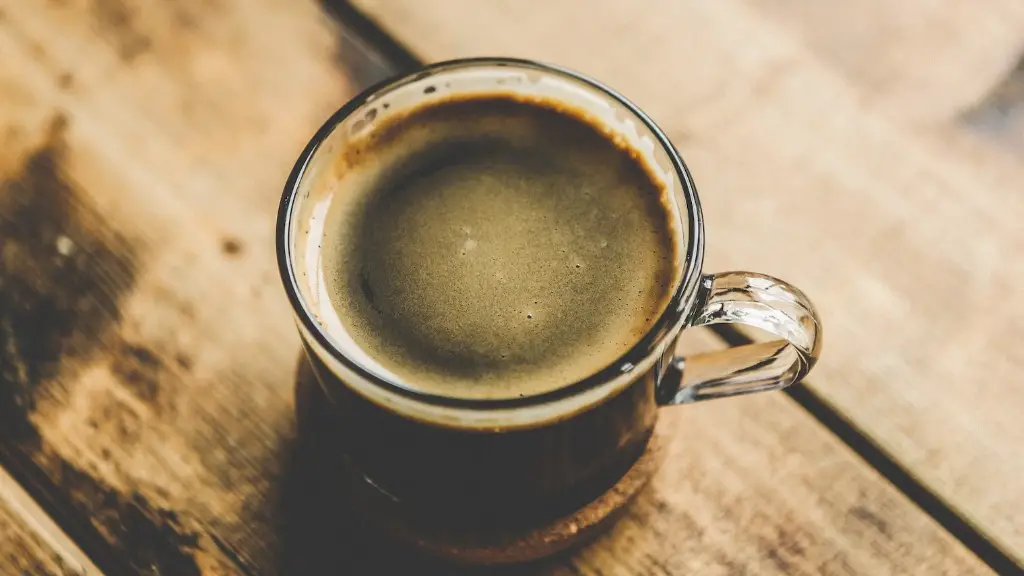
For instance, an espresso has more caffeine than an americano, but can also have higher amounts of anti-anxiety compounds like theobromine, making an espresso more pleasant, nervousness-wise. In addition, herbal teas or decaffeinated coffee might be a healthier option for those looking for an energy pick me-up without the undesired side effects.
Genetics and Caffeine
Our genetic makeup and biochemical predispositions can also drastically affect how our body reacts to caffeine. Some people possess genes that make their bodies more efficient in metabolizing caffeine, allowing them to process and remove it quicker, rendering them virtually immune to the stimulating effects. Alternatively, others are more susceptible to its potentially anxiety-inducing effects.
Different genes dictate one’s reaction to caffeine – some help break it down, while others boost its absorption into the bloodstream. This can cause dramatic shifts in how our bodies and minds react to the consumption of caffeinated drinks. Those with the relevant genetics could experience a burst of energy or improved concentration, whereas those with different genetics may feel nothing or the exact opposite – jitteriness or a jolt of distress.
It is thus impossible to determine exactly how you will be affected by caffeine intake, as it can be different for each individual. However, it is possible to become cognizant of your particular reactions here so that you can adjust your dosage accordingly. Over time, you will be able to identify the amount of caffeine that works best for your biochemistry and thus, can limit the unwanted side effects.
Psychological Factors

Healthy lifestyles, nutrition and exercise all play a role in boiling down anxiety levels, however, its specific triggering points are quite hard to determine. Mental health issues can be linked to a number of factors and caffeine consumption can sometimes act as a mental trigger, despite being something mundane, such as drinking a morning coffee before work. This could be due to a mixture of reactions launched by the combination of routine, environment and the effects of the caffeine too.
Worryingly, drinking coffee daily can also lead to a pandemic of habituation, where people don’t even realize that caffeine can be the cause of their anxiety. It is quite common for people to habituate to its effects and then take increasing dosages for the same effect. This escalates the anxiousness and can lead to physical or mental suffering, or both, in certain cases.
It is thus key to be mindful of your own caffeine consumption and to understand its effects on your body. Those already struggling with mental health issues should especially keep intake at a cordial minimum and to opt for mild phytotherapies if they need an energy peak early in the morning.
Dietary Considerations
Drinking coffee can act as a dietary aid and affect blood sugar levels depending on what you add to it. Sweeteners, flavored syrups, full-fat milk, cream, pastries and other accompaniments, can all spike glucose levels and amplify feelings of anxiety.

It is thus important to consider dietary and nutrient intake when it comes to caffeine. If you need a bit of fuel in the morning, there are healthier, anxiety-compatible options such as a Colombian coffee with a tablespoon of coconut oil or a mug of English breakfast tea with almond milk. Such combinations bring a smoother, more lasting energy boost and ensure you don’t have any unwelcome spikes or drops in your dietary nutrients.
Supplements
In addition, there are also some supplements that can help reduce the physical effects of caffeine intake and potentially limit the energetic and anxiogenic symptoms. Magnesium, for example, is a mineral that helps to relax the muscles and can equalize caffeine jitters. Asanas – such as sun salutations – are also an excellent way to stay alert, energized and relaxed, and they can help soothe any unwanted effects of drinking coffee.
Herbal teas, meditation, essential oils and chiropractic care are all potent, natural forms of therapy and can go a long way towards decreasing unwanted nervousness and symptoms of anxiety on the daily. Furthermore, some nutrients can help counteract the stimulating effects of caffeine. These include omega-3 fatty acids, ashwagandha and GABA, among others. However, it is best to test them and monitor your response, before reaching a conclusion.
Alternative Beverages
Luckily, there are numerous more healthful, yet stimulating, substances and beverages that can be used as a supplement. Sources of clean energy and natural stimulants include some unique adaptogenic herbs that are, on one hand, potent nerve and brain function boosters, but on the other, bring down the effects of stress respondencies.
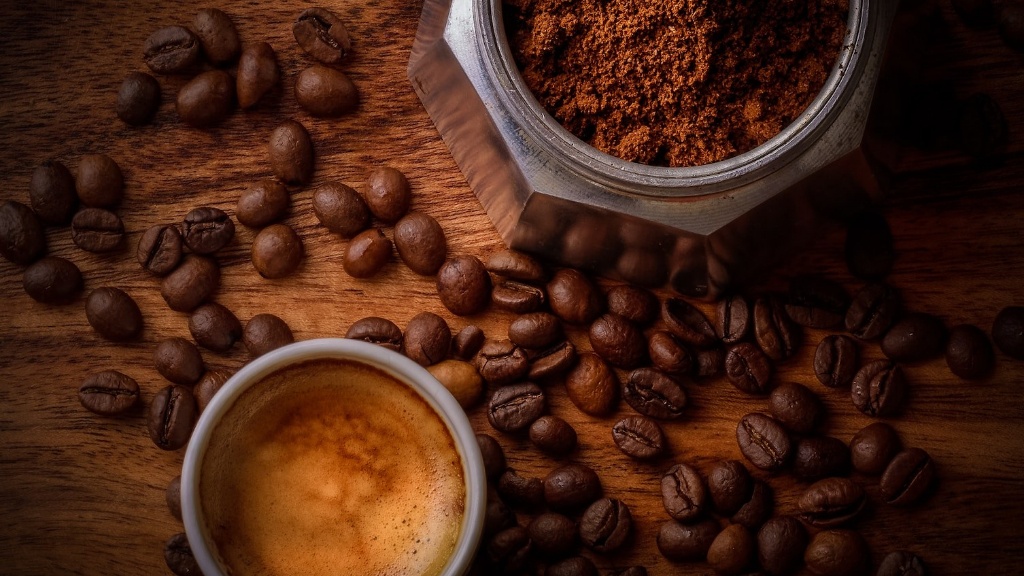
For example, guarana is an exceptionally rich source of caffeine and can be found in many natural energy drinks. It also carries vital antioxidants, which help balance the alertness and levorotatory effects of the caffeine. Other healthful energizers include Maca, being a common adaptogen, it provides vitality and strength, plus it is rich in phosphorus, calcium and iron and low GI.
Rhodiola Rosea is an excellent mental tonic and brain stimulant and – crucially – it helps the body withstand the vicious cycles of stress and anxiety. Last but not least, tulsi tea is an alcohol-free elixir from India, quite the substitute for morning coffee, which can assist in gaining inner peace and mental clarity.
