
Coffee is one of the most popular beverages in the world, and it’s often associated with waking up in the morning. It can also be used to help people stay energized and alert throughout the day, or even late into the night. But many people wonder if drinking coffee can actually make you sober, or if it only temporarily masks the effect of being drunk.
To answer this question, let’s first look at some of the science behind it. Studies have shown that coffee may help reduce the effects of alcohol by up to 10%, but this is not enough to be considered a significant improvement. In addition, the effects of the coffee generally wear off within just a few hours, which means that any relief it brings is only temporary. So basically, drinking coffee does not make someone sober.
However, drinking coffee can help in other ways when it comes to dealing with alcohol. For example, it can help with the feeling of being ‘hung over’ the morning after a night spent drinking, as caffeine aids in the management of fatigue and improves alertness. Moreover, it can help reduce the time it takes for the body to rid itself of alcohol, as caffeine acts as a diuretic, which is why it is often recommended for people who are trying to get rid of toxins from their body.
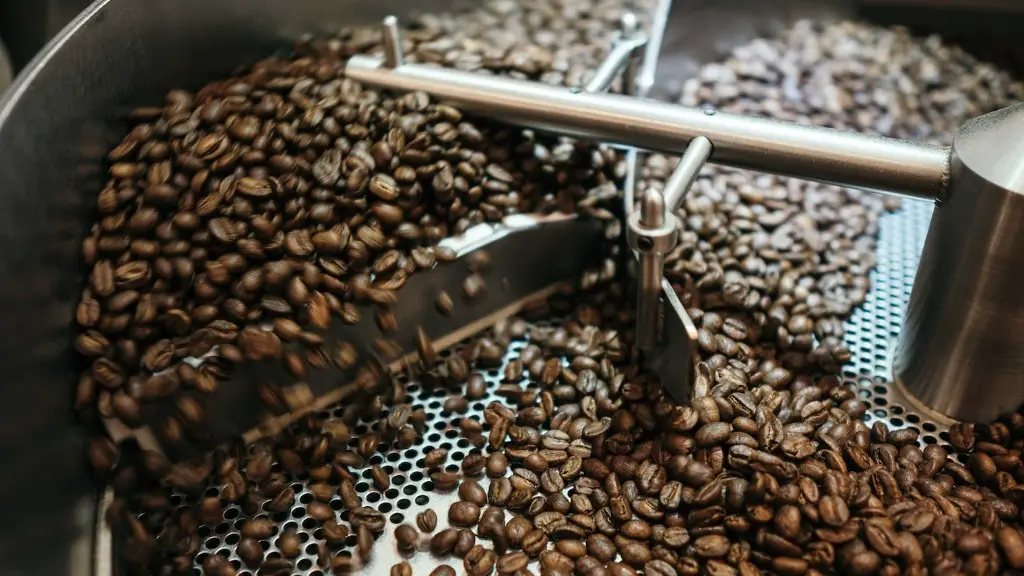
So while it is true that drinking coffee won’t make you sober, it can still be beneficial in other ways. It can help reduce the effects of a hangover, increase alertness while drinking, and even help speed up the body’s natural process of getting rid of alcohol. According to experts, it is important to remember that while coffee can be helpful, it should only be used in moderation and as part of a comprehensive strategy for dealing with alcohol that includes things like eating a balanced diet, staying hydrated, and getting plenty of rest.
Alcohol and Hydration
Another important factor to consider when talking about coffee and alcohol is hydration. While coffee itself contains a significant amount of water, it is not an ideal beverage for rehydrating the body, because it is a diuretic. This means that it can cause you to become more dehydrated in the long run. Experts recommend drinking plenty of water along with coffee if you are going to consume alcohol, in order to minimize the effects of dehydration.
Additionally, coffee can act as a stimulant, which can cause further dehydration in people who are already feeling the symptoms of alcohol consumption. For this reason, it is important to make sure that you are drinking enough water while drinking coffee in order to avoid suffering from extreme dehydration.
Coffee and caffeine can also act as a crutch for people who regularly consume alcohol. When the effects of the caffeine start to wear off, they can leave you feeling increasingly drunk and intoxicated. This can make it more difficult to remain vigilant and sober, putting you at a greater risk of making poor decisions while under the influence.

Lastly, it is important to note that coffee is not a replacement for proper alcohol management strategies. While it may be helpful in managing with the effects of alcohol, it is not a proven way of staying sober. For that, it is important to remember to drink responsibly and always take steps to ensure your safety and that of those around you.
Coffee and Mental Health
Drinking coffee regularly can also have an effect on your mental health. Studies have found that people who consume coffee regularly may be at an increased risk of suffering from anxiety and depression. Additionally, drinking too much coffee can have a negative effect on sleep quality, leading to fatigue during the day and difficulty concentrating.
Moreover, excessive coffee consumption may be linked to a range of physical health issues. Studies have shown that heavy coffee drinking may increase the risk of gastrointestinal problems, such as ulcers and heartburn. It can also lead to problems such as excessive urination, dehydration, and even high blood pressure.
Therefore, it is important to be mindful when it comes to drinking coffee. While coffee can be beneficial in moderation, it is important to pay attention to your mental and physical health when consuming it. It is also important to remember that drinking coffee can never replace proper alcohol management strategies, so it is important to always prioritize safety when drinking.
Limitations of Coffee
Despite its potential benefits, drinking coffee can’t make you sober. Additionally, it can lead to other physical and mental health problems, such as increased risk of anxiety and depression, and even ulcers and heartburn. Therefore, it is important to be mindful when it comes to coffee consumption, and always prioritize safety and responsibility when drinking alcohol.
Additionally, coffee can be a crutch for those who drink regularly, as the stimulant effects can leave them feeling drunk when the effects start to wear off. This can make it more difficult to stay sober and vigilant, leading to an increased risk of making poor decisions. Therefore, it is important to remember to drink responsibly and always take steps to ensure safety.
Caffeine Intolerance
Another thing to consider when talking about coffee and alcohol is caffeine intolerance. Many people are sensitive to caffeine, which can cause physical and mental symptoms such as headaches, jitteriness, and even insomnia. For this reason, it is always important to be mindful of how much caffeine you are consuming when drinking coffee or any other caffeinated beverage.
Additionally, it is important to be aware that some people may be unable to tolerate even small amounts of caffeine, and so it is important to pay attention to personal reactions and adjust accordingly. Moreover, it is important to be aware that not everyone is the same, and so it is important to talk to a healthcare professional to determine what is best for you.
Drinking Coffee Wisely

Overall, drinking coffee can be beneficial in moderation, but it is important to remember that it can never replace proper alcohol management strategies. Therefore, it is important to prioritize safety and responsibility when drinking, and to always make sure to keep hydrated when drinking coffee. Additionally, it is important to pay attention to personal reactions, as everyone is different and some people may be more sensitive to caffeine than others.
As with any beverage, drinking coffee in moderation is usually the safest option. It can be helpful in managing with the effects of alcohol, but it is important to remember that it will only provide temporary relief. Therefore, it is always important to drink responsibly, and to remember that coffee will never make you sober.
