Does Drinking Coffee Make You Sweat?
Drinking coffee is universally associated with getting a burst of energy, focus and alertness. But did you ever wonder if drinking coffee can cause sweating too? Perhaps you have even experienced yourself feeling sweaty after having a cup of coffee.
Through decades of research, scientists have looked into this correlation between drinking coffee and experiencing a sweat response. They concluded that coffee can, in fact, make some people sweat. Although caffeine and theophylline (ingredients found in coffee and other beverages) act as stimulants that can lead to sweating, the exact cause has yet to be determined.
The stimulant effects of coffee kick in quickly, which can cause the body to increase its level of sweat secretion, but the amount and intensity of sweat produced from drinking coffee can vary from person to person. Some people might be prone to feeling fevers or hot flashes after consumption, due to certain metabolic pathways that are triggered by the caffeine in coffee.
Additionally, those with existing hyperhidrosis (a medical term for excessive sweating) are more likely to experience an increase in sweat production, which can be extremely uncomfortable. For them, it is essential to monitor the amount and type of coffee drink consumed, as it might be too potent.
Coffee has also been linked to stress, which is another potential cause of sweat, according to some experts. Stress can cause an increase in cortisol, the “stress hormone,” and elevated levels of this hormone can trigger a sweat response. The caffeine in coffee can work as a mild stimulant, which can increase stress levels, and therefore result in sweating for certain people.
Moreover, other studies have indicated that people who drink coffee tend to have higher levels of sympathetic nervous system (SNS) activation and this can cause an increase in sweat production. This is due to the SNS’s role in regulating body temperature, therefore when it is activated, it will, in most cases, start to increase the body temperature, which can lead to sweating.
Diet and Sweating Related to Coffee
The food that we consume can also play a role in how much we sweat and this is especially true when it comes to coffee. If you typically consume coffee with food, the combination of both can affect your sweat levels. Caffeinated drinks are best to be consumed alone on an empty stomach, as food can slow down the absorption and can lead to an increase in sweat production.
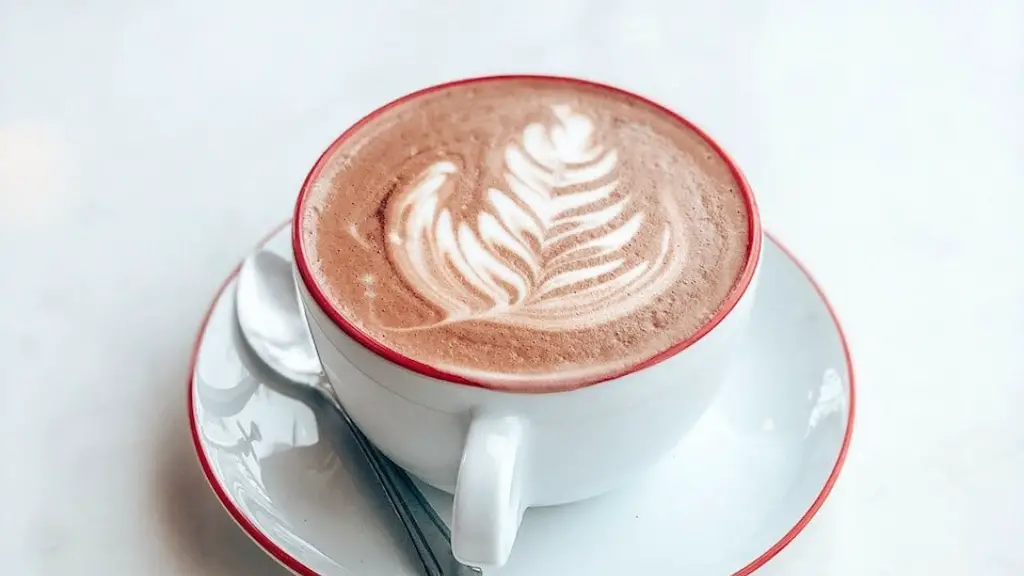
Furthermore, coffee in itself is dehydrating. Therefore, if you consume coffee often, it is essential to increase your water intake to maintain proper hydration levels. Otherwise, this can cause a sweat episode due to dehydration. Similarly, if you frequently have coffee rich drinks, such as lattes, frappes and mochas, this can contribute to a sweat response because of the high levels of sugars found in them.
Lastly, it is important to note that caffeine can act as an antioxidant when consumed in high amounts. Researchers have determined that the antioxidant properties in coffee can reduce the stress that is caused by exercising and this can, in turn, reduce the amount of sweat that is produced.
Choose Coffee Wisely
If you are a regular consumer of coffee and want to avoid sweating while drinking it, there are several tips that may help. First and foremost, if you don’t want to experience excessive sweat production when drinking coffee, it is important to be mindful of your body’s individual reaction to the beverage.
Additionally, it is best to consume caffeine in moderation. Having too much can cause a stress response so it is best to choose coffee beverages that have lower levels of caffeine. Furthermore, it is best to opt for caffeinated drinks that have no added sugar or cream, and to avoid the sugary coffee drinks like frappuccinos and sugary cappuccinos, as these can increase sweat production.

Moreover, if you have existing hyperhidrosis, it is best to speak to your medical provider before consuming coffee, as it can exacerbate your symptoms. Lastly, it is essential to monitor your body’s reaction to coffee on an individual basis and be mindful of the potential side effects, such as excessive sweating.
Reduce Sweating with Proper Hydration and Nutrition
More generally, hydration and nutrition are key elements to reducing excessive sweating. To stay properly hydrated, it is best to spread out water intake throughout the day, instead of solely relying on coffee as a source of hydration.
Moreover, to reduce sweating, it is important to have a healthy and balanced diet with plenty of fruits and vegetables and minimal processed foods. Additionally, it is essential to get enough rest and manage your stress levels, as stress can be linked to excessive sweat production.
Alternative Beverages for Sweat Reduction
If you want a beverage that does not cause sweating, then there are a few options to consider. These include decaffeinated coffee and tea, which can still provide a burst of energy, without triggering the same sweat response. An herbal tea, or a nutrient-rich smoothie, are other great alternatives for a caffeine-free boost.

Additionally, cold brew coffee is a great way to reduce sweat production when consuming coffee since it has a lower amount of caffeine, plus it is served cold.
The Takeaway
Whether caffeine leads to a sweat response or not will depend on several factors, such as individual body chemistry and the amount of caffeine being consumed. Therefore, it is essential to be aware of these factors when deciding to consume coffee, so you can manage your individual sweat response in a healthy and mindful way.
Coffee and Weight Gain
The caffeine present in coffee can also have an effect on weight gain or weight loss, depending on its consumption in conjunction with what other foods a person might be eating. Different people have different effects from the amount of caffeine in coffee, but there is a general consensus that it can have a stimulating effect, to speed up metabolic rate by increasing body temperature. This can cause the body to burn more fat, while at the same time having a more efficient digestion. With an efficient digestion, the body is more likely to get rid of waste faster and therefore, it is suggested that drinking coffee can help speed up metabolism and lead to a decrease in weight.
However, this weight loss can be counteracted by other foods that might be ingested. If someone is to have coffee with sugary pastries such as cakes or cookies, the sugar will counteract the metabolism boost from the coffee, leading to an increase in weight. It is also important to note that if caffeine is consumed in large doses, it can lead to disturbed sleep, which can impair normal metabolism and increase hunger, leading to increased risk of weight gain.
Coffee Enhancing Athletic Performance?

Another hypothesis is that coffee can help enhance performance in athletes. This is due to its stimulant properties, which can help to improve reaction times, alertness and cognitive function. These effects can also be attributed to how coffee increases metabolic rate, resulting in the body burning more calories and fat. This can lead to better performance in the gym, due to the body having access to more energy that it can use during high-intensity activities.
Furthermore, coffee itself contains antioxidants, which can help reduce inflammation, as well as protect muscle cells from damage. This can be beneficial to athletes, as inflammation can lead to decreased performance and excessive fatigue.
Conclusion
Although coffee consumption can have an effect on sweat production, there are several ways to minimize this. Being mindful of the type, and amount, of coffee consumed can help an individual regulate their sweat response. Moreover, it is essential to keep in mind that coffee can also have an effect on weight and performance, either in a positive or negative way, depending on the amount of caffeine consumed and other foods that are associated with it. So, by consuming coffee in a mindful way, it can be a beneficial source of energy and provide a positive boost to your health and well-being.
