
Coffee is the energy-booster of choice for billions of people around the world and it just so happens to coincide with a woman’s monthly period. Coffee is said to be healthy in moderate doses, however, it is also known to mess up a period. But does this hold true all the time linking your period to drinking coffee? Let’s find out.
A woman’s menstrual cycle is an important indicator of overall health and can be dramatically impacted by a number of different lifestyle factors. Caffeine, in particular, can affect the hormones that govern your cycle and may lead to longer and more painful periods than usual.
Drinking a moderate amount of coffee, such as one to two cups a day, can have minimal impact on a woman’s cycle. However, excessive consumption of the beverage may be more likely to cause disruption. Caffeine acts as a stimulant and can cause the body to release a large amount of adrenaline into the bloodstream. This leads to increased production of hormones such as cortisol, which can cause irregular cycles or can disrupt the delicate balance necessary for consistent menstrual flow.
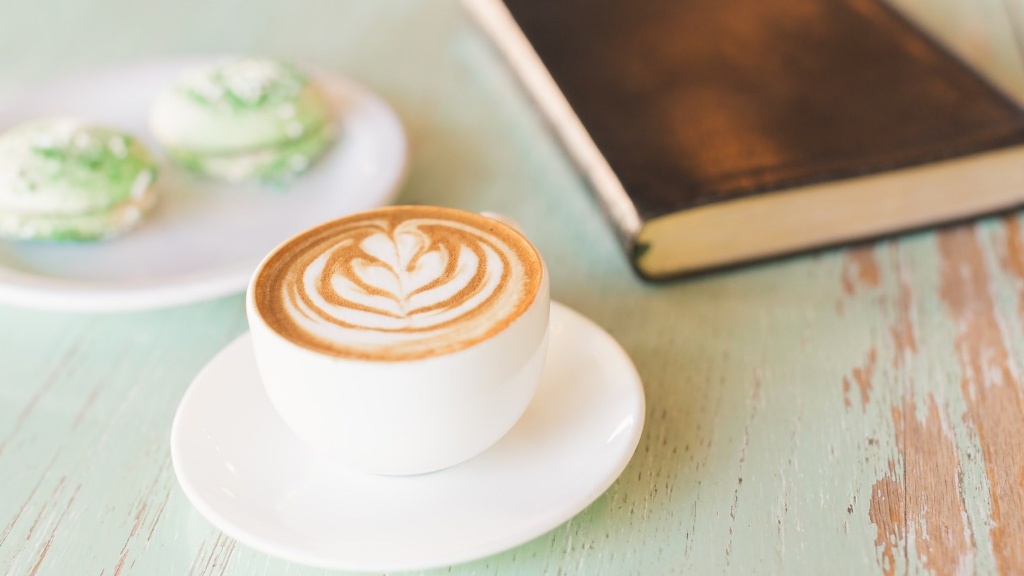
Excessive consumption of caffeine in any form, including coffee, can also cause dehydration. Dehydration can impair the body’s ability to properly regulate hormones, leading to an irregular period. Dehydration can also raise the body’s temperature, which can make periods more painful and difficult to bear. In addition, it may lead to the body retaining more water, resulting in bloating and water weight gain during a woman’s period.
The effects of caffeine on a woman’s period may also depend on her individual health status. Women with other underlying medical conditions, such as diabetes, may be more prone to the negative effects of excessive caffeine consumption. People with pre-existing conditions may have an especially hard time regulating the hormones in the body and may find that even one cup of coffee can throw off their cycle.
Women who consume excessive amounts of caffeine may find that their periods become more frequent, more painful, and interspersed with more days of spotting and irregular periods. Other side effects of heavy caffeine drinking can include headaches, low energy, irritability and bloating.
Experts do not agree on how coffee influences your period, however, most agree that if you are prone to having a heavy menstrual flow, drinking coffee in moderation can be beneficial. It is important to remember that all bodies are different and that different levels of caffeine can affect different people in different ways. It is important to listen to your body and understand what works best to keep your menstrual cycles regular and healthy.
How Excessive Caffeine Can Affect Period Symptoms

A woman’s menstrual cycle is an important indicator of her overall health and can be dramatically impacted by a number of different lifestyle factors. Caffeine, in particular, can have an effect on the hormones that govern the menstrual cycle and may lead to longer and more painful periods than usual. Over consumption of caffeine, including from drinking too much coffee, can cause symptoms such as headaches, low energy, bloating, irritability, and more frequent and painful menstrual periods. These are the body’s warning signals to reduce the level of caffeine intake.
How Can I Maintain My Period Regularity if I Drink Coffee?
It is possible to maintain a healthy menstrual cycle while consuming caffeine, as long as it is done in moderation. To maintain regular menstrual cycles and prevent menstrual cycle issues, it is recommended to limit caffeine intake to no more than two cups of coffee per day. To reduce bloating and discomfort during the menstrual period, it is important to stay hydrated and get plenty of rest. Additionally, it is important to eat a healthy and balanced diet, as this can contribute to the menstrual cycle balance.
What Are Some Alternatives to Caffeinated Coffee?
Switching regular coffee for decaf versions can still provide an energy pick-me-up, without the negative impacts on the menstrual cycle. Herbal teas can also be a good option if you are looking to reduce your caffeine intake. Green tea, chamomile, and peppermint tea are all energizing and beneficial in reducing the adverse effects of caffeine. Additionally, taking a multivitamin that contains minerals and vitamins can help to build up the body’s immune system and maintain balance in the monthly cycle.
How Does Caffeine Affect Periods for People With Underlying Medical Conditions?
people with underlying medical conditions, such as diabetes, may be more prone to the negative effects of excessive caffeine consumption. Those with pre-existing conditions may have an especially hard time regulating the hormones in the body and may find that even one cup of coffee can throw off their cycle. Underlying medical conditions can reduce the body’s ability to regulate hormones and may lead to more frequent and painful menstrual periods.
Precautions When Drinking Coffee During Your Period
Heavy consumption of caffeine can lead to abnormal menstrual cycles, and can make an already uncomfortable situation even worse. If you are prone to having heavy menstrual flow, it is important to be aware of the potential effects of drinking coffee and keep your consumption to a minimum. Additionally, drinking considerable amounts of coffee during your period can reduce your energy levels and cause fatigue.
Conclusion
Drinking coffee on a regular basis can have an effect on a woman’s period. It is important to be aware of the potential effects that caffeine can have on a woman’s hormonal balance. The effects of drinking coffee on a woman’s menstrual cycle vary from person to person and can be influenced by underlying medical conditions. By reducing caffeine intake and staying hydrated and well-rested, a woman can maintain a regular menstrual cycle and reduce symptoms related to her period.
