What is Decaf Coffee and Is It Good for Anxiety?
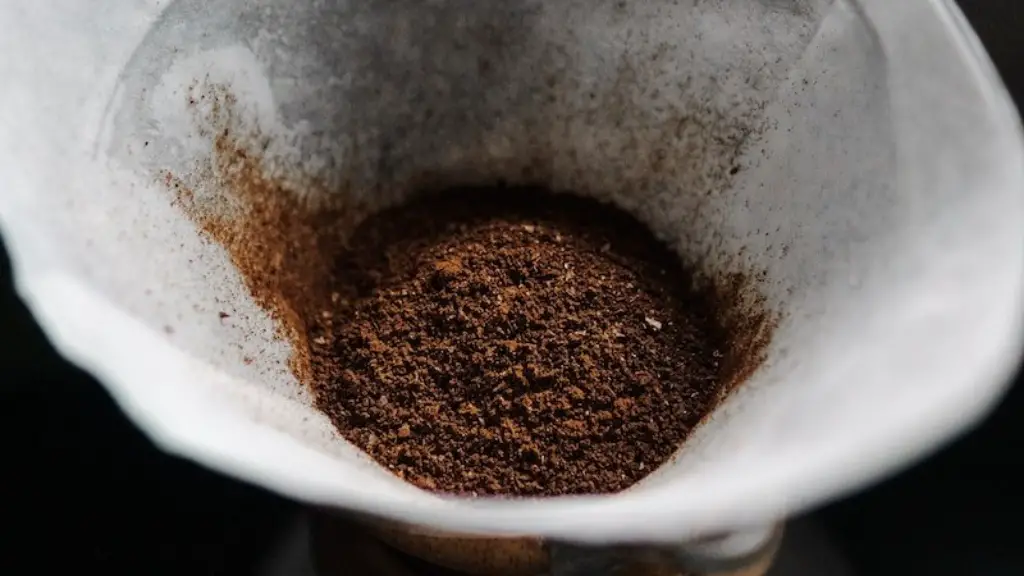
Decaf coffee is a type of specialty coffee that has been through a special process to reduce its caffeine content. The process typically involves washing the coffee beans with a solvent, like ethyl acetate, to remove the caffeine. Decaf coffee retains many of the same flavors, aromas and brewing qualities as traditional coffees, but with less than 0.5 percent caffeine content.
When it comes to mental health and stress, caffeine isn’t always such a great idea. In addition to increasing heart rate and blood pressure, caffeine can act as a stimulant, which can exacerbate anxiety issues. So, it would seem natural that drinking decaf coffee could potentially be beneficial to managing anxiety. But does the science support that idea?
The Benefits and Potential Downsides of Drinking Decaf Coffee for Stress
The jury is still out on whether decaf coffee can help reduce stress levels—there’s just not enough science to make a definitive statement. One small study did find that drinking decaf coffee had a calming effect on participants. In the study, 57 participants who normally don’t drink coffee consumed either decaf coffee or a placebo 50 minutes before completing a task designed to induce stress. Participants who had consumed the decaf coffee had significantly lower anxiety-related responses throughout the task.
In contrast, one study found that the participants who were frequent coffee drinkers and consumed decaf coffee had a greater anxiety response than participants who normally drank coffee, but had consumed the placebo instead. The study concluded that reduced daily caffeine intake may cause a sort of rebound effect in regular coffee drinkers and increase their anxiety levels.
The Role of Chronotypes
Chronotypes, or natural body rhythms, can also play a role in how caffeine affects you. Basically, we all experience an ebbing and flowing of energy throughout the day. For some, that peak energy happens in the morning, and for others, it may be the evening. This is because of our individual genetics, which dictate when we have natural periods of rest and activity.
Think of it like this: If you’re a morning person, you may experience a boost in energy and alertness when you drink coffee, even decaffeinated coffee. That boost can mimic some of the effects of caffeine and increase feelings of stress and anxiety. On the flip side, if you’re an evening person, you may find that decaf coffee gives you a needed boost in the morning that reduces anxiety and stress.
Finding the Right Balance
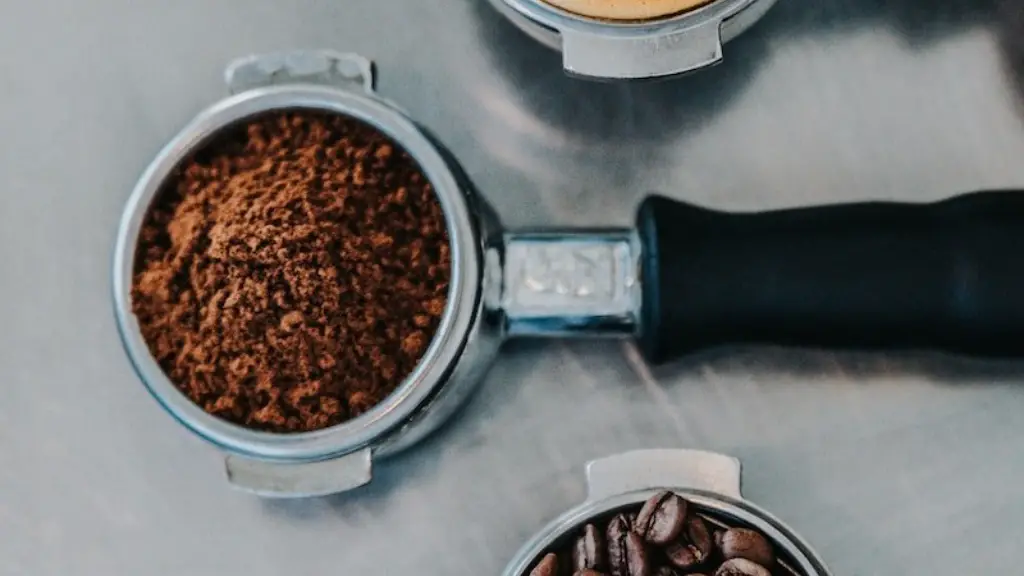
Overall, the key to finding the right balance of decaf coffee or caffeine to reduce anxiety and stress levels is to get to know your own body and its rhythm. If you find that you’re regularly feeling anxious, or your body is struggling to adapt to any changes to your normal coffee or caffeine consumption, taking a break can be beneficial. If you find that occasional decaf coffee helps you to reduce stress or seems to have a calming effect, then by all means, enjoy it as often as you’d like, as long as it is not interfering with your personal health goals or overall wellness.
Determining Caffeine Intake
Before making any adjustments to your coffee routine due to anxiety, it’s a good idea to measure your caffeine intake. On average, an 8-ounce cup of regular coffee contains around 95 milligrams of caffeine, while an 8-ounce cup of decaf coffee contains approximately 2 milligrams of caffeine, which is obviously a much lower dose. Most health organizations recommend limiting your caffeine intake to 400 milligrams per day at most.
Moreover, to truly reduce anxiety levels, consider eliminating caffeine altogether and consuming decaffeinated herbal tea instead. Herbal teas can be packed with antioxidants, vitamins and minerals and some studies suggest that they might help reduce anxiety and improve mental health.
Changing Habits and Mindset
Overall, the decision to reduce or eliminate caffeine from your diet is a very personal one, and it’s important to make sure that it fits into your lifestyle and habits in a manageable way. Making big changes to your lifestyle can be overwhelming, so start slowly and focus on making small changes that you can sustain.
Most importantly, know that treating anxiety isn’t just about changing your diet or lifestyle. It’s also important to educate yourself, learn more about how to cope with stressful situations and practice stress-relieving or mindfulness activities like yoga, mediation and taking relaxing baths.
Seeking Professional Help and Support
Finally, while experimenting with lifestyle changes is important, it’s also critical to seek professional help if you’re struggling with anxiety. Anxiety disorders are very treatable and can be managed with the right combination of therapies, medications and lifestyle changes, which can provide long-term relief. So, if your anxiety is becoming unmanageable, you can find helpful resources, support and treatment options through community centers and offices for health, mental health and wellness.
How to Reduce Stress and Anxiety without Coffee

When it comes to reducing stress, coffee isn’t the only answer. Here are some practical tips for cutting stress levels without reaching for a cup of coffee.
Prioritize Sleep for Stress Management
Getting a full night’s rest is important for managing stress levels and reducing anxiety. Try to avoid blue light from computer screens, cell phones and tablets an hour before bedtime, as it can disrupt your body’s natural rhythm. Keep your bedroom dark, quiet and comfortable and limit the number of screens in your bedroom, if possible.
Minimize Mental Overload
When it comes to reducing stress, minimizing mental overload can be hugely beneficial. This means taking regular breaks, saying “no” to extra projects and tasks, and avoiding multitasking. There’s also the option to practice a digital detox and limit or eliminate exposure to media and tech, or devices with email or messaging apps.
Find Healthy Ways to Relax
Making time for fun activities and hobbies can help reduce stress levels, boost self-esteem, and raise your happiness levels. Some examples include reading a good book, taking a leisurely walk, playing with a pet, doing yoga, painting, gardening, or joining a club.
Up Your Fitness Game

Exercise is a great way to manage stress and boost overall mental health and wellness. In addition to the physical benefits, regular exercise can also boost serotonin levels and reduce the hormones associated with stress, like cortisol. Research shows that just 30 minutes of moderate-intensity exercise on most days can significantly reduce anxiety.
Invest in Stress-Relieving Supplements
Some supplements can be beneficial for reducing stress and calming anxious feelings. For example, research suggests that supplementing with magnesium can help reduce stress levels and promote a healthy sleep-wake cycle. Herbal supplements like ashwagandha and kava root have also been shown to help. But, make sure to consult your doctor before starting any new supplement routine.
