
Does Starbucks Flavored Coffee Have Calories?
Over the years, flavored coffee has become increasingly popular among coffee enthusiasts, and there’s no denying that Starbucks is one of the most iconic coffee purveyors around. But as coffee connoisseurs have become more health conscious, they’ve begun wondering whether reading the nutritional label on a Starbucks flavored coffee is worth the effort. What exactly are the calorie and fat contents of a flavored coffee from Starbucks?
In order to accurately ascertain how many calories and grams of fat you’re consuming when you order a flavored coffee at Starbucks, you’ll need to take a few factors into consideration. The first factor to take into account is the type of milk you use in your drink. Whole milk contains more saturated fat and calories than low-fat or skim milk, and this difference can amount to dozens of extra calories. For instance, whole milk adds 50 calories and 2.5 grams of fat per 8-ounce cup, while skim milk adds 30 calories and 0.5 grams of fat.
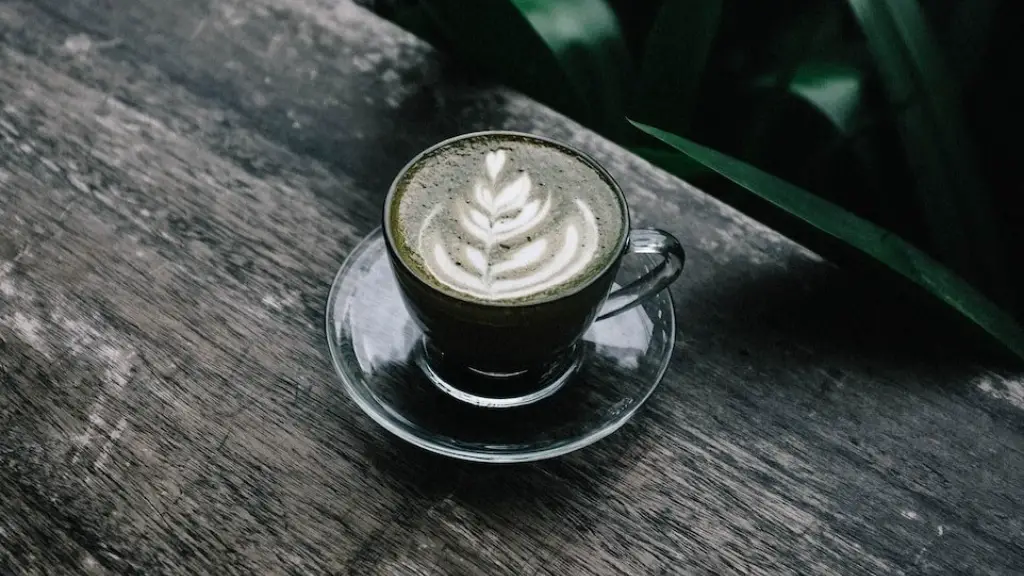
The next factor is the type of flavored syrup you choose to add to your coffee. Many flavored syrups are made primarily of sugar and are a source of calories, but the calorie count does vary from syrup to syrup. For instance, a single pump of caramel syrup adds 25 calories, whereas a single pump of mocha syrup adds 55 calories. Each shot of espresso in your coffee also adds 15 calories.
Simply put, Starbucks flavored coffee does contain calories, but relying solely on the nutritional label can lead to inaccuracy. A medium size Starbucks latte, for example, lists the calorie count at 190 calories per 16-ounce cup. However, this is based on the assumption that the latte is made with 2% milk, while substituting whole milk would add 50 additional calories. Meanwhile, substituting skim milk would save you 30 calories.
In conclusion, it’s important to remember that many of the flavored coffees available at Starbucks are essentially desserts in drink form and can contain quite a bit of calories. Be sure to use caution when ordering flavored coffees and always factor in what type of milk and syrup you’re using.
How Does Starbucks Flavor Coffee?
Have you ever wondered how Starbucks flavor their coffees? From frappuccinos to cold brews, and from latte to cappuccinos, the flavorings that make these drinks so unique are actually quite simple. Here we take a look at how Starbucks makes all of their flavored coffees.

Making sure that their flavored coffees match the taste their customers know and love is no easy feat. To ensure consistency, Starbucks follows a strict procedure for all of their flavored coffees. The first part of this process is acquiring the flavorings. According to Starbucks, they source ingredients like caramel and mocha from suppliers all over the world.
The next step is creating the syrups and powders that they use to flavor their coffees. Starbucks has teams of flavor experts who work to create new syrups and powders that can be used to develop new drinks. Many of their existing flavors are also tweaked and perfected to ensure consistent and delicious drinks.
Finally, the syrups and powders are used to make the drinks. All of this is done in controlled conditions to ensure consistency and quality across each and every drink. From the espresso machines that they use to the flavorings they add, every aspect of the process is taken into account to ensure each and every drink is as good as the last.
Overall, it’s clear that Starbucks takes great care when it comes to flavoring their coffees. From sourcing the best ingredients to using expert baristas, their process ensures that customers can always expect a delicious cup of coffee each and every time.
What Are the Benefits of Drinking Starbucks Coffee?

Although not every cup of coffee from a Starbucks contains calories, some of them do. However, there are also a number of benefits that come with drinking Starbucks coffee. For example, coffee can help to improve concentration and alertness. Coffee also contains certain antioxidants that can help protect the body against free radicals, which can damage cells.
Additionally, coffee has been linked to improved liver function. Coffee can also help reduce fatigue and may even have benefits for the heart, due to its ability to reduce inflammation. Lastly, coffee has been found to help protect against certain neurological diseases, like Parkinson’s and Alzheimer’s.
While coffee does contain caffeine, its benefits can outweigh the risks associated with consuming too much of it. To make sure you don’t overdo it on coffee, try to stay within the recommended 200-250mg of caffeine per day. This is the equivalent of two 8oz cups of coffee.
Overall, drinking coffee from Starbucks can offer a variety of health benefits that are worth considering. So while it is important to understand the potential impact of consuming too much caffeine or sugar, the health benefits of coffee can outweigh the risks in the right quantities.
What Is the Nutritional Content of Starbucks Cold Brew?

When it comes to Starbucks, one of the more popular coffee drinks is their cold brew coffee. This drink has become increasingly popular over the past few years, and for many coffee enthusiasts, it is the preferred way of drinking coffee. But what is the nutritional content of this particular drink?
A 16oz cup of Starbucks cold brew coffee contains 205 milligrams of caffeine, and no calories. The only sugars that this drink contains are from natural sources, such as the milk or cream that is added to the beverage. Additionally, it contains minimal amounts of sodium, potassium, and calcium.
A Starbucks cold brew with organic nutrient-rich milk is also a great way to increase your calcium and protein intake. An 8oz cup of this drink contains 10g of protein and 180mg of calcium, while a 16oz cup contains 20g of protein and 360mg of calcium. This makes it a great choice for those looking to fuel their body with quality nutrients.
Overall, Starbucks cold brew is a great choice for those looking to enjoy a cup of quality coffee while not having to worry too much about their health. The low caloric content, combined with the natural sugars and vitamins, make this a great choice for any coffee lover.
Does Starbucks Offer Decaf Coffee?

For many people, the only way to enjoy their morning cup of coffee is with a cup of decaf. Fortunately, Starbucks offers a variety of decaf coffees and espresso drinks for those who are looking for a low-caffeine option.
At Starbucks, their decaf selection includes all of their most popular coffee and espresso drinks, including brewed coffee, cappuccinos, lattes, and frappuccinos. The decaffeinated version of these drinks is made with ethically-sourced coffee beans that have been processed with decaffeinating agents.
In addition to providing a delicious cup of decaffeinated coffee, Starbucks sources their beans with the utmost care and attention. All of the coffee beans they use have been sourced from farms that have been certified by organizations such as Rainforest Alliance, Fairtrade, and C.A.F.E. Practices.
So whether you’re looking for a decaffeinated cup of coffee or an espresso, Starbucks offers a wide selection of decaf options for you to choose from. So for those looking for a coffee option without the caffeine, Starbucks is definitely the way to go.
How Does Caffeine Affect Cognitive Performance?
Caffeine is one of the most commonly consumed drugs in the world. It can give you a much needed boost of energy when you’re feeling sleepy or alert you when you need to stay focused. Although many people know the basics about caffeine, less is known about how it affects cognitive performance.
Studies have shown that caffeine can improve alertness, reduce fatigue, and enhance performance on tasks that require concentration. For example, a study conducted by the American Psychological Association found that consuming caffeine can improve accuracy on tasks that require attention span and speed. Furthermore, a study conducted by the University of Birmingham in the UK also found that caffeine was associated with improved short-term memory recall.
These findings suggest that caffeine can have a positive effect on cognitive performance, but it is important to note that there can be potential downsides as well. For instance, consuming too much caffeine can lead to headaches, nausea, and other uncomfortable side effects. It can also interfere with sleep, which is important for maintaining brain function.
Overall, it’s clear that caffeine can have an impact on cognitive performance – both positive and negative. To get the most out of a cup of coffee and benefit from its effects, it’s important to be mindful of how much caffeine you’re consuming and take into account any sensitivities you may have to caffeine.
