
Espresso: A Popular Choice
Coffee is one of the world’s most popular beverages, and it’s enjoyed in more ways than one. Whether it’s a white mocha, a latte, or simple black cup of espresso, people have a variety of options when it comes to enjoying their daily dose of caffeine. But how exactly do people drink coffee?
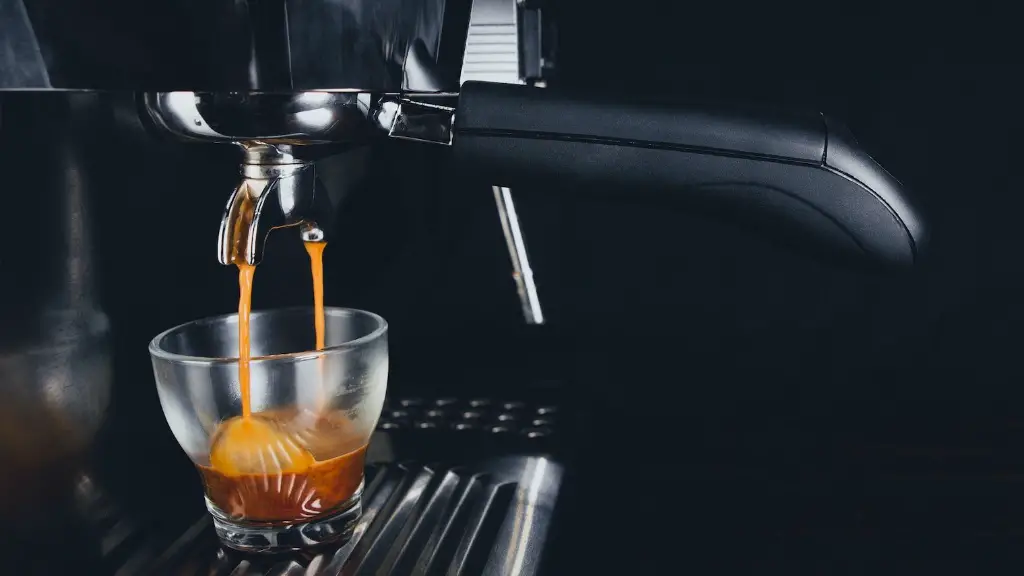
Espresso is perhaps one of the most popular methods of consuming coffee. It is made by pushing pressurised hot water through a finely ground coffee ‘puck’, resulting in a more concentrated caffeine boost than regular coffee. Espresso has developed a reputation for being quite intense, with a thick and flavorful crema – the dense layer of foam that forms on the surface of a cup of espresso.
Generally speaking, espresso is served in small quantities of one or two ounces, and is often enjoyed in combination with other drinks such as cappuccinos or lattes. These specialty drinks, comprised of espresso and foamed milk, have become a favourite of coffee lovers around the world. Cappuccinos are usually served with equal parts espresso and foamed milk, while lattes may contain twice as much foamed milk as espresso.
Another way to enjoy espresso is with an ‘affogato’ – a scoop of ice cream topped with a shot of espresso. This drink is particularly popular in the summer months, as it provides a refreshing yet still caffeinated treat.
Brewing With A Coffee Maker
Brewing coffee with a coffeemaker is another popular method of consuming the beverage. This method requires ground beans, which are placed in the filter basket in a coffeemaker, followed by hot water poured into the machine’s reservoir. The machine then ‘brews’ the coffee, which results in a much milder, richer, and smoother taste than espresso.
This method takes roughly 4-7 minutes to complete, and serves up a cup that is more hydrated than the concentrated espresso. As a result, this brewing process is more suitable for people who do not prefer a very strong and intense cup.
Brewed coffee also has more of a flavor profile than espresso, which has a more robust, deep taste. The brewing method extracts more flavours from the beans as compared to espresso, allowing people to enjoy a fuller-bodied cup of coffee.
Instant Coffee: The Advantages
Instant coffee is a third popular option for having your daily dose of caffeine. It has been around for many years and is typically made with roasted and ground coffee beans. It is then processed in a way that it can be dissolved in hot or cold water, which makes it particularly convenient for people who are always on the go.
Not only convenient, instant coffee also works out cheaper compared to other types of coffee. It also comes with preservatives, making it a longer-lasting option. People who like to travel light may find this type of coffee to be a great alternative for daily consumption.
The taste of instant coffee is milder than brewed coffee and espresso, making it suitable for those who do not prefer a bolder cup. However, it still contains a decent amount of caffeine, so it can serve as a good alternative when a quick coffee is needed.
Cold Coffee: All Year Round Refreshment
With the rise of coffee trends, cold coffee has become increasingly popular in recent years. Unlike hot coffee, cold coffee does not require a coffee maker or espresso machine. Instead, it is simply made by cold-brewing coffee grounds in cold water.
This brewing method produces coffee that has a less acidic flavour profile than coffee made via hot brewing methods. It is also much less bitter and overall smoother. Caffeine extraction during cold brewing is also slower and more gradual, resulting in a less intense version of coffee.
For those who prefer iced coffee, simple cold brew can be served over ice. However, it can also be enjoyed as iced latte or iced mocha, which require a mix of cold brew and milk – either dairy or non-dairy.
Making Coffee: Accessories And Kits
In order to make coffee from the comfort of your home, there are a few kits and accessories that could be very helpful. Coffeemakers, espresso machines, and cold brewers can all be quite useful for brewing coffee.
In addition, there is an array of accessories available for those who prefer to grind their own beans or try different brewing methods. A good burr grinder can make all the difference in the cup’s final flavour, as well as provide a great opportunity to experiment with different types of beans and grounds.
Accessories such as cold drippers, pour over cones, and filters are also great additions for those who want to try different brewing techniques. Along with the right accessories, having a good selection of specialty coffee beans can also be a great way to add some variety in each cup.
How Coffee Can Help – The Health Benefits
While it is easy to get addicted to coffee, it is worth noting that it can also be beneficial to health. For example, drinking a few cups of coffee a day can help improve focus and concentration.
Caffeine has a stimulatory effect on the body, making the user more alert and allowing them to focus better on their task at hand. A study conducted by the American Psychological Association has also found that caffeine can improve question-answering skills, reaction times, and memory.
Furthermore, moderate consumption of coffee can also reduce the risk of developing certain illnesses such as type 2 diabetes and certain types of cancer. Along with its benefits, drinking coffee in moderation can be an enjoyable way to stay healthy.
Trends: Third Wave Coffee And Beyond
In recent years, third-wave coffee has become an increasingly popular trend. This refers to the craft and artisanal side of coffee, where beans are carefully sourced, roasted, and prepared for consumption.
Third wave coffee can be enjoyed in a variety of ways such as with pour over, cold brew, and French press. It also often comes from specialist coffee shops that are run by passionate baristas, who take pride in the art of coffee preparation.
Third wave coffee has also brought forth the idea of manual brew bars, which are similar to traditional espresso bars but with a few differences. In manual brew bars, baristas often use alternative brewing methods such as pour-over and vacuum pot for a unique experience.
Sustainability: Coffee Farms and Growing Practices
The production of coffee beans can have a great impact on the environment, as a large number of forests have been destroyed due to coffee farming. As a result, some coffee makers, such as Starbucks, have been working on producing a more sustainable and environmentally-friendly version of their coffee.
This type of coffee is usually grown in a more sustainable manner, which often leads to a higher-quality cup. Specialty coffee makers such as Starbucks have also been involved in public initiatives and programmes that actively promote fair trade and more ethical growing practices.
These initiatives are designed to promote the idea of sustainability, protecting the environment from further destruction caused by the production of coffee. They also ensure that farmers receive fair wages for the beans they produce, helping them to build a better future for their families.
Alternative Coffees: Beetroot Latte And Matcha Latte
Apart from traditional coffee, people also have a growing interest in alternative coffee or plant-based coffee. A popular example of this is the beetroot latte – a combination of roasted beetroot powder, oats, and almond milk.
This type of coffee is becoming increasingly popular with coffee lovers due to its bright natural coloring, earthy flavour, and creamy texture. It also offers a milder caffeine boost and more health benefits, making it ideal for those who are looking for a healthier coffee option.
Matcha latte is another popular alternative to traditional coffee drinks. This type of coffee is made with matcha tea powder, which is usually blended with steamed milk, making it a treat perfect for a cold day.
Matcha latte offers a more subtle and mellow caffeine kick compared to regular coffee, making it a great option for those who are sensitive to traditional coffee’s strong effects.
Brewing Methods: French Press and Pour Over
In recent years, manual brewing methods such as French press and pour over have become increasingly popular for those looking for a more artisanal way to enjoy their coffee.
With both methods, coarsely ground coffee beans are placed in a container and then submerged in hot water. The French press method requires the grounds to sit at the bottom of a container as hot water is poured over them. This results in a full-bodied and bold cup of coffee.
For pour over, finer grade grounds are used, and hot water is poured slowly over them. This method is designed to extract more flavours from the coffee beans, resulting in a smoother coffee that is pleasant to drink.
Coffee Shops: Support Your Local Roaster
Going to a coffee shop is another popular way to enjoy coffee. Not only do coffee shops offer a more gourmet option when compared to regular coffees, they are also great places to socialise.
These days, many coffee shops have also started roasting their own beans. This means that no matter what type of coffee you drink at the shop, you can rest assured that it’s fresh and made with the highest quality beans and craftsmanship.
Supporting your local roaster can also be a great way to ensure that you are buying the best quality beans from a reliable source. Smaller roasters often provide great tasting coffee with unique and interesting flavour profiles, making them a great choice for those looking for something special.
